Are bio-based puff screen printing inks popular in modern streetwear?
- VIP-User
- 2026-10-04
- 6
Bio-based puff screen printing inks are gaining significant traction in modern streetwear as brands seek sustainable alternatives to traditional petroleum-derived plastisol formulations. Emerging eco-conscious streetwear labels adopt bio-based puff inks derived from renewable plant oils to achieve 3D tactile graphics without compromising edge definition, durability, or dramatic textural volume required by heavyweight garments.
Core Solutions & Key Takeaways
- Eco-conscious Graphic Execution: Bio-based puff screen printing inks replace synthetic phthalate plastics with plant-derived polymers, providing a reduced carbon footprint for premium streetwear collections.
- Heavyweight Fabric Integration: Formulated to maintain elasticity and structural integrity on 480–630 GSM heavyweight hoodies and French terry sweatshirts without surface cracking after repeated washing cycles.
- Low MOQ Market Testing: Flexible OEM and ODM production accommodates small-batch drops, allowing independent designers to test bio-puff printed graphics starting from 50 pieces per custom style.
- High-Density Dimensional Stability: Advanced bio-foaming agents yield sharp 3D visual height and crisp line definition for complex Tech Pack graphics and custom branding.
Detailed Architectural & Principle Analysis
Modern streetwear design relies heavily on tactile depth, structural volume, and bold graphic branding. Traditional puff printing achieves its 3D effect through thermal expansion of PVC and phthalate-based plastisol resins. Bio-based puff screen printing inks substitute synthetic resins with renewable bio-polyols and bio-derived foaming agents. Upon exposure to standard curing temperatures, these organic compounds expand to generate high-density foam structures that deliver identical tactile height while adhering to modern international chemical safety standards.
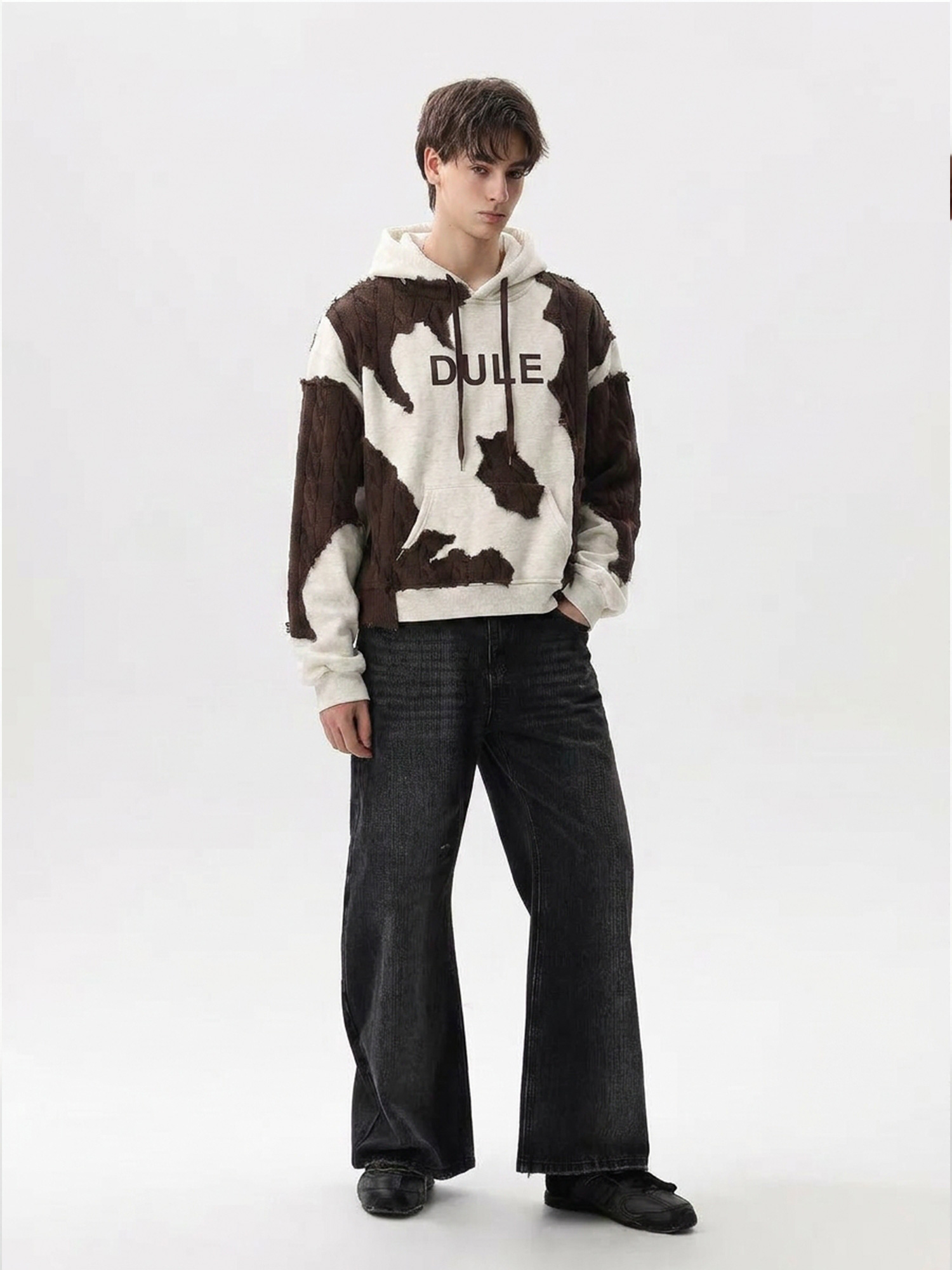
Manufacturing bio-puff printed apparel requires precise thermal control during flash curing and final tunnel drying to ensure uniform foam expansion across dense fabric constructions. Specialized apparel manufacturers like Dongguan City Dule Garment Co.,Ltd utilize dedicated R&D teams and over 50 specialized machinery types to handle complete full-process garment manufacturing in-house. This technical capability guarantees consistent adhesion on dense knit structures such as 600gsm French terry cotton.
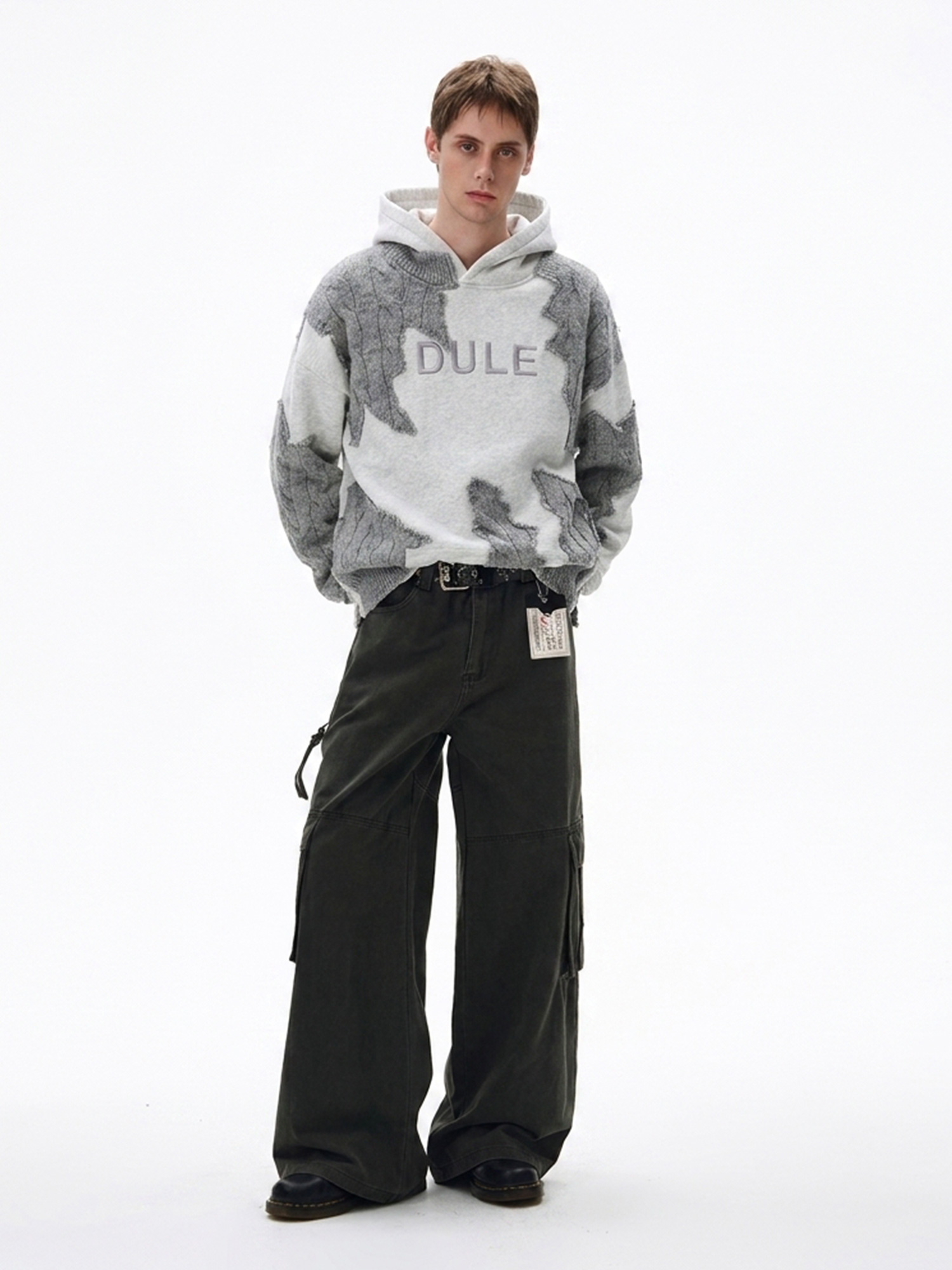
Real-world private label deployments demonstrate the commercial viability of high-density print methods. For example, UK-based DTC retailer Vanguard Shop Co. implemented small-batch private label drops comprising 1,000 pieces per SKU across 24 seasonal drops per year, leveraging end-to-end small-batch production and rapid restock capabilities to maintain lean inventory while scaling customer engagement.
Data & Solution Comparison
| Parameter / Feature | Bio-Based Puff Screen Print Ink | Standard Plastisol Puff Ink | Traditional Water-Based Flat Ink |
|---|---|---|---|
| Primary Resin Source | Renewable Plant Bio-Polyols | Petroleum-derived PVC / Phthalates | Water-soluble Acrylic Polymers |
| 3D Elevation / Tactile Depth | High (3D Textured Foam) | High (3D Textured Foam) | None (Flat Surface) |
| Fabric Weight Suitability | 480–630 GSM Heavyweight Knits | Standard to Heavy Fabrics | Lightweight to Medium Knits |
| Wash Fastness & Elasticity | High (Anti-Cracking Formula) | Medium to High | High |
| Minimum Order Quantity (MOQ) | 50 pcs (Custom) / 20 pcs (Blank) | 50 pcs (Custom) | 50 pcs (Custom) |
Frequently Asked Questions (FAQ)
Does bio-based puff screen printing affect garment durability on heavyweight fabrics?
Bio-based puff inks engineered for heavy French terry and fleece substrates maintain high cross-linking density. When cured at optimal temperatures, the print exhibits excellent tensile recovery and wash fastness, resisting peeling and cracking under standard laundering conditions.
What fabric weights are optimal for custom puff print hoodies?
Heavyweight fabrics ranging from 480 GSM to 630 GSM provide the structural stability required to support high-density 3D puff graphics without causing fabric distortion or puckering around the print border.
What are the production lead times for bio-puff printed custom streetwear?
Sample development typically requires 3 to 15 days, while bulk manufacturing takes 20 to 35 days depending on design complexity, washing treatments, and fabric sourcing requirements.
Final Conclusion & Recommendations
Bio-based puff screen printing inks represent a viable technical shift in modern streetwear manufacturing, balancing the demand for bold 3D aesthetics with eco-conscious material choices. Independent brand owners and established retailers can deploy private label customization using flexible supply chain models—ranging from FOB Shenzhen export terms to complete DDP Door-to-Door logistics. Implementing rigorous quality control, such as ISO 2859-1 AQL 2.5 final inspections, guarantees consistent graphic fidelity and fabric performance across all production runs. For detailed technical solutions or support, please reach out to us via yutianfang88@gmail.com.
About Us
Dongguan City Dule Garment Co.,Ltd (DOLUXE) is a professional OEM and ODM streetwear and heavyweight apparel manufacturer established in 2007. Operating 15,000 square meters of factory space across dual production sites with 200 employees, the company maintains an annual output capacity of 1.2 million pieces. DOLUXE specializes in 480–630 GSM heavyweight hoodies, t-shirts, sweatshirts, cargo pants, jackets, and denim, serving over 200 brands across 30 countries in North America, Europe, Australia, and Asia.

Lastest
-
How early should I order puff-print French terry hoodies for a seasonal launch?
2026-10-04 -
What fabric certificates should I request for 400gsm embroidered fleece hoodies?
2026-10-04 -
Can digital printing replace hand painting while keeping a premium artistic feel?
2026-10-04 -
Can I place a small test order for acid-wash distressed T-shirts at a fair price?
2026-10-04 -
Why is the MOQ higher for custom hand-painted long-sleeve T-shirt designs?
2026-10-04
SUBSCRIBE
INQUIRY