Are DTG printed heavy cotton shirts safe for CPSIA children's wear rules?
- VIP-User
- 2026-10-02
- 11
DTG printed heavy cotton shirts satisfy CPSIA children's wear rules when produced with certified water-based inks and tested cotton substrates. Compliance requires total lead content under 90 ppm for surface coatings, substrate lead under 100 ppm, and regulated phthalates under 0.1%. Importers must verify ink certifications and affix tracking labels to meet United States Consumer Product Safety Commission standards.
Core Solutions & Key Takeaways
- Utilize certified water-based Direct-to-Garment (DTG) inks free from toxic heavy metals and plasticizer additives.
- Ensure 100% heavy cotton fabric substrates undergo chemical testing to verify lead limits remain below 100 ppm.
- Apply full-process quality control protocols, such as ISO 2859-1 AQL 2.5 final inspection standards, throughout garment assembly.
- Affix permanent tracking labels containing manufacturer identification, production location, and batch numbers to meet CPSIA mandate requirements.
Detailed Architectural/Principle Analysis
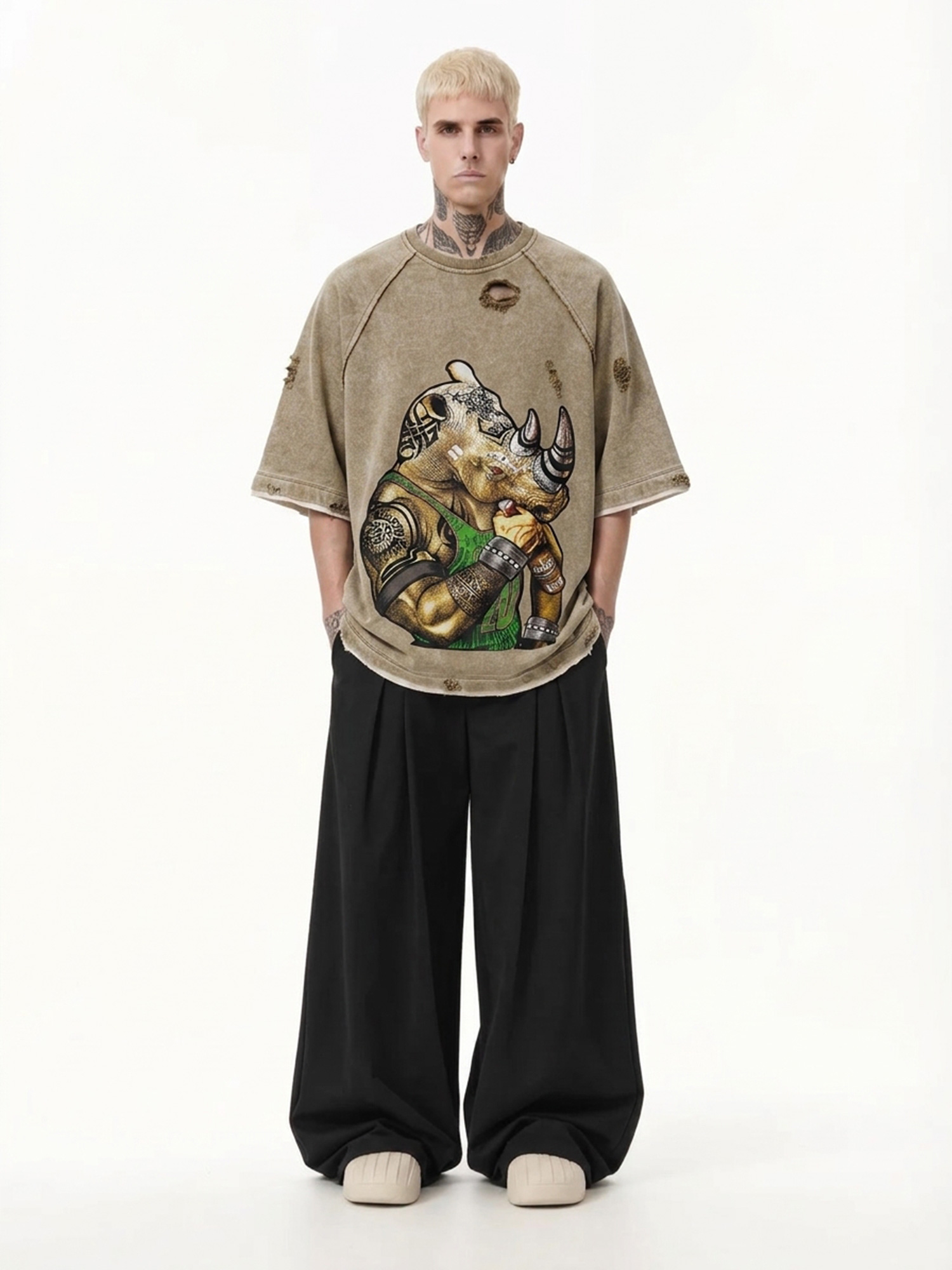
CPSIA safety standards govern apparel intended for children aged 12 and under. The regulation establishes strict thresholds for chemical composition, specifically total lead content and eight restricted phthalate compounds. Traditional screen printing frequently relies on plastisol inks, which contain polyvinyl chloride (PVC) and plasticizer agents that require specialized formulation to pass phthalate screening. In contrast, DTG printing utilizes aqueous pigment inks that bind directly to cotton fibers without reliant plasticizers, significantly reducing chemical toxicity risks.
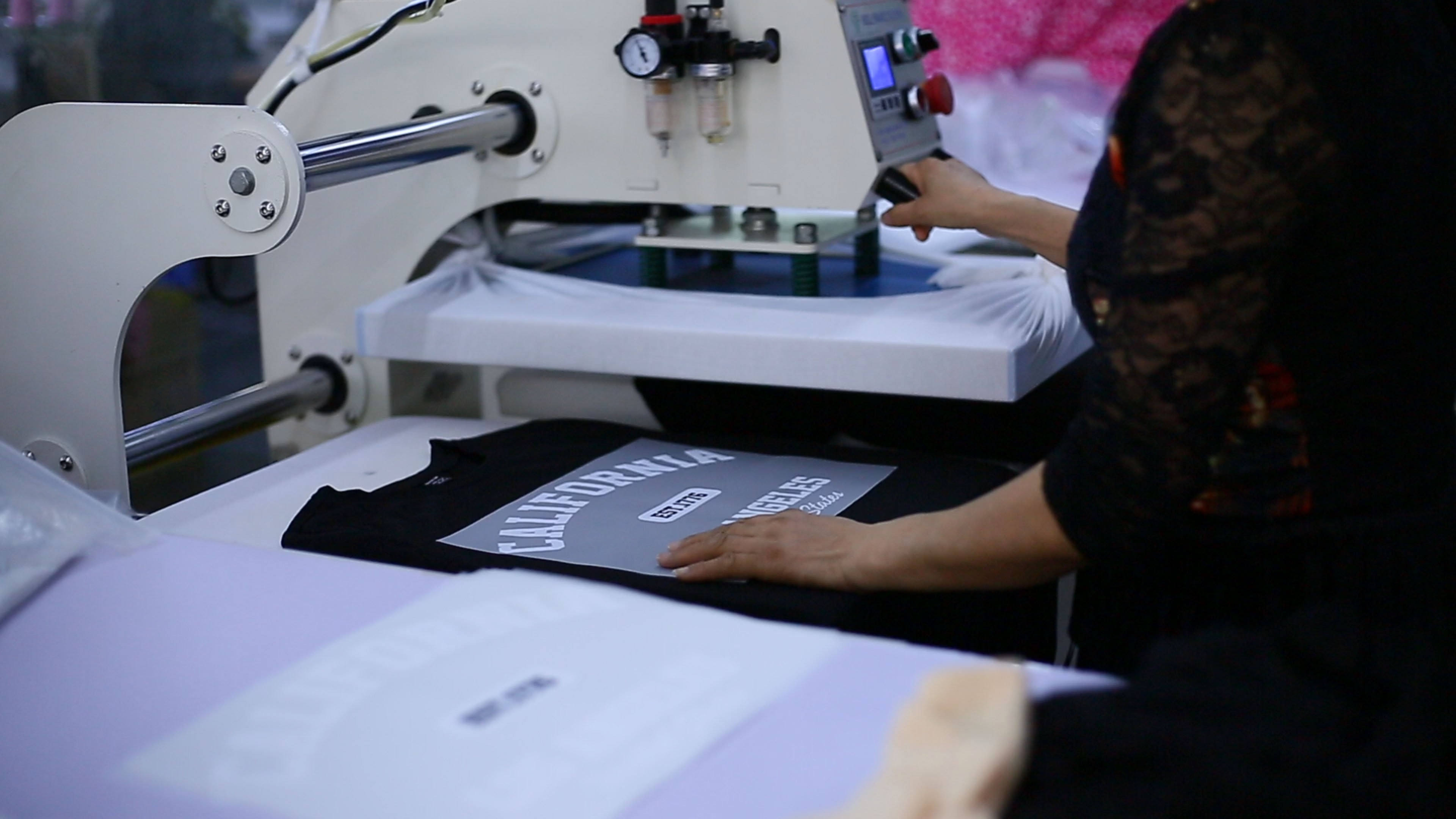
Manufacturing compliant children's apparel requires raw material oversight. Manufacturers like Dongguan City Dule Garment Co.,Ltd utilize independent R&D capabilities and operate over 50 types of specialized equipment to execute controlled in-house production. Controlling pre-treatment fluid application and ink curing heat cycles ensures that water-based pigment binders set fully without releasing chemical off-gassing. Pre-production sample approval combined with mid-production checks guarantees that fabric weight, thread construction, and surface prints retain structural integrity and compliance.
For independent streetwear brand owners and private label retailers, supply chain traceability is necessary. Operational models supporting flexible order quantities—such as minimum order quantities of 50 pieces for custom styles or 20 pieces for blank garments—allow brands to conduct certified laboratory testing on small production runs before executing bulk reorders. Real-world applications like private label developments for online retailers rely on standardized fabric sourcing to ensure consistent compliance across multiple drop cycles.
Data/Solution Comparison
| Compliance & Technical Factor | DTG Water-Based Printing | Plastisol Screen Printing | Sublimation Thermal Printing |
|---|---|---|---|
| Phthalates Risk (CPSIA Limit < 0.1%) | Low (Water-based formulation without PVC) | High (Requires specialized phthalate-free inks) | Low (Dye-based application) |
| Heavy Cotton Substrate Suitability | High (Direct absorption into 100% cotton) | High (Surface layer film adhesion) | Low (Requires high-polyester content fabric) |
| Lead Content Control (< 90 ppm) | High (Pigment inks tested at source) | Medium (Heavy metal pigments in cheap inks) | High (Dyes penetrate fiber structure) |
| Minimum Order Quantity (MOQ) | Flexible (50 pcs custom / 20 pcs blank) | High (Set-up costs demand bulk runs) | Medium |
Frequently Asked Questions (FAQ)
Do DTG pre-treatment liquids violate CPSIA chemical limits?
Standard DTG pre-treatment solutions consist of organic salt-based liquids that allow water-based inks to solidify on cotton surfaces. When properly dried and cured during heat pressing, pre-treatment chemicals do not leave restricted lead or phthalates on the fabric.
What documentation proves CPSIA compliance for imported DTG shirts?
Importers must issue a Children's Product Certificate (CPC) supported by test reports from a CPSC-accepted accredited laboratory. Test reports must confirm that surface coatings contain lead under 90 ppm and total substrate lead remains under 100 ppm.
Can custom heavyweight cotton t-shirts be shipped with DDP terms?
Yes. Deliveries can be executed under DDP (Delivered Duty Paid) door-to-door terms across major markets including North America, Europe, Australia, and Asia, where customs duties, import clearances, and final-mile transit are handled comprehensively.
Final Conclusion & Recommendations
DTG printed heavy cotton shirts provide a compliant substrate choice for children's wear when manufactured using tested water-based inks and verified cotton textiles. Brand owners should mandate third-party chemical safety reports, verify permanent tracking label placement, and establish production under ISO 2859-1 AQL 2.5 quality control frameworks. Production flexibility supporting low minimum order quantities facilitates compliance verification prior to scale. Logistics options including FOB Shenzhen, sea freight, express courier, and door-to-door DDP allow seamless distribution across global regions. For detailed technical solutions or support, please reach out to us via yutianfang88@gmail.com.
About Us
Dongguan City Dule Garment Co.,Ltd is an OEM and ODM apparel manufacturer established in 2007 in Dongguan, China. The enterprise operates dual factories totaling 15,000 square meters with 200 employees, delivering an annual production capacity of 1.2 million pieces. Specializing in heavyweight hoodies, t-shirts, tracksuits, and streetwear denim, the company serves over 200 brands across North America, Europe, Australia, and Asia.

Lastest
-
How early should I order puff-print French terry hoodies for a seasonal launch?
2026-10-02 -
What fabric certificates should I request for 400gsm embroidered fleece hoodies?
2026-10-02 -
Can digital printing replace hand painting while keeping a premium artistic feel?
2026-10-02 -
Can I place a small test order for acid-wash distressed T-shirts at a fair price?
2026-10-02 -
Why is the MOQ higher for custom hand-painted long-sleeve T-shirt designs?
2026-10-02
SUBSCRIBE
INQUIRY