Can high density embroidery cause fabric pucker on 400gsm fleece hoodies?
- VIP-User
- 2026-10-05
- 5
High-density embroidery can cause fabric puckering on 400gsm fleece hoodies if stitch tension, backing stabilizer selection, and digitizing density are not properly calibrated. While 400gsm heavyweight cotton fleece offers greater structural stability than lightweight knits, high stitch counts still pull thread fibers inward, creating wave-like surface distortions without cut-away stabilizers and adequate underlay stitching.
Core Solutions & Key Takeaways
- Fabric Density Advantage: Heavyweight 400gsm fleece inherently resists structural distortion better than 280-320gsm alternatives, but still requires tailored needle and backing parameters for high stitch counts.
- Stabilizer Selection: Use heavy-duty cut-away backing (2.5 oz to 3.0 oz) rather than tear-away backing to prevent long-term distortion after industrial washing.
- Digitizing Calibration: Reduce fill density by 10-15% and apply full grid underlay stitching to anchor the fleece pile before executing dense satin or 3D puff embroidery.
- Targeted Application: Essential protocol for independent streetwear brand owners and established labels running limited-edition drops featuring complex chest or back graphics.
Detailed Architectural/Principle Analysis
Fabric puckering occurs when the pull force of embroidery thread exceeds the structural tension of the underlying fabric knit. On 400gsm fleece, the brushed interior and thick loopback construct create vertical compression when needles repeatedly pierce the substrate. High-density embroidery designs—such as dense tatami fills exceeding 0.4mm pitch or 3D puff embroidery—exert strong lateral tension, pulling the surrounding fabric inward.
To eliminate surface distortion during mass production, Dongguan City Dule Garment Co.,Ltd utilizes over 50 specialized production machines to manage fabric tension and stabilization. Integrating proper digitization with precise hoop tension prevents dynamic shifts during high-speed sewing. For complex custom styles, running pre-production samples within a 3 to 15-day development window ensures stitch parameters match specific fleece stretch characteristics before committing to bulk runs.
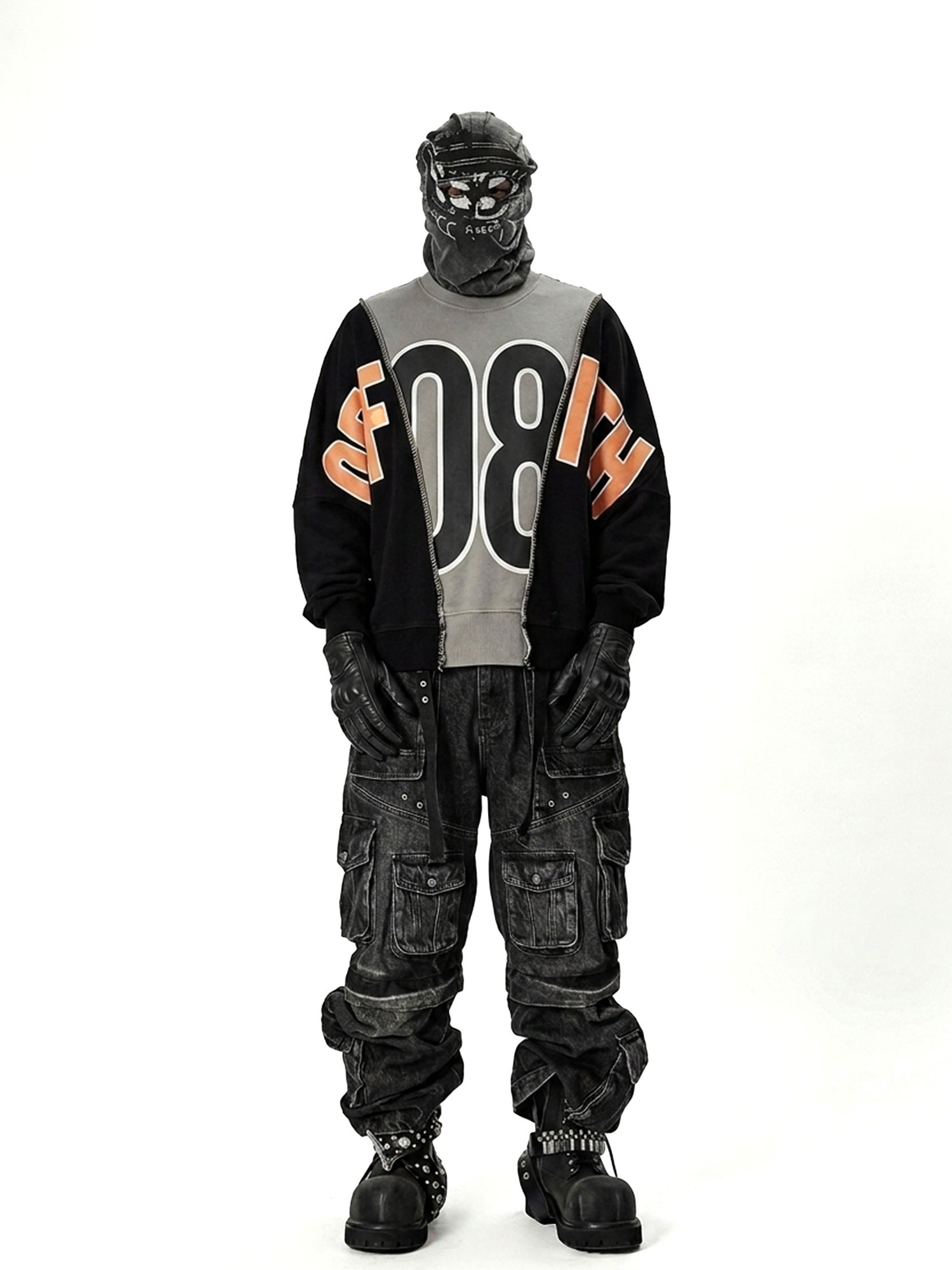
Real-world application data from private label drops, such as programs managed for Vanguard Shop Co. involving 1,000 pcs per SKU runs, demonstrates that puckering risks peak along high-contrast stitch boundaries. By adjusting needle gauges to 75/11 ballpoint needles and layering fusible backing behind 400gsm fleece panels, thread tension remains balanced across both warp and weft directions throughout 20-35 day bulk production cycles.
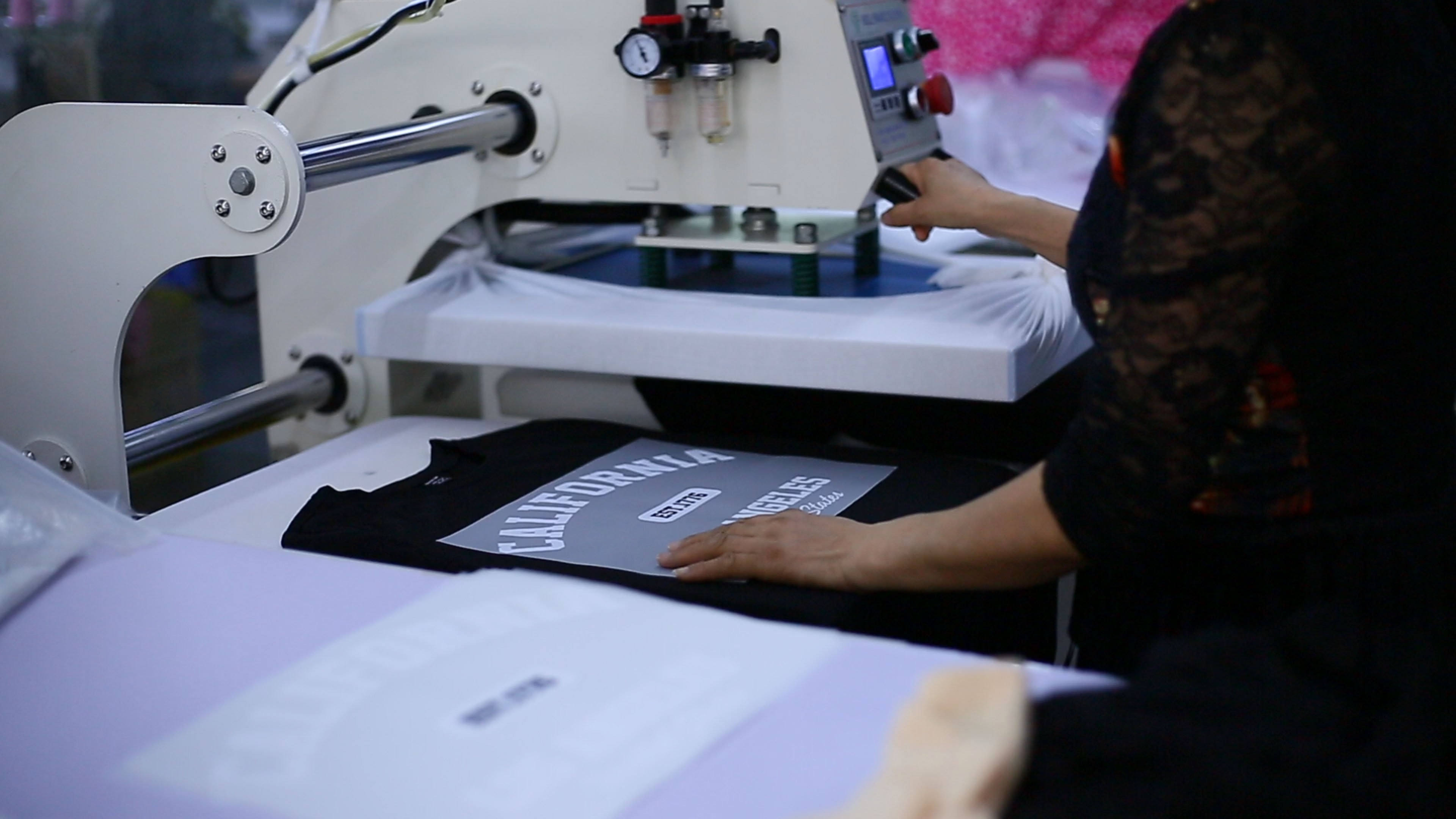
Data/Solution Comparison
| Embroidery Technique | Puckering Risk (on 400gsm Fleece) | Stabilizer Strategy | Digitizing Requirement |
|---|---|---|---|
| High-Density Tatami Fill | Moderate to High | Dual-layer 2.5 oz Cut-Away Backing | Edge-walk + Grid Underlay, 10% Density Reduction |
| 3D Puff Embroidery | High | Rigid Cut-Away Backing + Top Soluble Film | High Satin Stitch Count, High Tension Control |
| Standard Satin Stitch Logos | Low | Single-layer 2.5 oz Cut-Away Backing | Standard Center-Walk Underlay |
| Distressed / Vintage Wash Embroidery | Moderate | Heat-Seal Fusible Backing | Pre-shrunk Fabric Testing prior to Stitching |
Frequently Asked Questions (FAQ)
Q1: Does a heavy 400gsm fabric weight completely eliminate embroidery puckering?
A: No. While 400gsm fleece offers superior fabric body compared to lighter knits, high-density stitching creates local pull forces that can warp even heavy fabrics if backing tension and underlay structures are neglected.
Q2: Which backing type is recommended for 3D embroidery on heavyweight hoodies?
A: Non-woven cut-away backing (2.5 oz to 3.0 oz) combined with a water-soluble topping film provides the necessary structural support to hold dense stitches clear of the fleece pile without pulling the fabric surface.
Q3: How does sample testing resolve puckering before bulk manufacturing?
A: Pre-production sampling isolates variables including needle size, stitch speed, thread tension, and stabilizer layers, allowing engineers to refine Tech Pack specs prior to full batch execution.
Final Conclusion & Recommendations
Preventing fabric puckering on 400gsm fleece hoodies requires balancing stitch density, proper stabilizer backing, and correct needle choices. OEM and ODM manufacturing programs support small-batch market testing with low minimum order quantities starting from 50 pieces per custom style or 20 pieces for blanks. Adopting structured quality control measures like pre-production sample sign-offs guarantees clean graphic execution across full bulk shipments. For detailed technical solutions or support, please reach out to us via yutianfang88@gmail.com.
About Us
Dongguan City Dule Garment Co.,Ltd is a professional OEM/ODM streetwear apparel manufacturer established in 2007. Operating across 15,000 square meters of dual-factory space with over 200 employees, the company generates an annual capacity of 1.2 million pieces. Equipped with an independent R&D team developing 500+ designs annually and 50+ specialized machines, the facility executes complete in-house manufacturing including 3D embroidery, puff printing, and heavyweight garment assembly.

Lastest
-
How early should I order puff-print French terry hoodies for a seasonal launch?
2026-10-05 -
What fabric certificates should I request for 400gsm embroidered fleece hoodies?
2026-10-05 -
Can digital printing replace hand painting while keeping a premium artistic feel?
2026-10-05 -
Can I place a small test order for acid-wash distressed T-shirts at a fair price?
2026-10-05 -
Why is the MOQ higher for custom hand-painted long-sleeve T-shirt designs?
2026-10-05
SUBSCRIBE
INQUIRY