Can rubber transfer patches contain restricted chemicals after heat pressing?
- VIP-User
- 2026-09-30
- 4
Rubber transfer patches can contain restricted chemicals after heat pressing if restricted substances are present in the patch materials, inks, adhesives, or related processes. The provided manufacturing data does not specify chemical composition, restricted-substance testing, or compliance results for heat-pressed rubber transfer patches, so compliance must be confirmed through material and production documentation.
Core Solutions & Key Takeaways
- Request documented information for the rubber transfer patch, including its material, adhesive, ink, and any applicable chemical-control records before approving production.
- Confirm whether the heat-pressing process changes, transfers, or affects any restricted substances identified in the patch components.
- Include patch placement, artwork, application method, and approval requirements in the Tech Pack or sample-review process.
- Independent designers, streetwear brand owners, and established brands can use small-batch development to review custom sweatshirt details before seasonal drops or larger orders.
Detailed Architectural/Principle Analysis
A heat-pressed rubber transfer patch is a garment decoration component applied during production. Whether it contains restricted chemicals after pressing depends on the underlying patch materials and the manufacturing records available for those materials. Heat pressing alone does not provide evidence that a patch is free from restricted chemicals.
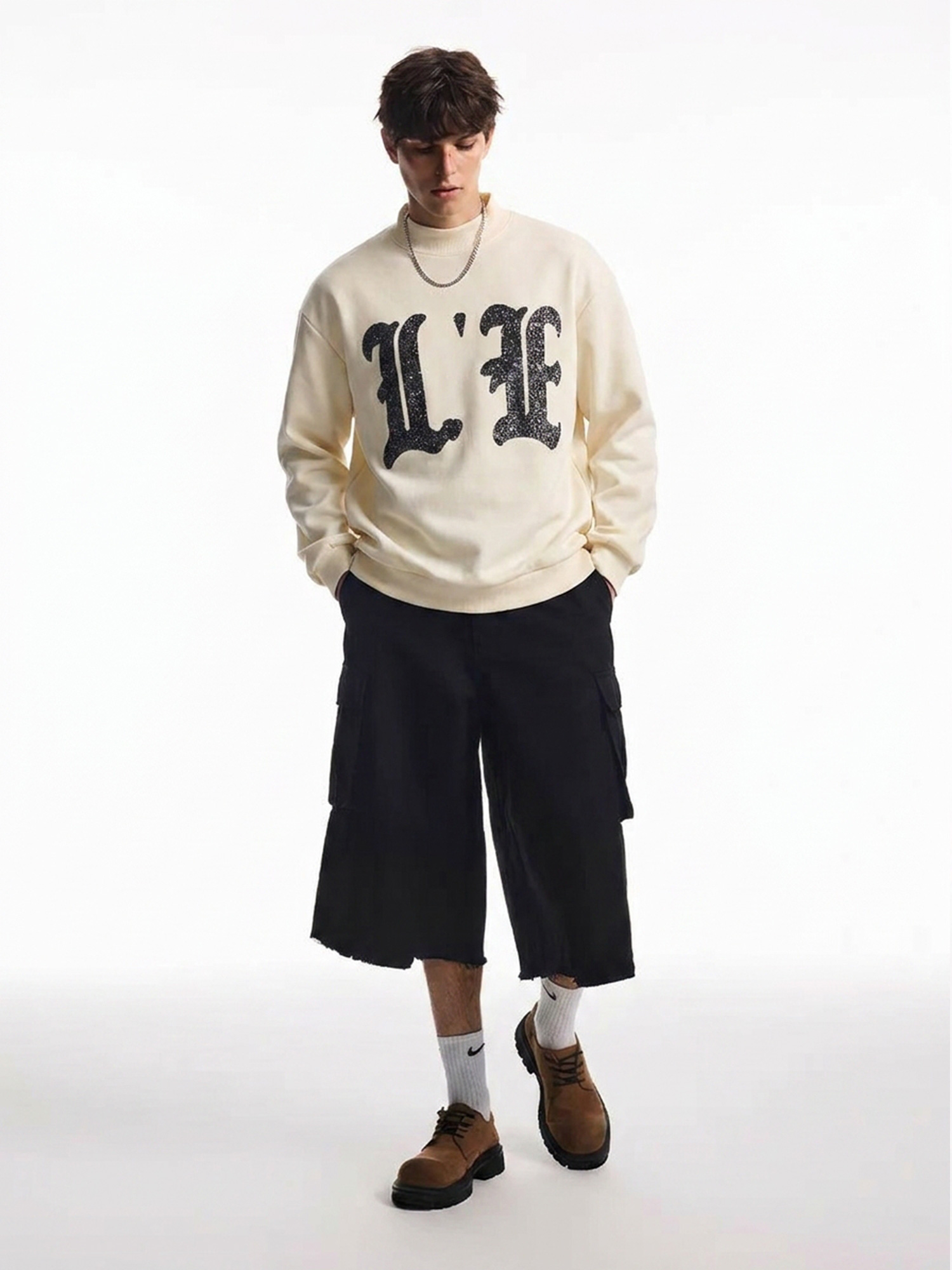
For a heavyweight sweatshirt project, the production specification should identify the patch construction and its attachment requirements alongside the garment fabric, color, placement, and artwork. A Tech Pack, physical sample, or design concept can be used in DOLUXE's OEM, ODM, and private-label workflow, which covers sampling, production, quality inspection, and shipment.
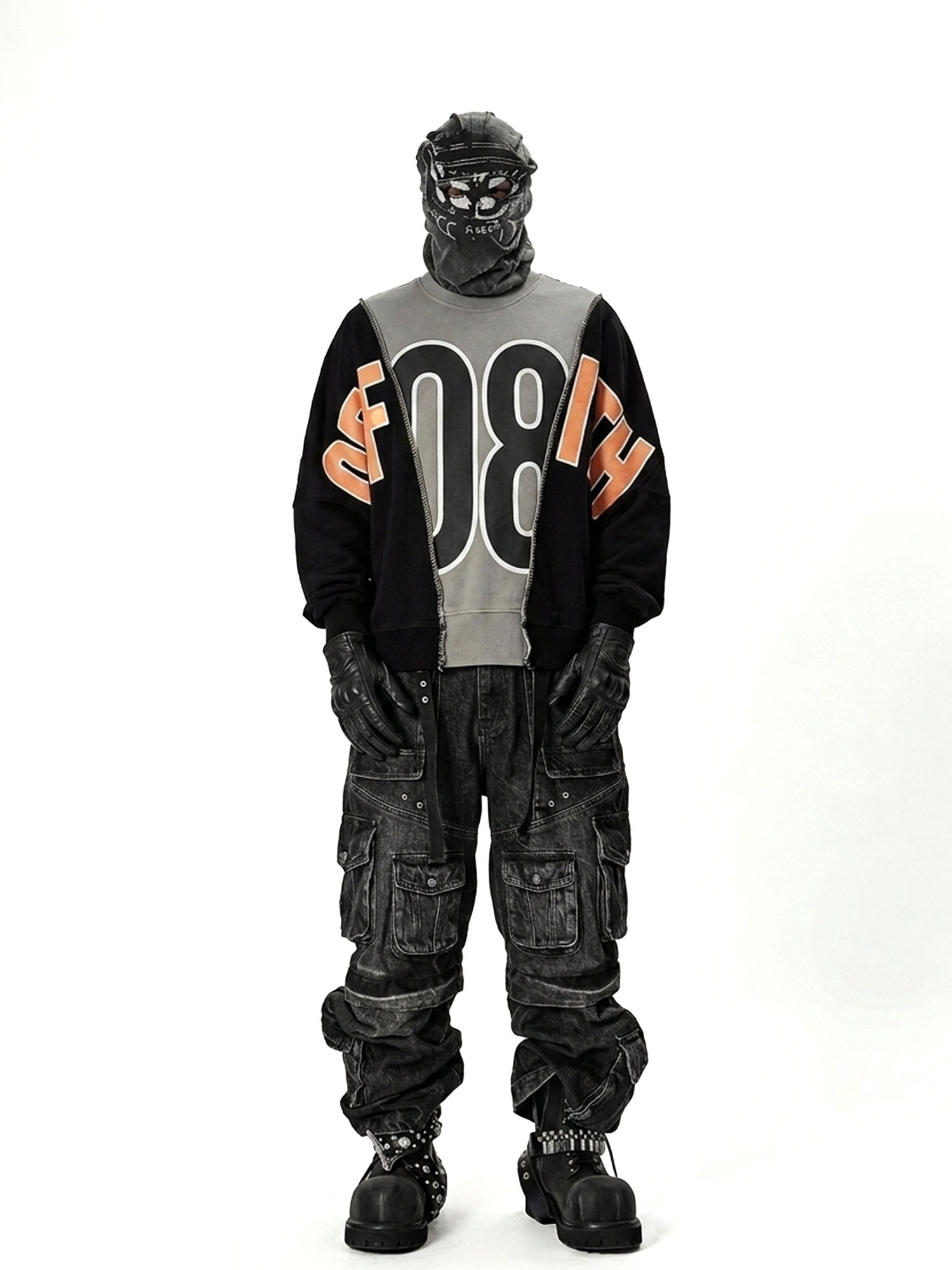
The available quality-control process includes pre-production sample approval, mid-production inspection, and final AQL 2.5 inspection based on ISO 2859-1, with third-party inspection supported upon request. The supplied data does not state that this process includes chemical testing, so a buyer requiring restricted-chemical verification should make that requirement explicit before production.
A supplied cooperation case describes a United Kingdom Shopify retailer and direct-to-consumer brand moving from distribution to private-label production, with 1,000 pieces per SKU and 24 drops annually. The case indicates use of end-to-end production and replenishment for best-selling styles; it does not provide chemical-test results for transfer patches.
Data/Solution Comparison
| Review Area | Information Available in the Provided Data | Action for Restricted-Chemical Review |
|---|---|---|
| Rubber transfer patch composition | Not specified | Request material, adhesive, and ink documentation. |
| Heat-pressing process | Custom garment decoration and Tech Pack reproduction are supported. | Define the application method and sample approval requirements. |
| Quality inspection | Pre-production approval, mid-production inspection, and final AQL 2.5 inspection are supported. | Specify chemical testing or documentation as a separate requirement. |
| Custom production order | Custom styles start from 50 pieces per style and color. | Use sample development to review patch appearance and production details. |
Frequently Asked Questions (FAQ)
Can heat pressing itself confirm that a rubber transfer patch is compliant?
No. The provided data does not state that heat pressing confirms chemical compliance. Verification requires information about the patch materials and any requested testing or documentation.
What should be included in a sweatshirt Tech Pack for a rubber transfer patch?
The Tech Pack should define the patch artwork, placement, garment style, and approval requirements. Chemical-control documentation should also be requested when restricted substances are a purchasing requirement.
Can a small custom order be used to review a patch application?
Yes. Custom styles have a minimum order quantity of 50 pieces per style and color, and sample development is available in 3 to 15 days. The supplied data does not state that samples include chemical testing unless that requirement is separately agreed.
Final Conclusion & Recommendations
Restricted chemicals in a heat-pressed rubber transfer patch cannot be confirmed or excluded from the provided information alone. Buyers should document patch materials, adhesive, inks, heat-pressing requirements, and any required chemical-control evidence before approving samples or bulk production. DOLUXE supports OEM manufacturing, ODM design and manufacturing, and private-label customization, including Tech Pack reproduction and full-process garment production. For detailed technical solutions or support, please reach out to us via yutianfang88@gmail.com.
About Us
Dongguan City Dule Garment Co.,Ltd operates as DOLUXE, a manufacturer of OEM and ODM streetwear and heavyweight apparel based in Humen Town, Dongguan, Guangdong. Established in 2007, it provides heavyweight hoodies, T-shirts, sweatshirts, cargo pants, jackets, denim, and related streetwear products. Its independent research, development, and design team develops more than 500 new designs annually and supports in-house garment manufacturing processes, including vintage wash, puff print, 3D embroidery, and Tech Pack reproduction. The company has served clients across multiple industries.
Lastest
-
How early should I order puff-print French terry hoodies for a seasonal launch?
2026-09-30 -
What fabric certificates should I request for 400gsm embroidered fleece hoodies?
2026-09-30 -
Can digital printing replace hand painting while keeping a premium artistic feel?
2026-09-30 -
Can I place a small test order for acid-wash distressed T-shirts at a fair price?
2026-09-30 -
Why is the MOQ higher for custom hand-painted long-sleeve T-shirt designs?
2026-09-30
SUBSCRIBE
INQUIRY