How accurate is the garment wash effect on samples versus mass production?
- VIP-User
- 2026-10-01
- 7
Garment wash accuracy between samples and mass production typically achieves a 90% to 95% match when executed under controlled industrial parameters. Minor shade variations occur due to bath ratio differences between sample liquor vessels and commercial washing machines. Standardized recipe scaling, strict fabric batching, and mid-production quality checks ensure batch-to-batch consistency across OEM ODM heavyweight cotton t-shirt production runs.
Core Solutions & Key Takeaways
- Standardized Liquor Ratios: Maintaining identical chemical concentration ratios between sample wash machines and mass production drums minimizes color and texture drift.
- Fabric Lot Locking: Sourcing bulk cotton fabric from the same dye lot used during sample development prevents differential dye absorption during acid or vintage washing.
- Structured Pre-Production Approval: Approving strike-off samples and pre-production samples (PPS) sets clear visual and physical tolerance limits prior to full-scale manufacturing.
- Flexible Small-Batch Validation: Starting with low minimum order quantities (MOQ of 50 pieces per custom style) allows independent designer brands to test wash effects before scaling to high-volume orders.
Detailed Architectural & Principle Analysis
Achieving high wash consistency between individual sample garments and bulk production requires precise chemical control and mechanical standardization. In custom apparel manufacturing executed by Dongguan City Dule Garment Co.,Ltd, vintage wash, enzyme wash, and garment dyeing processes rely on controlled wash cycles to replicate the hand-feel and abrasion patterns established during R&D sampling. Operating 50+ types of equipment across fully integrated production lines allows direct calibration from sample wash drums to heavy-duty industrial washing machinery.
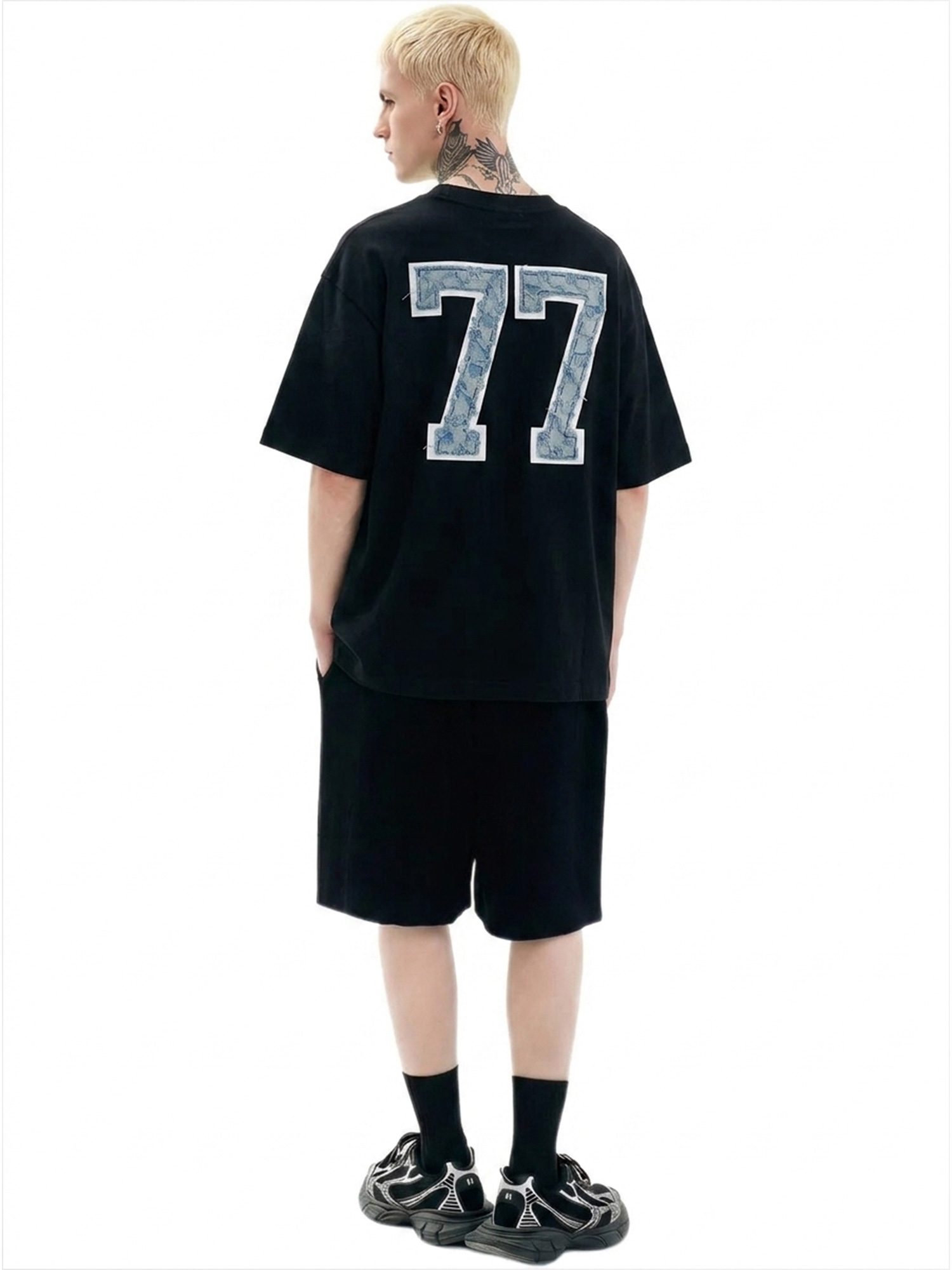
The primary technical challenge stems from the scale differential. A 1-piece sample wash uses low mechanical friction and precise water volume, whereas a 1,000-piece bulk wash creates higher garment-to-garment friction and thermal retention. To bridge this gap, technical teams apply a standardized formula scale factor, adjusting enzyme concentrations, stone-wash cycle durations, and water temperatures based on total fabric weight in kilograms.
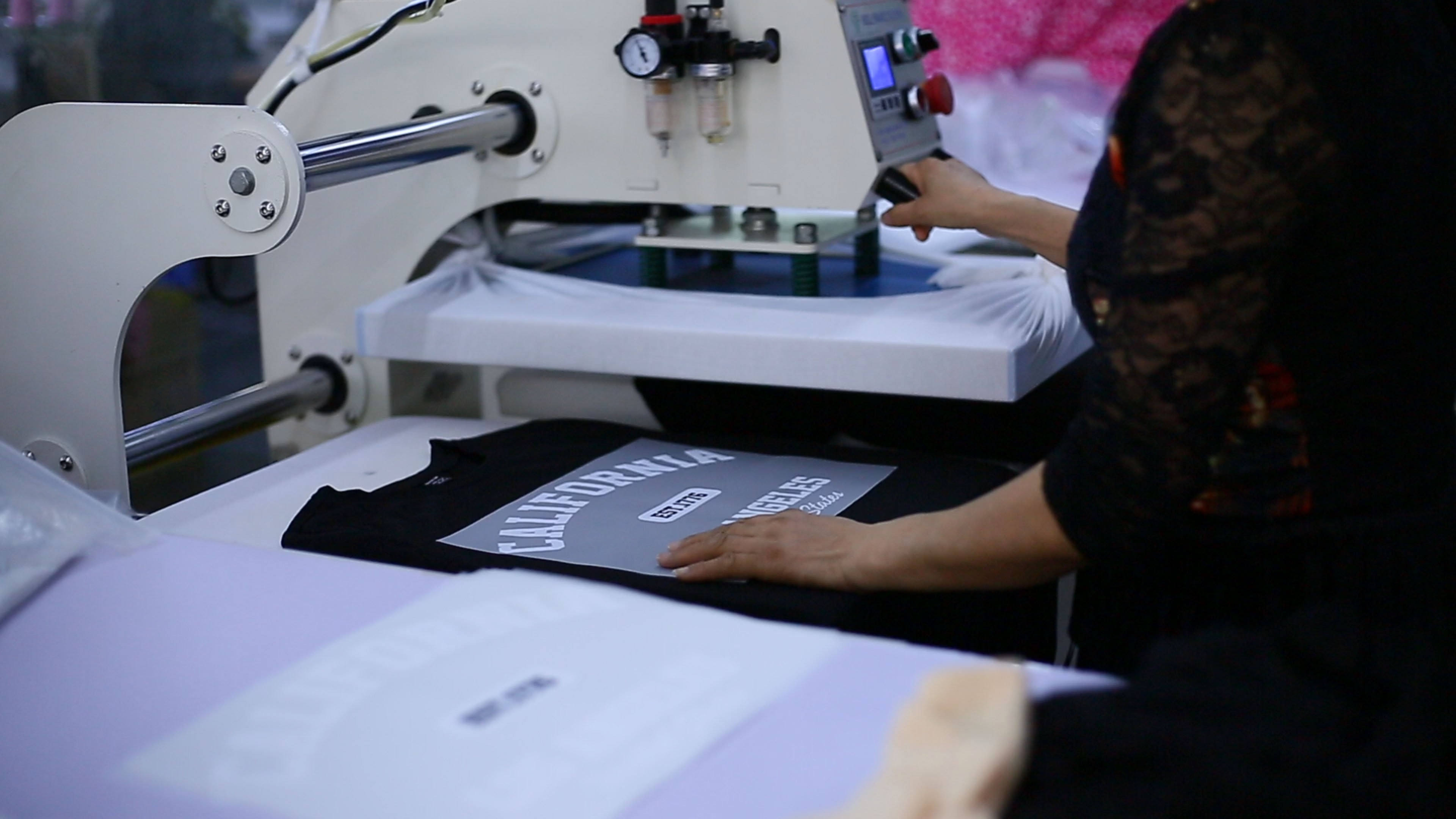
Quality assurance measures adhere strictly to ISO 2859-1 standards, utilizing Final AQL 2.5 Inspection alongside mid-production checks. For private label development—such as the supply program for United Kingdom DTC retailer Vanguard Shop Co., which demands 1,000 pieces per SKU across 24 drops per year—pre-production samples establish the benchmark range for shading, shrinkage, and print retention under heavy garment washing conditions.
Data & Solution Comparison
| Process Parameter | Sample Production (1–5 pcs) | Mass Production (50–1,000+ pcs) | Control Strategy / Tolerance |
|---|---|---|---|
| Liquor Ratio (Water to Fabric) | 1:15 to 1:20 | 1:8 to 1:10 | Automated fluid metering to maintain consistent chemical concentration |
| Mechanical Abrasion Level | Low to Moderate | High (Garment-to-garment contact) | Calibrated drum speed and stone volume adjustments |
| Color / Shade Tolerance | Baseline Reference | ±5% Spectrophotometer Variance | AQL 2.5 inspection against approved Pre-Production Sample |
| Fabric Shrinkage Range | 3% to 5% (Post-Wash) | 3% to 5% (Post-Wash) | Pre-shrunk fabric pattern engineering prior to cutting |
| Turnaround Lead Time | 3–15 Days | 20–35 Days | Batch scheduling based on fabric sourcing and process complexity |
Frequently Asked Questions (FAQ)
Q: Why does the color intensity of a mass-produced vintage wash t-shirt slightly differ from the sample?
A: Shading variations occur due to differences in bath volume, dye lot shifts, and increased mechanical friction inside larger industrial washing vats. Maintaining a single dye lot across bulk fabric rolls keeps variation within a tight ±5% tolerance.
Q: How does garment washing affect chest embroideries or 3D prints on heavyweight cotton t-shirts?
A: High-friction washes can distress surface prints or pucker embroidery threads if backing stabilizers are insufficient. In-house tech pack evaluation ensures proper thread tension and backing density are applied before washing.
Q: What minimum order quantity is required to guarantee accurate wash sampling before full production?
A: Samples are developed in 3 to 15 days for design approval. Custom style mass production requires an MOQ of 50 pieces per style/color, allowing precise industrial wash scaling without material waste.
Final Conclusion & Recommendations
Achieving standard-to-bulk fidelity in garment washing requires strict chemical ratio scaling, controlled machinery calibration, and rigorous quality inspection protocols. Streetwear brands and independent designers should establish clear pre-production approval stages and work with experienced OEM/ODM manufacturers capable of managing end-to-end processing from Tech Pack reproduction to final shipment via FOB Shenzhen or door-to-door DDP terms. For detailed technical solutions or support, please reach out to us via yutianfang88@gmail.com.
About Us
Dongguan City Dule Garment Co.,Ltd (brand name DOLUXE) is a professional OEM/ODM streetwear and heavyweight apparel manufacturer established in 2007 in Humen Town, Dongguan, China. Operating 50+ types of equipment to achieve full-process garment manufacturing in-house, the company delivers an annual production capacity of 1.2 million pieces. Specializing in 480–630 GSM heavyweight hoodies, t-shirts, cargo pants, and denim with vintage washing, puff print, and 3D embroidery, the enterprise serves over 200 brands across North America, Europe, Australia, and Asia.

Lastest
-
How early should I order puff-print French terry hoodies for a seasonal launch?
2026-10-01 -
What fabric certificates should I request for 400gsm embroidered fleece hoodies?
2026-10-01 -
Can digital printing replace hand painting while keeping a premium artistic feel?
2026-10-01 -
Can I place a small test order for acid-wash distressed T-shirts at a fair price?
2026-10-01 -
Why is the MOQ higher for custom hand-painted long-sleeve T-shirt designs?
2026-10-01
SUBSCRIBE
INQUIRY