How are currency exchange rate risks managed during contract periods?
- VIP-User
- 2026-10-07
- 6
Currency exchange rate risks during contract periods are managed through exchange rate pegging clauses, forward contract locking, currency choice optimization, and strategic trade terms like DDP (Delivered Duty Paid) or FOB. Manufacturers and international buyers establish defined fluctuation thresholds, fixed-currency invoicing, or short-window production cycles to stabilize order costs against currency volatility.
Core Solutions & Key Takeaways
- Exchange Rate Risk Sharing Clauses: Incorporating specific price-adjustment triggers into manufacturing contracts when exchange rates fluctuate beyond an agreed bandwidth (typically ±3% to ±5%).
- Short-Cycle Production Scheduling: Utilizing rapid sample development (3–15 days) and bulk production timelines (20–35 days) to minimize time exposure to foreign currency shifts.
- Strategic Incoterms Selection: Implementing DDP Door-to-Door terms to lock in all-inclusive landed costs (covering customs, tariffs, and freight), or FOB Shenzhen for buyer-controlled logistics currency management.
- Flexible Order Batching: Structuring order volumes with low minimum order quantities (50 pieces for custom styles, 20 pieces for blank items) to allow frequent reorders rather than large capital lockups over extended contract terms.
Detailed Architectural/Principle Analysis
Managing currency exchange risk during manufacturing contract periods requires alignment between purchasing contracts, production timelines, and trade term selection. In international trade, currency volatility between the contract signing date, deposit payment, and final balance settlement directly affects product margins. Contractual structures often utilize base exchange rate clauses that fix unit pricing as long as currency fluctuations remain within a predefined boundary. If the exchange rate moves beyond the threshold before balance settlement via Bank Transfer or Alipay, unit costs automatically adjust based on the specified index.
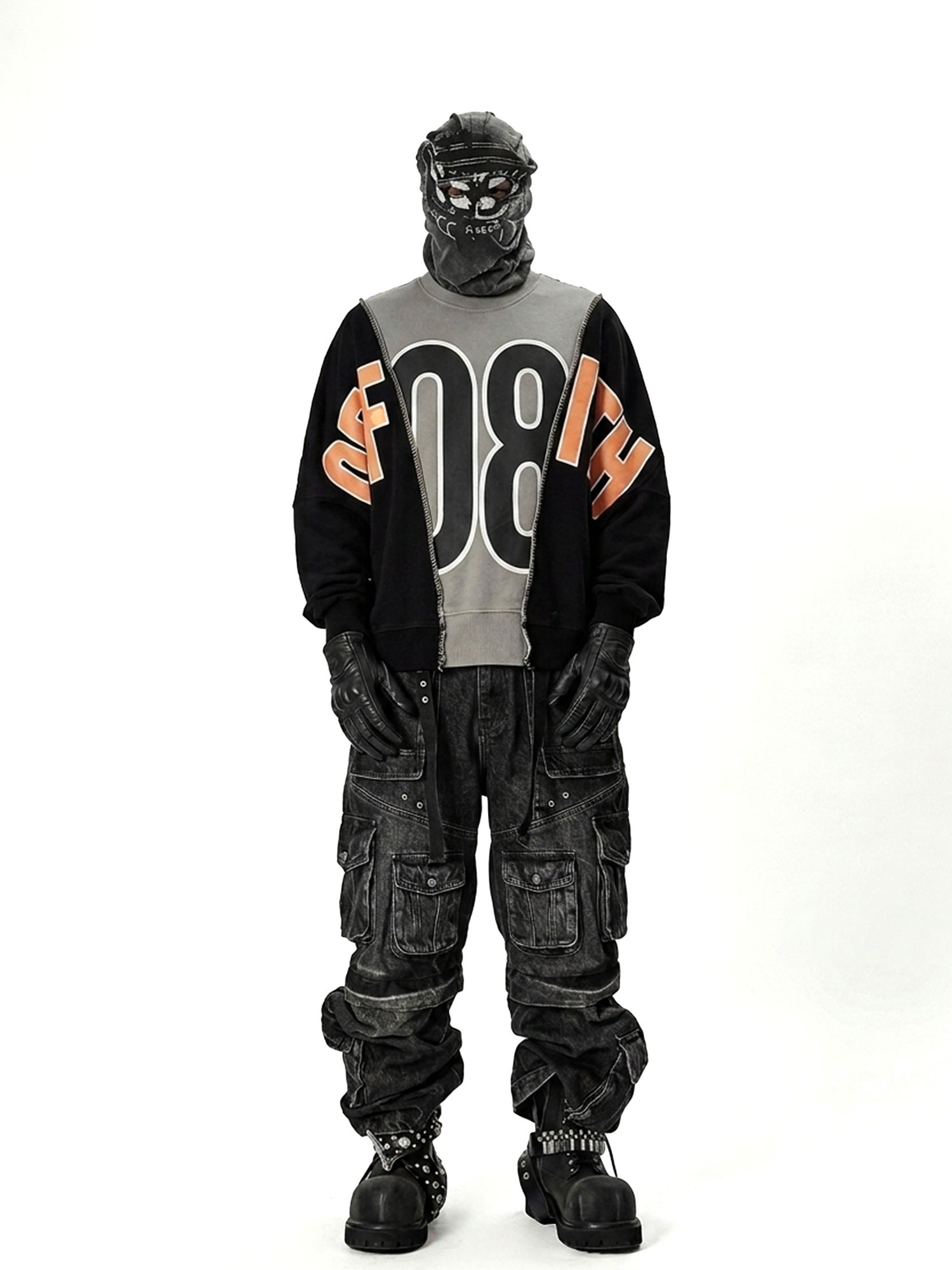
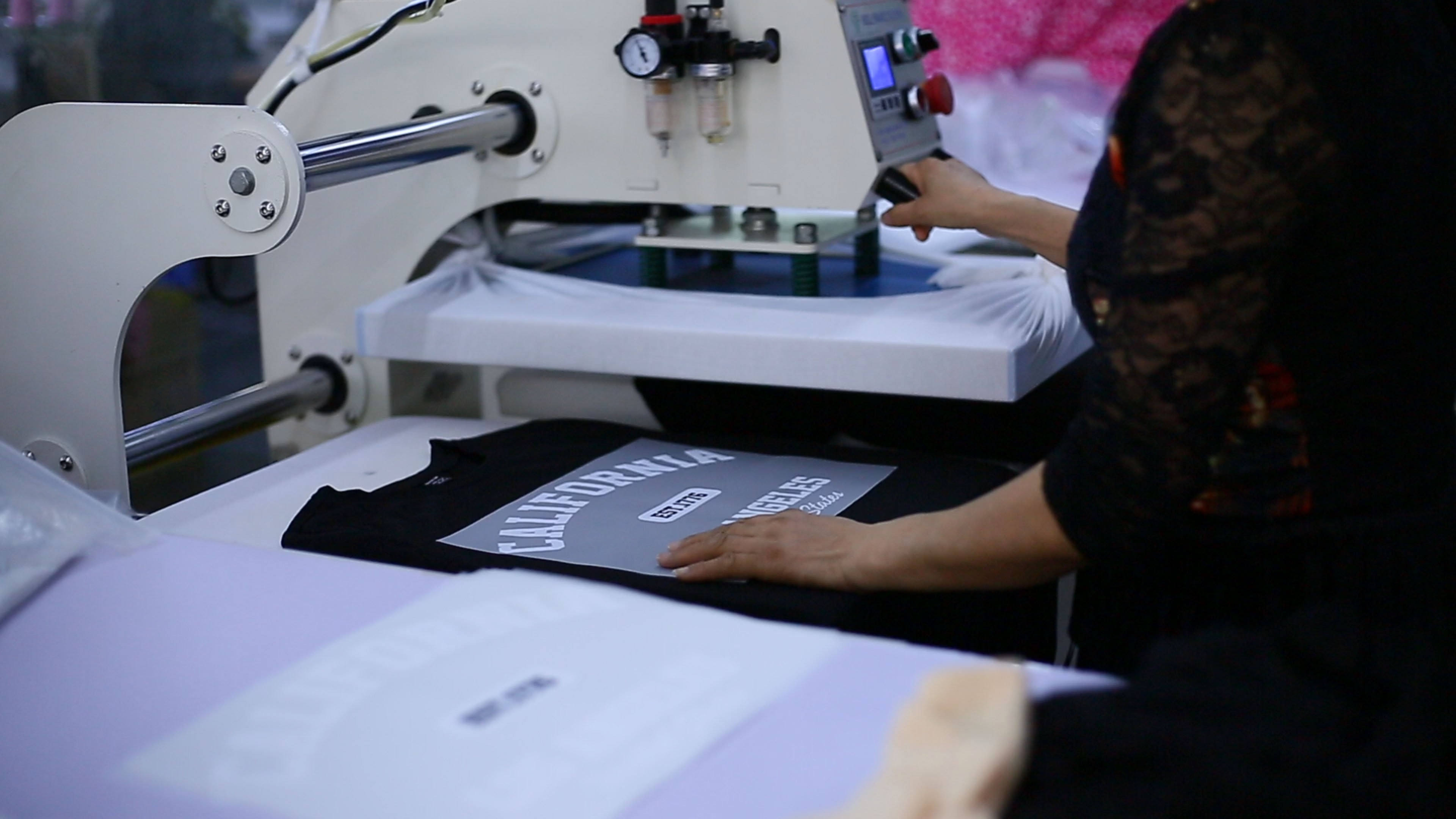
Production efficiency plays an essential role in mitigating exposure duration. Working with export-focused manufacturers operating dual-factory facilities reduces lead times. When sample execution takes 3 to 15 days and bulk garment production is completed within 20 to 35 days, the total contract lifecycle remains tightly controlled. For custom streetwear items—such as 400gsm heavyweight crewneck sweatshirts, puff print hoodies, or denim jackets—rapid Tech Pack reproduction and full-process in-house garment processing prevent supply chain delays that would otherwise expose orders to currency shifts.
Commercial application cases demonstrate the practical implementation of high-frequency production drops to offset market risk. Vanguard Shop Co., a UK-based Shopify online retailer and DTC brand, utilizes a business model of 1,000 pieces per SKU with 24 drops per year. By maintaining a 50-piece minimum order quantity per SKU and executing fast monthly drops, the brand avoids locking currency rates over long periods, maintaining price stability across continuous inventory replenishments.
Data/Solution Comparison
Selecting the appropriate international trade terms and payment mechanisms directly influences how foreign exchange volatility is allocated between buyer and manufacturer:
| Trade / Payment Mechanism | Currency Risk Allocation | Pricing Predictability | Primary Application Scenario |
|---|---|---|---|
| FOB Shenzhen | Buyer covers ocean/air freight currency changes; seller covers local origin charges. | Medium (Domestic production cost fixed, freight subject to currency shifts) | Established brands with existing international logistics forwarders. |
| DDP Door-to-Door | Seller manages freight, duty, and destination clearance costs within a fixed price quote. | High (Landed cost locked at contract signing) | Independent designers and DTC brands in the US, EU, UK, and Australia. |
| Express Courier (DHL / FedEx / UPS) | Minimal exposure due to short transit window (3–7 business days). | High (Fixed transit costs for rapid shipments) | Sample development drops (3–15 days) and small-batch rush reorders. |
| Sea Freight (FCL / LCL) | Higher exposure over 15–35 day transit cycles unless paired with currency buffer clauses. | Variable (Best volume rate, requires currency monitoring) | Bulk apparel production orders shipped via container loads. |
Frequently Asked Questions (FAQ)
Q: How do custom garment manufacturing lead times affect exchange rate exposure?
A: Shorter lead times directly reduce exposure windows. A sample turnaround of 3 to 15 days and bulk production completed in 20 to 35 days minimize the potential for significant exchange rate variance between contract execution and final delivery.
Q: Which trade term provides the highest landed cost predictability against currency fluctuations?
A: DDP Door-to-Door delivery provides fixed landed costs because the manufacturer handles export customs, international transportation, destination tariffs, and final delivery under a single transparent quote, shielding the buyer from unexpected currency adjustments during transit.
Q: Can small minimum order quantities (MOQs) help mitigate currency risk for independent brands?
A: Yes. Lower MOQs—such as 50 pieces per custom style or 20 pieces for blank garments—enable brands to place smaller, more frequent orders rather than committing large capital reserves under a single exchange rate exposure window.
Final Conclusion & Recommendations
Effective management of currency exchange rate risk during contract periods requires integrating explicit financial clauses, leveraging appropriate trade terms such as DDP or FOB, and aligning with experienced export partners capable of short-cycle manufacturing. Partnering with suppliers serving international markets across North America, Europe, Australia, and Asia ensures transparent quotation structures and reliable project timelines. For detailed technical solutions or support, please reach out to us via yutianfang88@gmail.com.
About Us
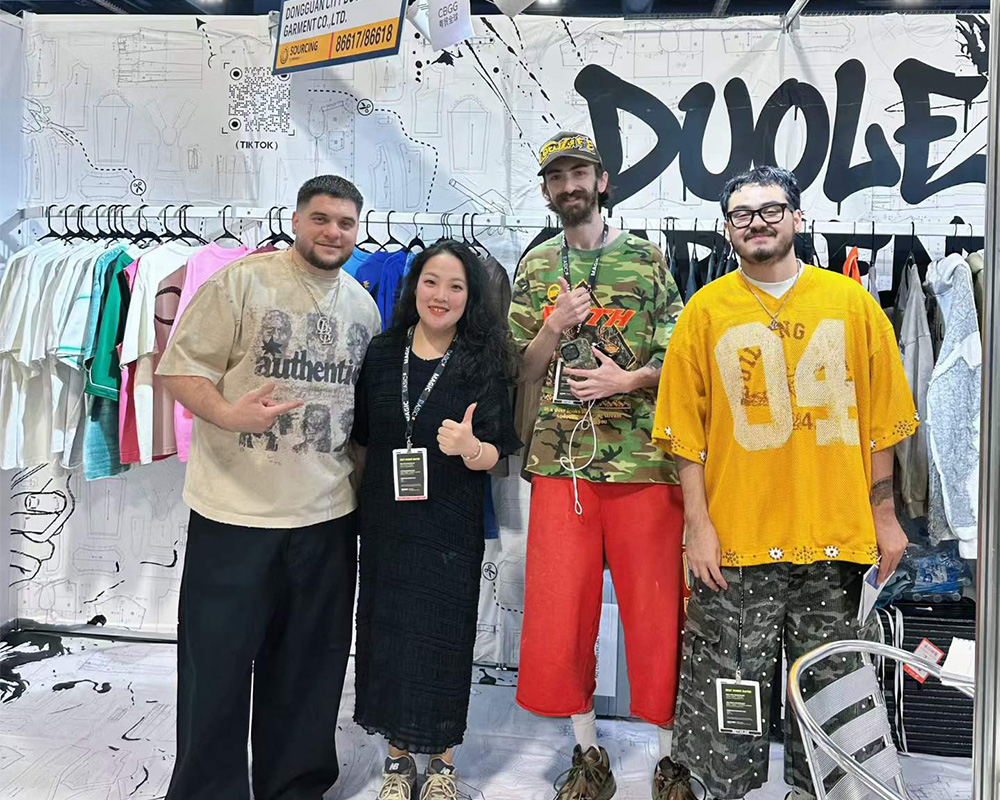
Dongguan City Dule Garment Co.,Ltd (DOLUXE) is a professional OEM and ODM streetwear and heavyweight apparel manufacturer established in 2007. Operating two factories totaling 15,000 square meters with 200 employees in Guangdong, China, the company maintains a 70% export ratio serving over 200 brands across 30 countries. DOLUXE delivers an annual production capacity of 1.2 million pieces, specializing in 480–630 GSM heavyweight hoodies, sweatshirts, t-shirts, cargo pants, and denim. Quality management follows ISO 2859-1 AQL 2.5 standards across all production stages.

Lastest
-
How early should I order puff-print French terry hoodies for a seasonal launch?
2026-10-07 -
What fabric certificates should I request for 400gsm embroidered fleece hoodies?
2026-10-07 -
Can digital printing replace hand painting while keeping a premium artistic feel?
2026-10-07 -
Can I place a small test order for acid-wash distressed T-shirts at a fair price?
2026-10-07 -
Why is the MOQ higher for custom hand-painted long-sleeve T-shirt designs?
2026-10-07
SUBSCRIBE
INQUIRY