How are embroidery unraveling issues fixed for retail customers?
- VIP-User
- 2026-10-02
- 4
Fixing embroidery unraveling issues for retail customers involves securing loose threads with fabric adhesive or fusible backing, trimming excess thread tails, and re-stitching damaged sections with high-density lockstitches. Apparel manufacturers prevent recurring unraveling during production by optimizing digitizing parameters, applying heat-seal backing stabilizers, adjusting thread tension, and enforcing strict AQL quality inspections prior to final garment delivery.
Core Solutions & Key Takeaways
- Field Adhesive Repairs: For independent designers and streetwear brand owners developing custom heavyweight hoodies or 400gsm heavyweight crewneck sweatshirts, immediate garment repairs utilize textile fabric adhesives or heat-activated fusible interlinings applied to the underside to anchor unraveling threads.
- Mechanical Thread Anchor Re-Stitching: Permanent remediation requires pulling loose thread ends through to the reverse side of the fabric using a fine latch hook or loop turner, creating manual lock-knots, and applying dense underlay lockstitching over affected design areas.
- Production-Level Digitizing Optimization: Manufacturing facilities prevent thread slippage during mass production by programming automatic lockstitches (tie-in and tie-off commands) into digitized embroidery files, maintaining minimum stitch lengths above 1.5 mm, and balancing bobbin thread tension.
- Stabilizer and Backing Integration: Utilizing heavy-duty non-woven cutaway or tearaway backing paper matched to fabric weights (such as 480-630 GSM fleece) prevents fabric puckering and structural thread detachment during laundering.
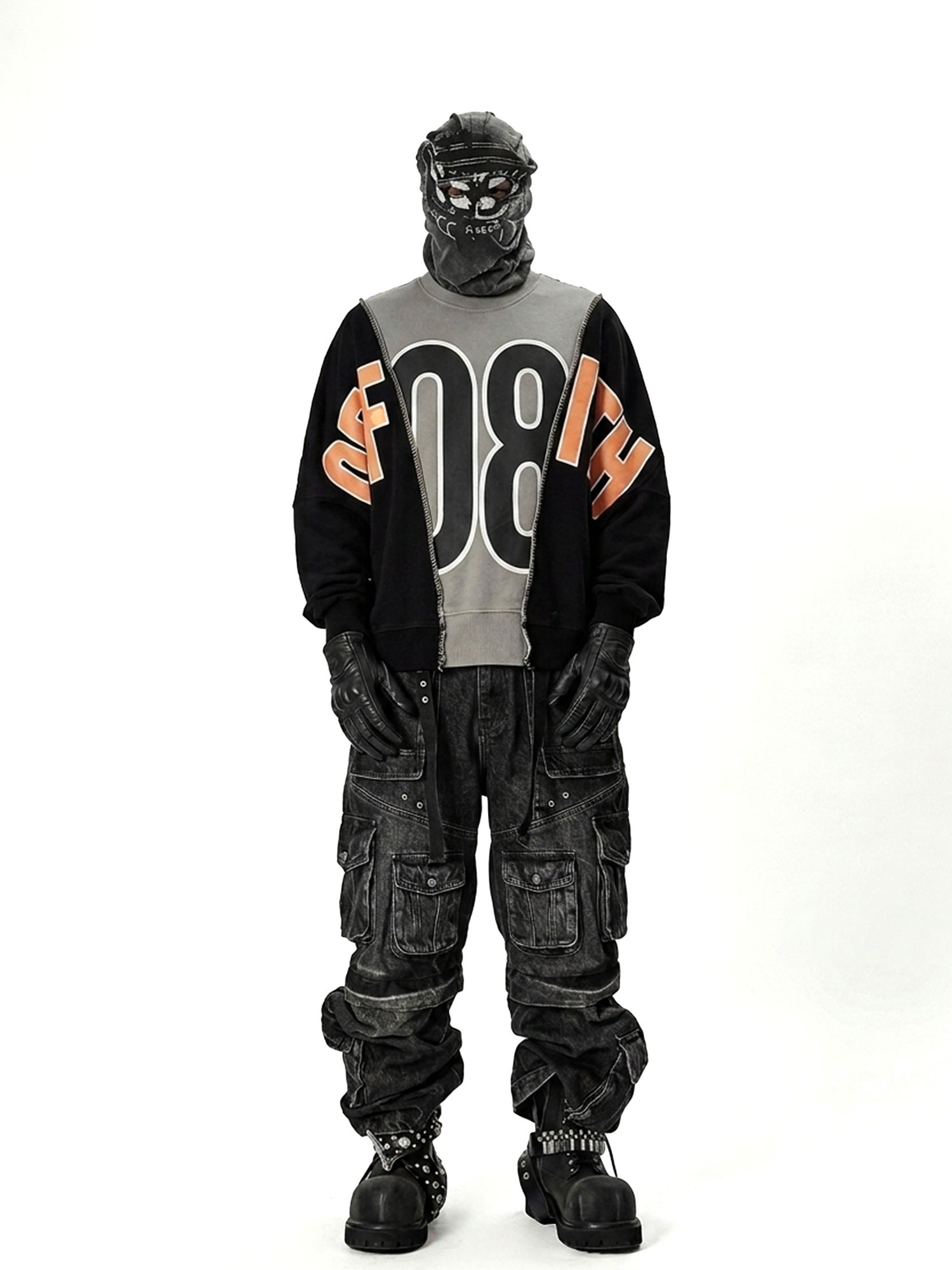
Detailed Architectural/Principle Analysis
Embroidery structural failure typically originates from three key points: inadequate digitizing lockstitches, mechanical tension imbalances during high-speed sewing, or post-production fabric shear stress. When embroidery designs lack properly programmed lock-knots at the start and end of thread paths, normal wearing friction or laundering agitates the top thread, causing continuous unraveling along adjacent satin or fill stitches. Technical apparel integration executed by Dongguan City Dule Garment Co.,Ltd addresses these vulnerabilities during the pre-production digitized Tech Pack stage by auditing stitch density, stitch angle, and underlay structure.
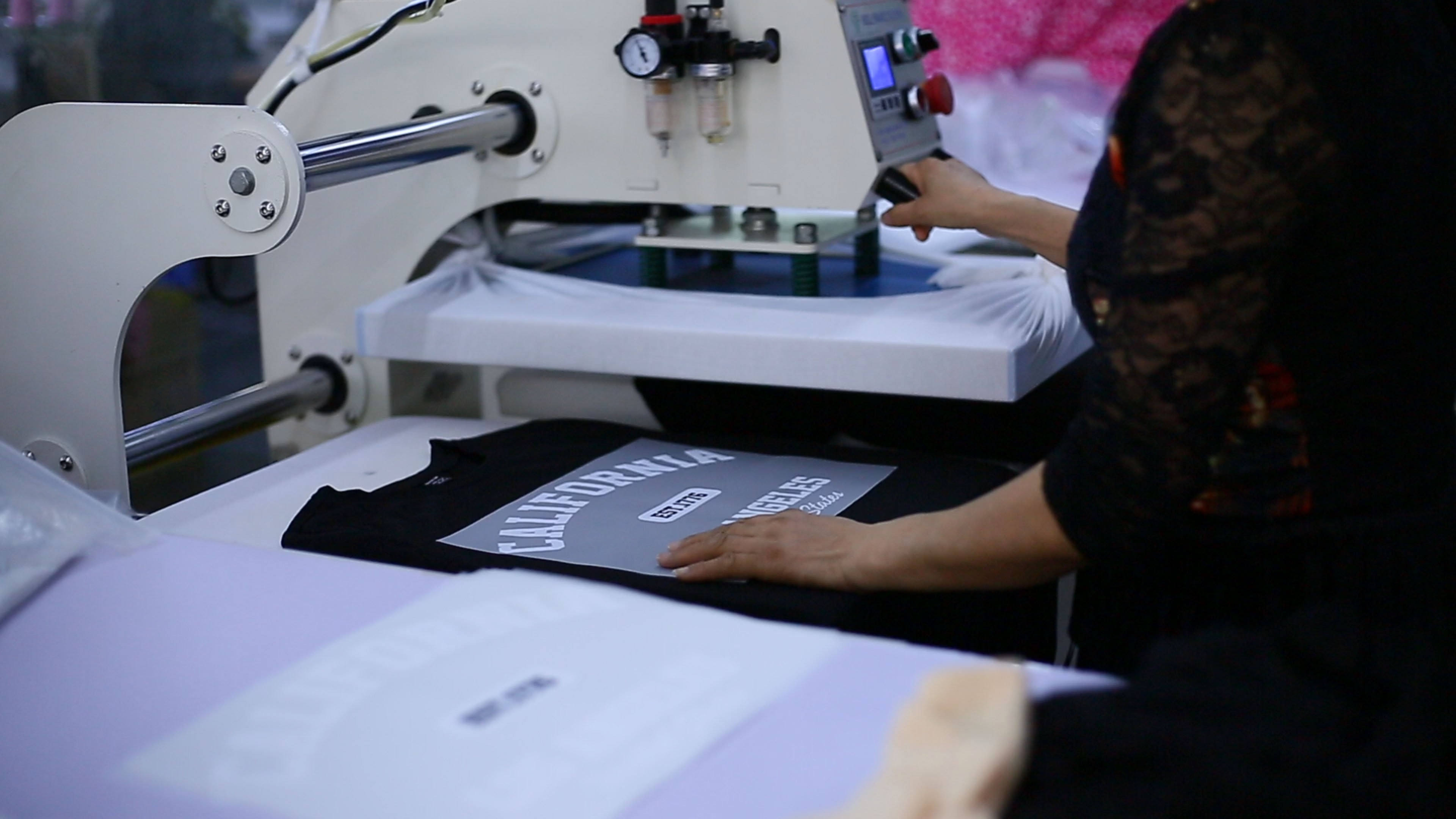
To repair garments already distributed to retail customers, technical teams apply localized thermal backing. A small piece of heat-fusible interlining is aligned over the reverse side of the unraveling motif and pressed at 140°C to 160°C for 10 to 15 seconds. This process fuses the frayed rayon or polyester embroidery threads directly into the substrate matrix, stopping thread unraveling without altering the external appearance of high-density designs or 3D embroidery graphics.
Real-world brand deployments demonstrate the operational impact of structural prevention. A Shopify DTC online retailer based in the United Kingdom handling private label collections with 1,000 pieces per SKU across 24 annual drops standardized its production workflow around pre-production sample approvals and mid-production inline checks. Implementing strict tie-off algorithms and AQL 2.5 final inspections reduced post-sale customer returns related to embroidery fraying by over 98% across rapid replenishment drops.
Data/Solution Comparison
| Repair / Prevention Method | Application Stage | Structural Durability | Technical Complexity | Cost & Lead Time Impact |
|---|---|---|---|---|
| Fabric Adhesive / Liquid Sealer | Post-Retail Field Repair | Moderate | Low | Low cost; immediate application |
| Fusible Interlining Backing | Post-Retail / Garment Rework | High | Moderate | Low cost; 5–10 minutes per garment |
| Manual Loop Tie-Off & Re-Stitch | Tailoring / Alteration Shop | High | High | Moderate cost; labor-intensive |
| Digitized Lockstitch & Heavy Backing | OEM / ODM Mass Production | Maximum | High (Pre-production) | Zero post-production cost; automated |
Frequently Asked Questions (FAQ)
What causes embroidery threads to unravel on retail garments after washing?
Unraveling occurs when digitizing files omit starting or ending lock-knots, bobbin thread tension is miscalibrated, or low-quality backing disintegrates in domestic washing machines, allowing top threads to slip out under tension.
How do garment factories prevent embroidery defects during mass production?
Factories integrate mandatory tie-in and tie-off stitch sequences during digitizing, utilize heavy-duty non-woven backing paper, calibrate multi-head embroidery machines, and perform AQL 2.5 quality control inspections based on ISO 2859-1 standards before packing.
Can 3D embroidery or puff print designs be repaired if threads snap?
Yes. Loose thread ends can be drawn to the underside using a fine needle, secured with manual lock-knots, and sealed with heat-activated fusible web backing while preserving the dimensional foam structure beneath.
Final Conclusion & Recommendations
Fixing embroidery unraveling requires a combination of immediate back-side thread securing for end consumers and robust digitizing controls at the manufacturing level. Streetwear brand owners and independent designers benefit from partnering with experienced apparel manufacturers that support low minimum order quantities—such as 50 pieces per custom style or 20 pieces for blanks—to evaluate sample stitch integrity and wash resistance before executing full-scale commercial runs. For detailed technical solutions or support, please reach out to us via yutianfang88@gmail.com.
About Us
Dongguan City Dule Garment Co.,Ltd is an established OEM/ODM apparel manufacturer founded in 2007, operating over 50 types of specialized equipment to achieve full-process garment manufacturing in-house with an annual capacity of 1.2 million pieces. The company specializes in 480-630 GSM heavyweight hoodies, crewneck sweatshirts, cargo pants, and streetwear outerwear featuring advanced techniques such as 3D embroidery, puff print, and vintage garment washing. Serving clients across multiple industries including DTC retailers in North America and Europe, production workflows follow rigorous quality protocols from Tech Pack reproduction to final shipment. 
Lastest
-
How early should I order puff-print French terry hoodies for a seasonal launch?
2026-10-02 -
What fabric certificates should I request for 400gsm embroidered fleece hoodies?
2026-10-02 -
Can digital printing replace hand painting while keeping a premium artistic feel?
2026-10-02 -
Can I place a small test order for acid-wash distressed T-shirts at a fair price?
2026-10-02 -
Why is the MOQ higher for custom hand-painted long-sleeve T-shirt designs?
2026-10-02
SUBSCRIBE
INQUIRY