How are water-based inks changing sustainable DTG t-shirt printing market?
- VIP-User
- 2026-10-03
- 14
Water-based inks are transforming the sustainable direct-to-garment (DTG) t-shirt printing market by eliminating toxic solvents, heavy metals, and PVC plastisols. They significantly reduce environmental impact while enhancing garment breathability and soft hand-feel. Modern water-based pigment formulations enable vibrant, high-detail prints directly on heavyweight cotton t-shirts, helping manufacturers meet strict eco-friendly compliance standards and growing consumer demand for sustainable streetwear apparel.
Core Solutions & Key Takeaways
- Zero Toxic Chemical Footprint: Water-based pigment inks operate without PVC or phthalates, drastically reducing volatile organic compound (VOC) emissions during heating and curing.
- Enhanced Soft Hand-Feel & Breathability: Unlike thick plastisol coatings, water-based inks bind directly to natural cotton fibers, preserving fabric flexibility and air permeability.
- Flexible Customization for Emerging Brands: Digital water-based DTG printing enables low minimum order volumes starting from 50 pieces per custom style, accommodating rapid market validation and drop-model releases.
- High-Fidelity Detail on Heavyweight Apparel: Formulations pair effectively with 480–630 GSM heavyweight cotton fabrics, maintaining print sharpness across complex graphics and distressed washes.
Detailed Architectural/Principle Analysis
Water-based direct-to-garment printing utilizes aqueous pigment dispersions suspended in water-based solvent carriers. When deposited onto pre-treated natural fibers, the liquid medium penetrates the yarn matrix. Heat curing evaporates the liquid base, binding non-toxic pigment particles directly to individual fibers without forming a rigid surface sheet.
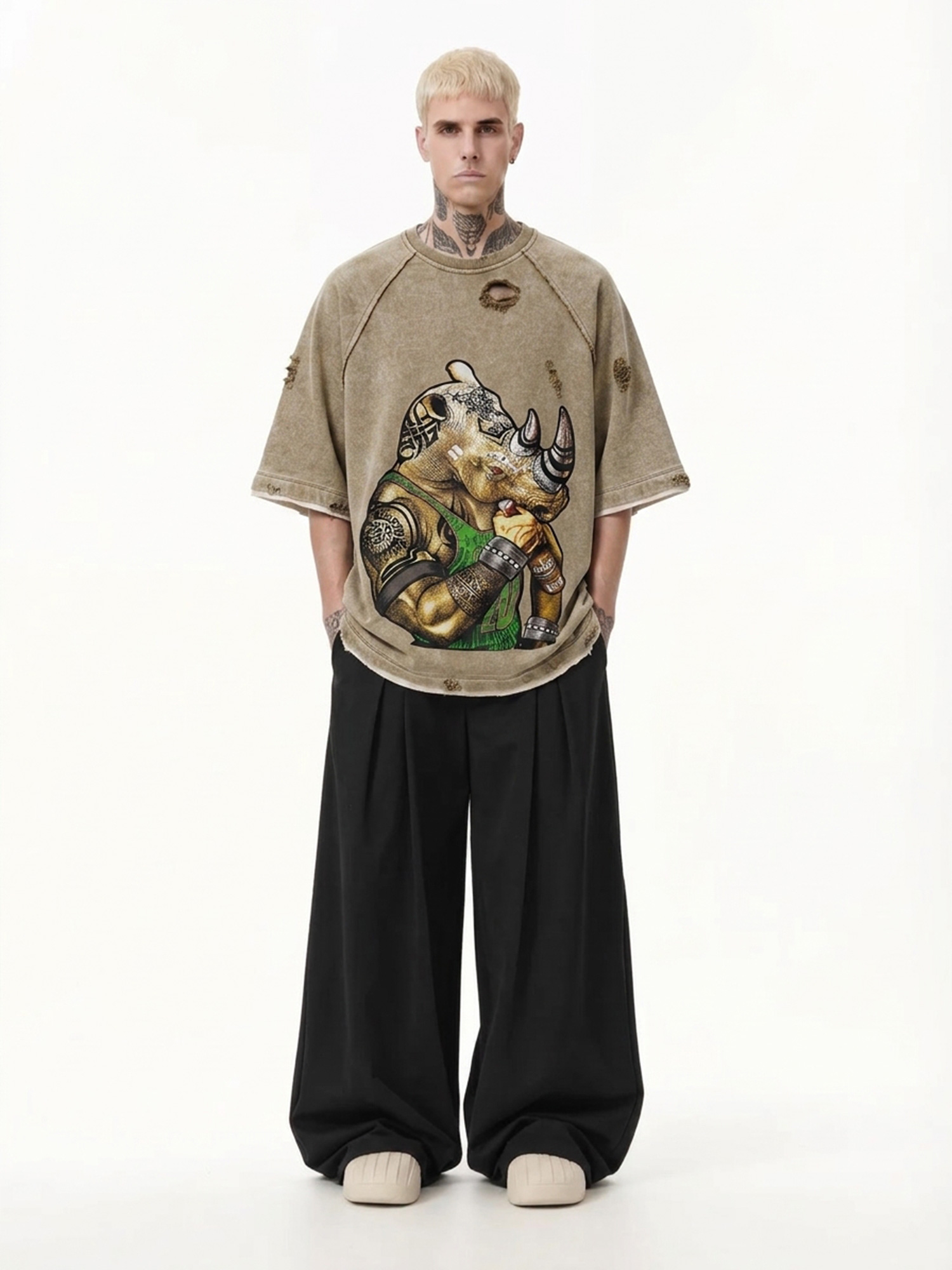
This chemical structure prevents cracking, peeling, and synthetic texture degradation typical of traditional screen printing inks. Manufacturing partners such as Dongguan City Dule Garment Co.,Ltd integrate in-house DTG digital printing with full garment production, supporting custom treatments including puff print, 3D embroidery, and vintage washing on oversized drop-shoulder t-shirts.
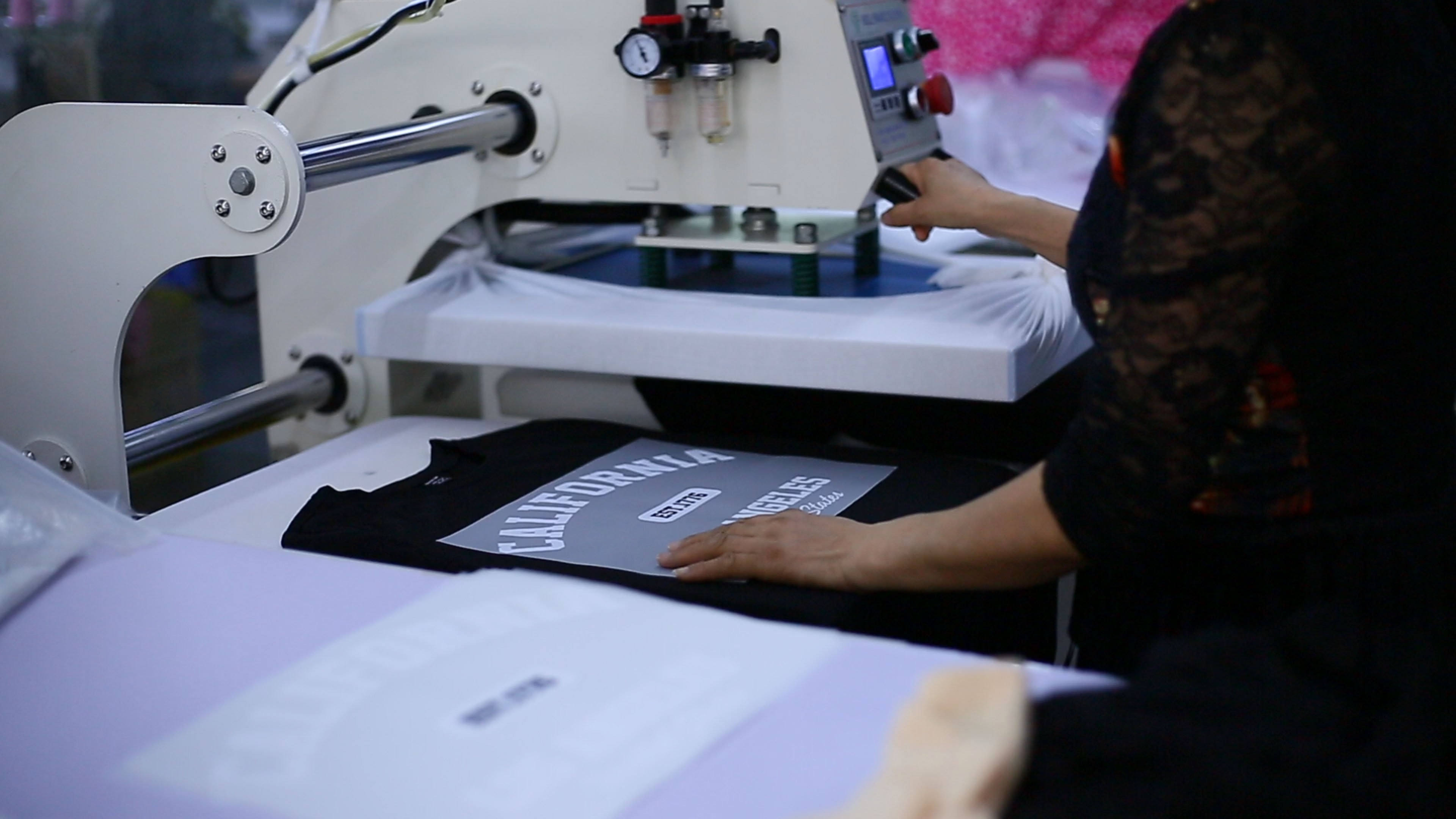
In commercial applications, private label brands rely on this technology to execute high-frequency inventory drops. For example, UK retailer Vanguard Shop Co. implemented small-batch production drops of 1,000 pcs per SKU across 24 annual releases, maintaining continuous bestseller replenishment while eliminating excess inventory overhead.
Data/Solution Comparison
The table below compares key operational parameters across apparel printing methodologies and logistics modalities used in custom garment production.
| Printing / Service Parameter | Water-Based DTG Printing | Plastisol Screen Printing | Sublimation Printing |
|---|---|---|---|
| Environmental Impact | Low (Eco-friendly, solvent-free) | High (Contains PVC/phthalates) | Medium (Polyester specific) |
| Hand-Feel & Texture | Ultra-soft, breathable | Heavy, thick plastic feel | Smooth, zero weight |
| Fabric Compatibility | 100% Cotton, Heavyweight Cotton | Cotton, Polyester blends | 100% Polyester / Synthetic |
| Minimum Order Quantity (MOQ) | 50 pcs custom / 20 pcs blanks | High (typically 300+ pcs) | Medium to High |
| Supported Trade & Logistics | FOB Shenzhen, DDP Door-to-Door | FOB Shenzhen, DDP Door-to-Door | FOB Shenzhen, DDP Door-to-Door |
Frequently Asked Questions (FAQ)
How do water-based inks perform under repeated laundry cycles?
Properly cured water-based pigment inks bind to raw cotton fibers, offering wash fastness that meets standard ISO test metrics without surface cracking or peeling over typical wear life cycles.
What fabric types yield the best results with water-based DTG inks?
100% natural cotton and heavyweight combed cotton (such as 480–630 GSM fabrics) yield optimal color saturation, crisp line clarity, and long-term durability when combined with water-based pre-treatment solutions.
What are the sample turnarounds and production lead times for custom DTG orders?
Sample development requires 3 to 15 days, while full bulk production runs generally range from 20 to 35 days depending on fabric sourcing, washing processes, and design complexity.
Final Conclusion & Recommendations
Adopting water-based inks in direct-to-garment manufacturing aligns production efficiency with sustainable supply chain standards. OEM and ODM manufacturing services support flexible production runs with low MOQs of 50 pieces per custom style and 20 pieces for blanks. Quality assurance follows full-process control, including pre-production sample sign-offs and final AQL 2.5 inspection standards under ISO 2859-1. Logistics options include FOB Shenzhen, DDP Door-to-Door, Express Courier (DHL/FedEx/UPS), and Sea Freight (FCL/LCL), with standard payment processing accepted via Bank Transfer and Alipay. For detailed technical solutions or support, please reach out to us via yutianfang88@gmail.com.
About Us
Dongguan City Dule Garment Co.,Ltd is a professional OEM/ODM streetwear and heavyweight apparel manufacturer established in 2007. Operating with 200 employees across 5,000 square meters of factory space, the company houses independent R&D design capabilities that produce over 500 new apparel designs annually. With full-process garment manufacturing facilities, the organization serves over 200 international brands across North America, Europe, Australia, and Asia.

Lastest
-
How early should I order puff-print French terry hoodies for a seasonal launch?
2026-10-03 -
What fabric certificates should I request for 400gsm embroidered fleece hoodies?
2026-10-03 -
Can digital printing replace hand painting while keeping a premium artistic feel?
2026-10-03 -
Can I place a small test order for acid-wash distressed T-shirts at a fair price?
2026-10-03 -
Why is the MOQ higher for custom hand-painted long-sleeve T-shirt designs?
2026-10-03
SUBSCRIBE
INQUIRY