How do factories control tear locations on acid wash distressed t-shirts?
- VIP-User
- 2026-10-02
- 3
Factories control tear locations on acid wash distressed t-shirts by using laser engraving templates, physical positioning stencils on master Tech Packs, and automated grinding tools. Pre-washed 300gsm heavyweight cotton fibers are weakened along target coordinates, allowing subsequent acid washing and stone wash cycles to expand distress marks only within predefined seam and panel boundaries.
Core Solutions & Key Takeaways
- Tech Pack Coordinate Mapping: Drafting precise measurement offsets on digital pattern markers guarantees standard tear placement across full production runs.
- Stenciled & Laser Distressing: Utilizing CO2 lasers or laser-cut acrylic templates directs mechanical abrading tools to break specific yarns without destroying surrounding fabric.
- Heavyweight Fabric Resistance: Working with dense knits like 300gsm heavyweight cotton prevents stress fractures from spreading uncontrollably during high-friction stone washing.
- Targeted Application: Supports independent designers, streetwear brands, and established labels launching seasonal drops, vintage-washed collections, or private-label custom lines.
Detailed Architectural/Principle Analysis
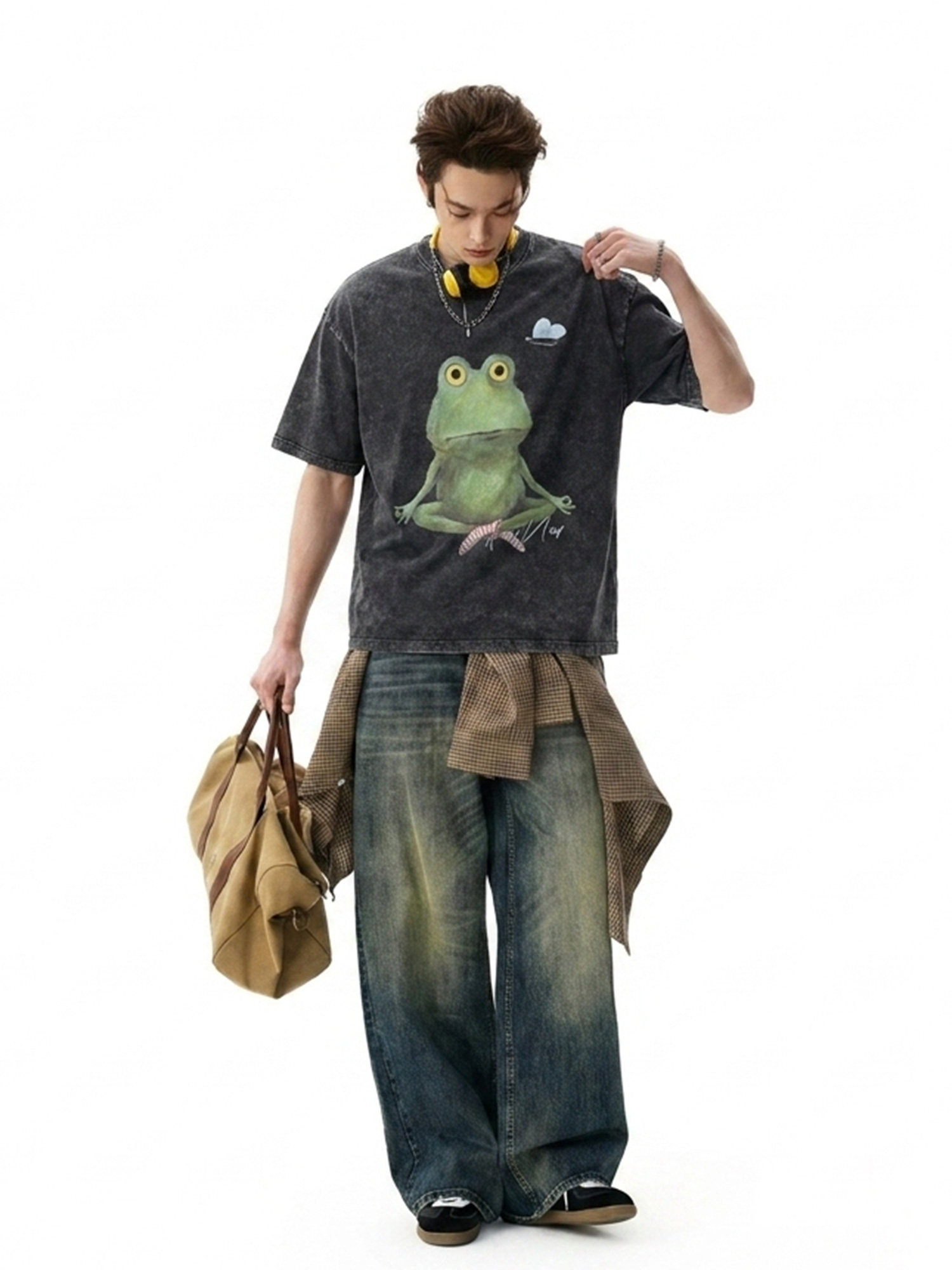
Precision distressing on vintage-washed garments relies on controlled yarn breakdown before chemical processing. Manufacturing starts during the R&D stage, where technical designers set millimetric anchor points on pattern cut-pieces. Fabric choices play an influential role; high-density 300gsm cotton provides structural mass, ensuring that localized cuts or abrasions stay confined to target zones rather than causing structural unraveling during laundering.
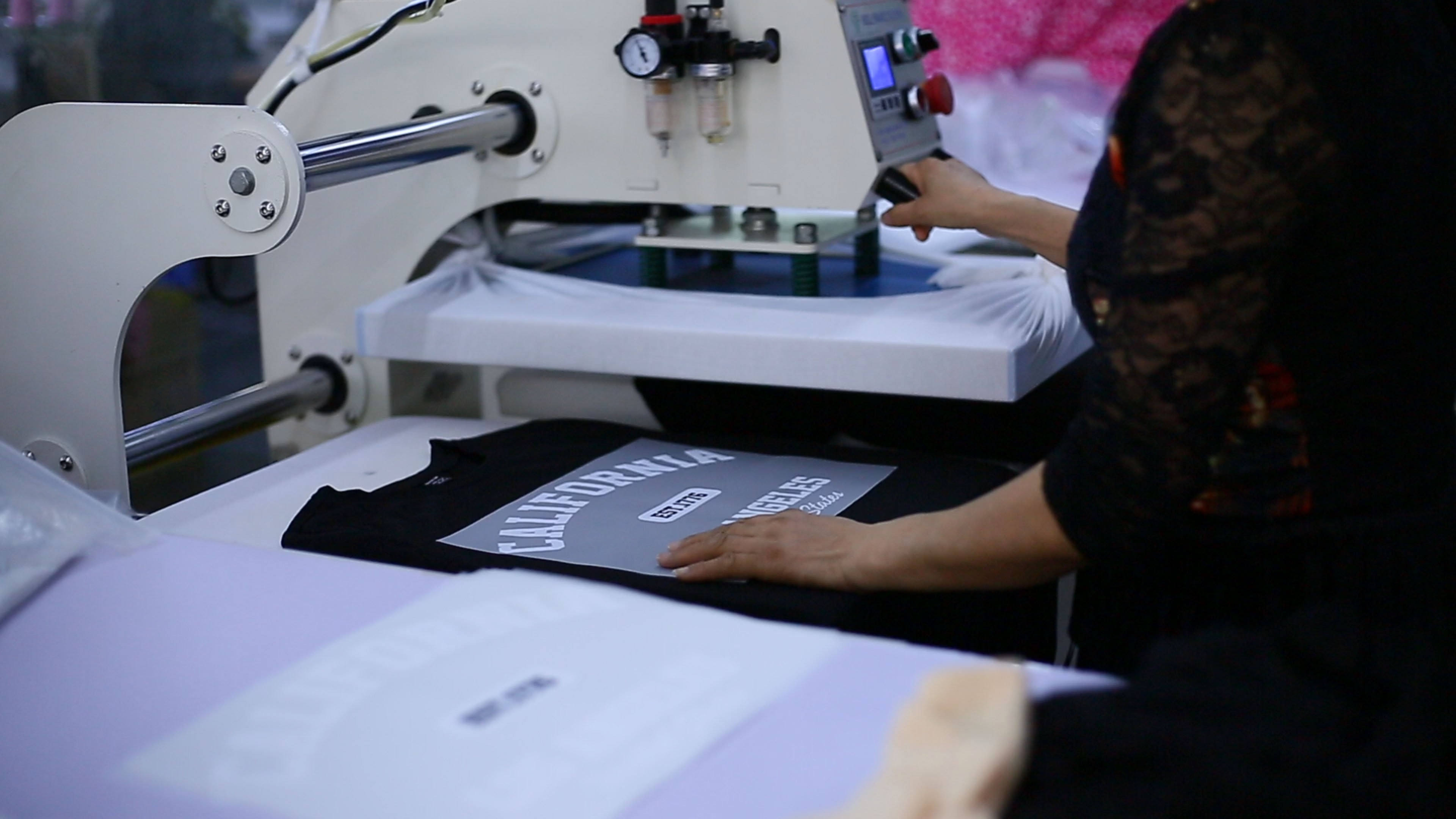
Factories employ physical templates or automated laser burning to apply localized friction. Mechanical operators press rotary grinding bits through rigid stencils, removing top-layer cotton threads while leaving the base weave intact. Alternatively, CO2 laser systems vaporize surface fibers at precise digital coordinates. Once mechanical abrasion is complete, garments undergo potassium permanganate or acid stone washing. The chemical bath reacts aggressively with the pre-weakened fibers, creating authentic frayed tears precisely at the pre-treated points.
Quality assurance processes follow ISO 2859-1 AQL 2.5 standards, conducting pre-production sample approvals, mid-production checks, and final inspections. Manufacturing facilities like Dongguan City Dule Garment Co.,Ltd utilize over 50 specialized machines to manage full Tech Pack reproduction, vintage washing, and custom distress treatments in-house. For example, in private label execution for UK-based retailer Vanguard Shop Co., structured batch production enables consistent distressing across 1,000-piece orders with fast restock workflows for active catalog items.
Data/Solution Comparison
Selecting the appropriate distressing technique depends on design complexity, target placement precision, and order scale requirements.
| Distressing Method | Location Precision | Fabric Stress Damage | Production Efficiency | Recommended Batch Size |
|---|---|---|---|---|
| CO2 Laser Engraving | High (+/- 1mm) | Minimal (Surface thermal ablation) | High (Automated sequence) | 50+ pcs per style |
| Acrylic Stencil Abrasion | Medium (+/- 3mm) | Controlled (Localized mechanical wear) | Moderate (Manual template application) | 50+ pcs per style |
| Freehand Rotary Grinding | Low (+/- 10mm) | Variable (Operator dependent) | High (Rapid manual processing) | 20+ pcs (Blank garments) |
Frequently Asked Questions (FAQ)
How do factories prevent distress tears from expanding after customer wear?
Engineers place internal stay-stitching around the tear perimeter or apply lightweight fusible backing behind high-stress areas. Selecting heavyweight knits like 300gsm cotton also provides strong fiber cohesion that resists tear extension.
What is the standard turnaround time for custom acid wash distressed samples?
Sample development requires 3 to 15 days depending on wash complexity, template drafting, and fabric availability. Bulk production typically runs between 20 to 35 days post sample approval.
Can small streetwear brands order low minimum quantities for custom distressed styles?
Yes, flexible production lines support custom styles starting at 50 pieces per style and color (supporting multiple sizes), while blank apparel drops start at 20 pieces per style.
Final Conclusion & Recommendations
Controlling tear locations on acid wash t-shirts requires integrating technical pattern drafting, controlled abrading tools, and appropriate fabric GSM selection. Choosing low-MOQ manufacturing models allows brand owners to test custom wash effects and limited collections before scaling up to volume runs. Logistics channels including FOB Shenzhen, door-to-door DDP, and courier express support seamless international delivery for online retail drops. For detailed technical solutions or support, please reach out to us via yutianfang88@gmail.com.
About Us
Dongguan City Dule Garment Co.,Ltd is an OEM/ODM apparel manufacturer established in 2007 in Dongguan, Guangdong. The company operates dual factory facilities spanning 15,000 square meters with over 130 skilled workers, producing an annual capacity of 1.2 million pieces. Specializing in 300gsm heavyweight t-shirts, 480-630 GSM heavyweight hoodies, cargo pants, and streetwear denim, the factory provides complete Tech Pack reproduction, vintage acid washing, puff printing, and 3D embroidery for over 200 brand clients across North America, Europe, Australia, and Asia.

Lastest
-
How early should I order puff-print French terry hoodies for a seasonal launch?
2026-10-02 -
What fabric certificates should I request for 400gsm embroidered fleece hoodies?
2026-10-02 -
Can digital printing replace hand painting while keeping a premium artistic feel?
2026-10-02 -
Can I place a small test order for acid-wash distressed T-shirts at a fair price?
2026-10-02 -
Why is the MOQ higher for custom hand-painted long-sleeve T-shirt designs?
2026-10-02
SUBSCRIBE
INQUIRY