How do you handle claims for damaged seams on garment wash t-shirts?
- VIP-User
- 2026-10-06
- 4
Handling claims for damaged seams on garment wash t-shirts involves structured quality evaluation, root-cause verification, and targeted remediation. When batch seam defects occur post-washing, manufacturers evaluate inspection reports against ISO 2859-1 AQL 2.5 standards to confirm factory responsibility. Confirmed claims trigger immediate repair, replacement production, or financial credit compensation, supported by dedicated account resolution protocols.
Core Solutions & Key Takeaways
- Multi-Stage Quality Verification: Pre-production sample approval, mid-production seam stress checks, and final ISO 2859-1 AQL 2.5 inspections isolate seam degradation points caused by high-friction garment washing.
- Defect Root Cause Diagnostics: Technical evaluation distinguishes mechanical wash stress fractures in heavy cotton (480–630 GSM) t-shirts from thread tension defects introduced during initial seam assembly.
- Responsive Claim Settlement: Execution of contract-backed after-sales protocols provides localized repair solutions, expedited replacement manufacturing, or equivalent account compensation upon verification.
- Workflow Adaptation for Brand Owners: Customized post-wash quality thresholds support independent streetwear labels and private-label DTC retailers managing tight seasonal drop schedules.
Detailed Architectural/Principle Analysis
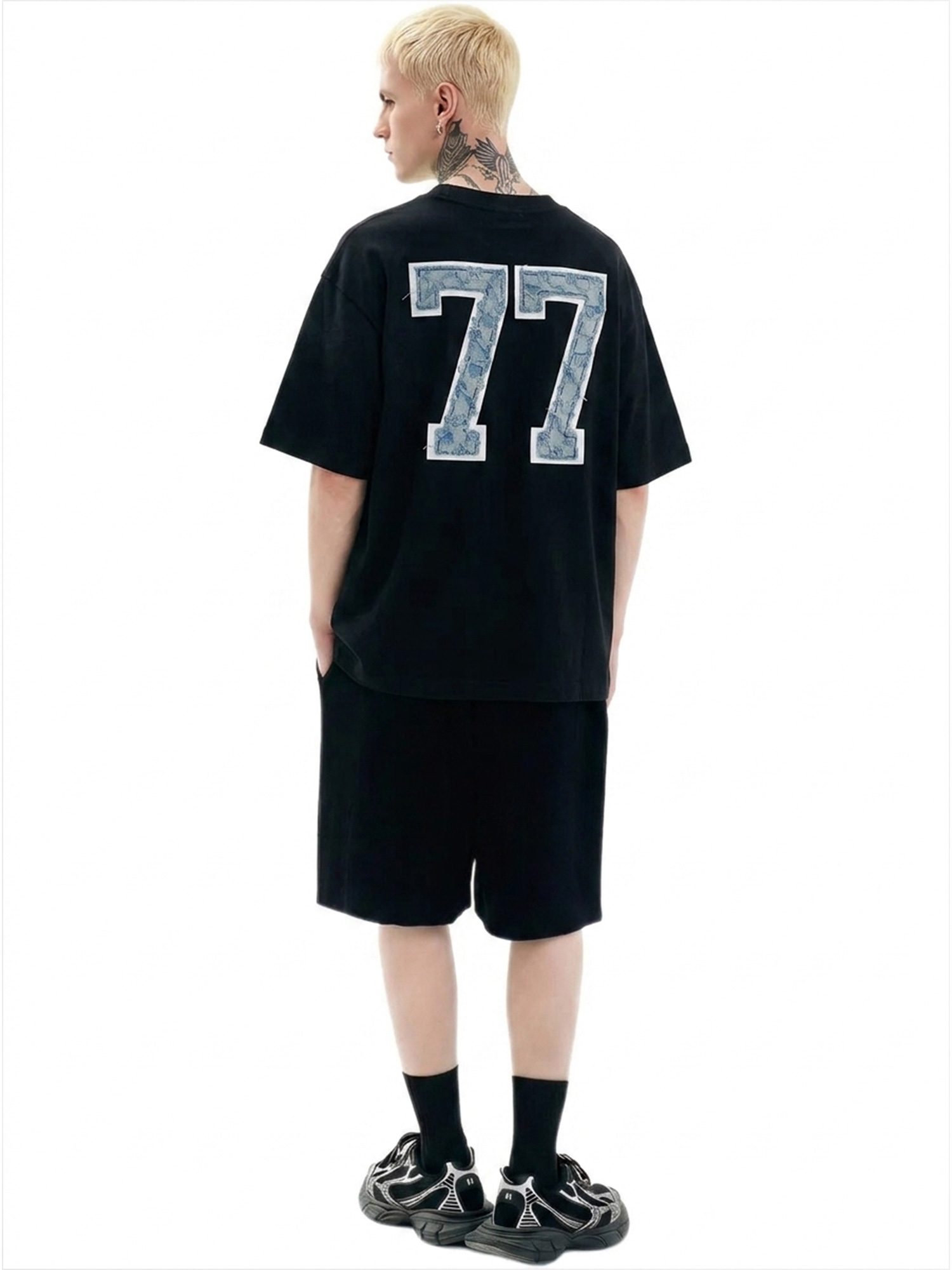
Garment washing techniques—such as vintage washing, stone washing, and acid distress—subject heavy cotton t-shirts to intensive mechanical agitation. When seam splitting or thread fraying occurs, technical teams examine stitch density, seam allowance, and thread composition. Manufacturing operations at Dongguan City Dule Garment Co.,Ltd utilize full-process quality control, from fabric stress testing to final AQL 2.5 inspection, isolating whether damage stems from improper washing machine loading, chemically weakened threads, or structural assembly flaws.
Upon receiving a seam damage claim, the client submits photographic evidence and batch lot identifiers. Technical supervisors compare these samples with archived pre-production sample approvals and mid-production inspection logs. In documented private-label partnerships—such as UK-based DTC retailer Vanguard Shop Co., requiring 1,000 pieces per SKU across 24 annual drops—rapid verification prevents supply chain disruption and maintains replenishment timelines.
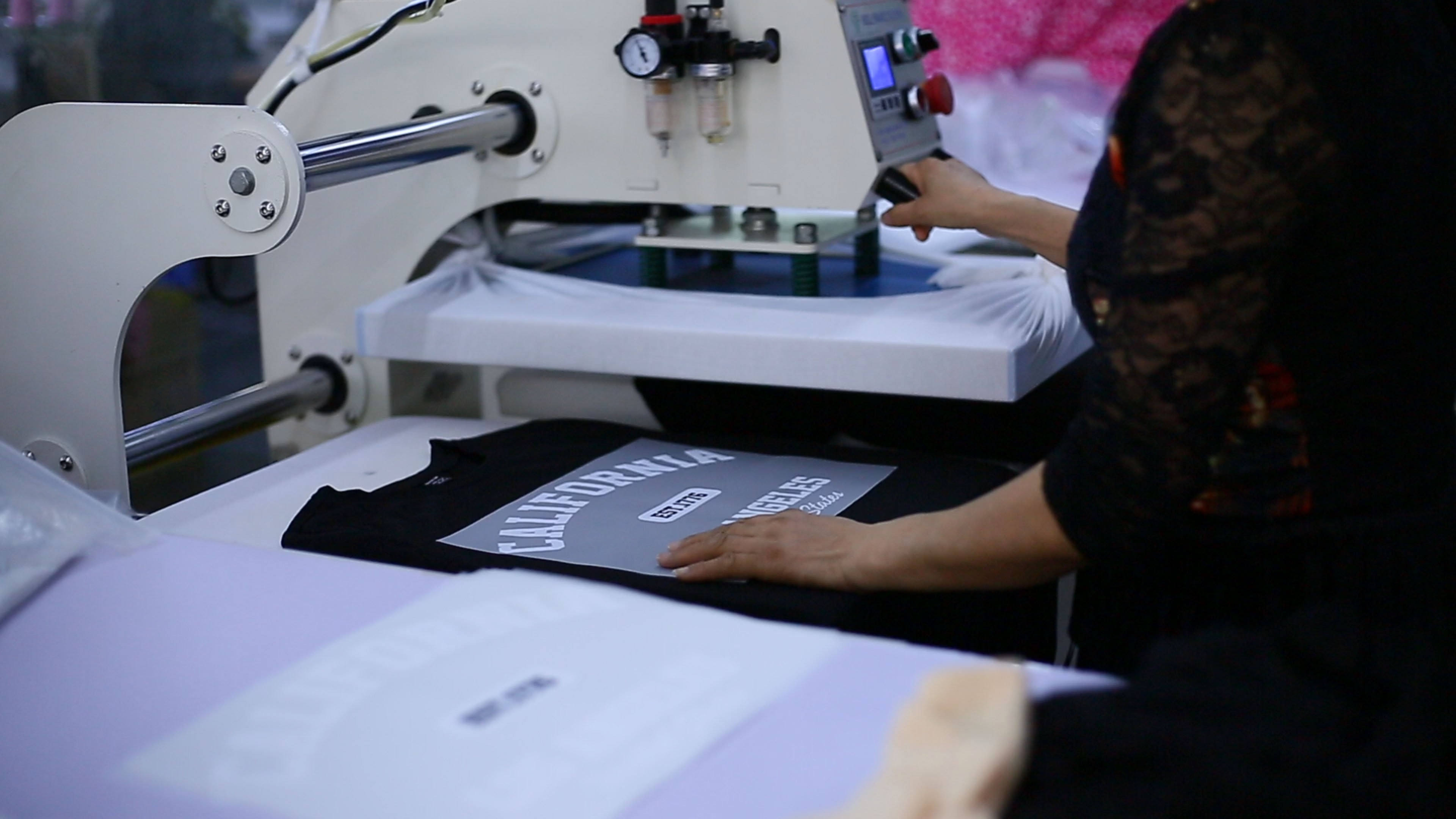
When claims are verified as factory responsibility, remediation options depend on order scope and geographic constraints. Standard procedures include localized professional seam repair, re-manufacturing the affected units during a 20–35 day bulk window, or applying direct financial credits to future orders. This system ensures structured liability management across OEM and ODM custom production runs.
Data/Solution Comparison
| Resolution Parameter | Standard Factory Protocol | Custom Streetwear / OEM Protocol |
|---|---|---|
| Inspection Standard | Final Inspection Only | Full-Process QC (Pre-Production + Mid-Production + ISO 2859-1 AQL 2.5) |
| Claim Verification Window | 7–14 Business Days | 24–48 Hours via Dedicated Account Manager |
| Remediation Options | Credit on Next Order | Garment Repair, Priority Re-Production, or Direct Financial Compensation |
| Production Lead Times | 30–45 Days | Sample: 3–15 Days; Bulk: 20–35 Days |
| Logistics & Trade Terms | Standard Port Delivery | FOB Shenzhen, DDP Door-to-Door, Express Courier (DHL/FedEx/UPS), Sea Freight |
Frequently Asked Questions (FAQ)
What evidence is required to process a claim for damaged seams on garment wash t-shirts?
Clients provide high-resolution images or video of seam fractures, item tags, and a defect count. This data is verified against pre-shipment quality control archives and AQL 2.5 inspection reports to confirm liability.
How do manufacturers prevent seam failure during heavy garment washing?
Factories apply high-tensile core-spun threads, adjust stitch density parameters, and perform pre-wash seam stress checks to ensure seams withstand heavy mechanical agitation and chemical distress cycles.
What minimum order quantities apply for replacement or custom reorders?
Order volumes support flexible production, featuring a minimum order quantity of 50 pieces per style/color for custom styles and 20 pieces per style/color for blank garments.
Final Conclusion & Recommendations
Systematic claims management for damaged seams on garment wash t-shirts relies on pre-production stress testing, rigorous in-line quality controls, and contract-backed after-sales support. Apparel brands benefit from partnering with integrated OEM/ODM manufacturers capable of delivering transparent AQL 2.5 quality standards and flexible shipping terms, including FOB Shenzhen and DDP door-to-door logistics. For detailed technical solutions or support, please reach out to us via yutianfang88@gmail.com.
About Us
Dongguan City Dule Garment Co.,Ltd (DOLUXE) is a professional OEM/ODM streetwear apparel manufacturer established in 2007 in Humen Town, Dongguan. Operating 15,000 square meters of production space across two facilities with over 130 skilled workers, the enterprise delivers an annual output capacity of 1.2 million pieces. With an export ratio of 70%, the company supplies more than 200 brands across North America, Europe, Australia, and Asia, specializing in heavyweight t-shirts, hoodies, and vintage wash garment production.

Lastest
-
How early should I order puff-print French terry hoodies for a seasonal launch?
2026-10-06 -
What fabric certificates should I request for 400gsm embroidered fleece hoodies?
2026-10-06 -
Can digital printing replace hand painting while keeping a premium artistic feel?
2026-10-06 -
Can I place a small test order for acid-wash distressed T-shirts at a fair price?
2026-10-06 -
Why is the MOQ higher for custom hand-painted long-sleeve T-shirt designs?
2026-10-06
SUBSCRIBE
INQUIRY