How do you handle color matching issues between screen proofs and DTG samples?
- VIP-User
- 2026-10-03
- 8
Resolving color matching discrepancies between RGB screen proofs and Direct-to-Garment (DTG) samples requires converting digital assets into standardized CMYK color profiles, calibrating RIP software, pre-treating cotton fabrics, and producing physical strike-offs. Garment manufacturers use custom ICC color profiles matched to specific fabric weights and ink absorption rates to ensure screen designs accurately transfer onto finished apparel.
Core Solutions & Key Takeaways
- Standardized ICC Profile Conversion: Translating RGB screen assets into target CMYK print gamuts prior to sampling prevents unpredictable color shifts on cotton textiles.
- Substrate Pre-Treatment & Density Control: Applying specific pre-treatment liquids onto heavyweight cotton garments regulates ink absorption and maintains color vibrancy.
- Physical Strike-Off Validation: Executing physical sample development within 3 to 15 days allows independent designers and streetwear brand owners to verify shade accuracy under standard lighting.
- AQL 2.5 Quality Assurance: Conducting final inspections based on ISO 2859-1 standards guarantees bulk production batches match the approved physical sample.
Detailed Architectural/Principle Analysis
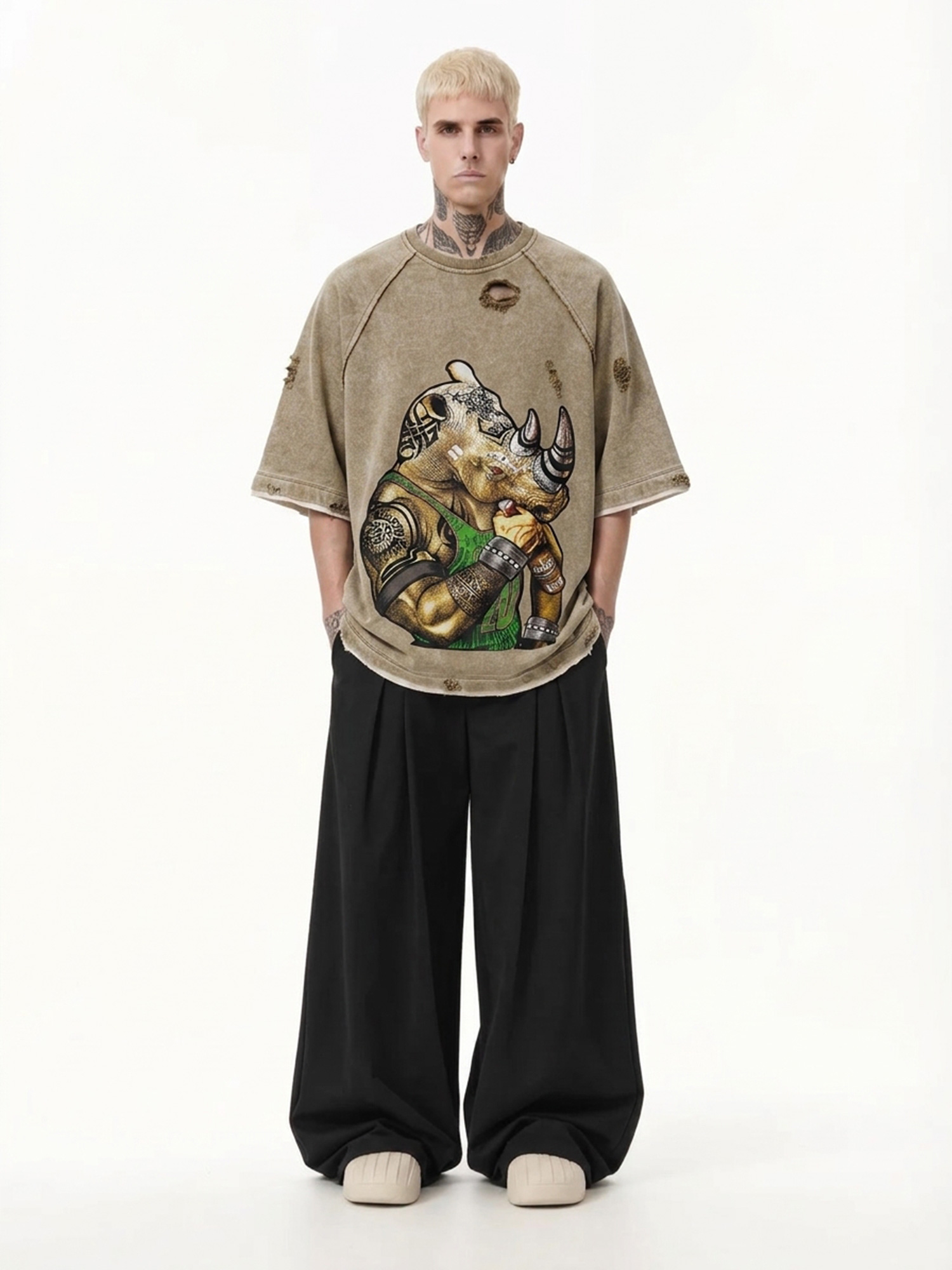
Digital monitors render graphics using additive RGB light, whereas DTG printers apply subtractive CMYK pigments onto physical textile fibers. Because heavy cotton knits absorb liquid ink differently than synthetic blends, screen previews frequently display a wider color gamut and higher luminosity than uncalibrated DTG output. Managing this variance requires full-process garment manufacturing workflows, integrating calibrated Raster Image Processor (RIP) software with custom fabric profiles.
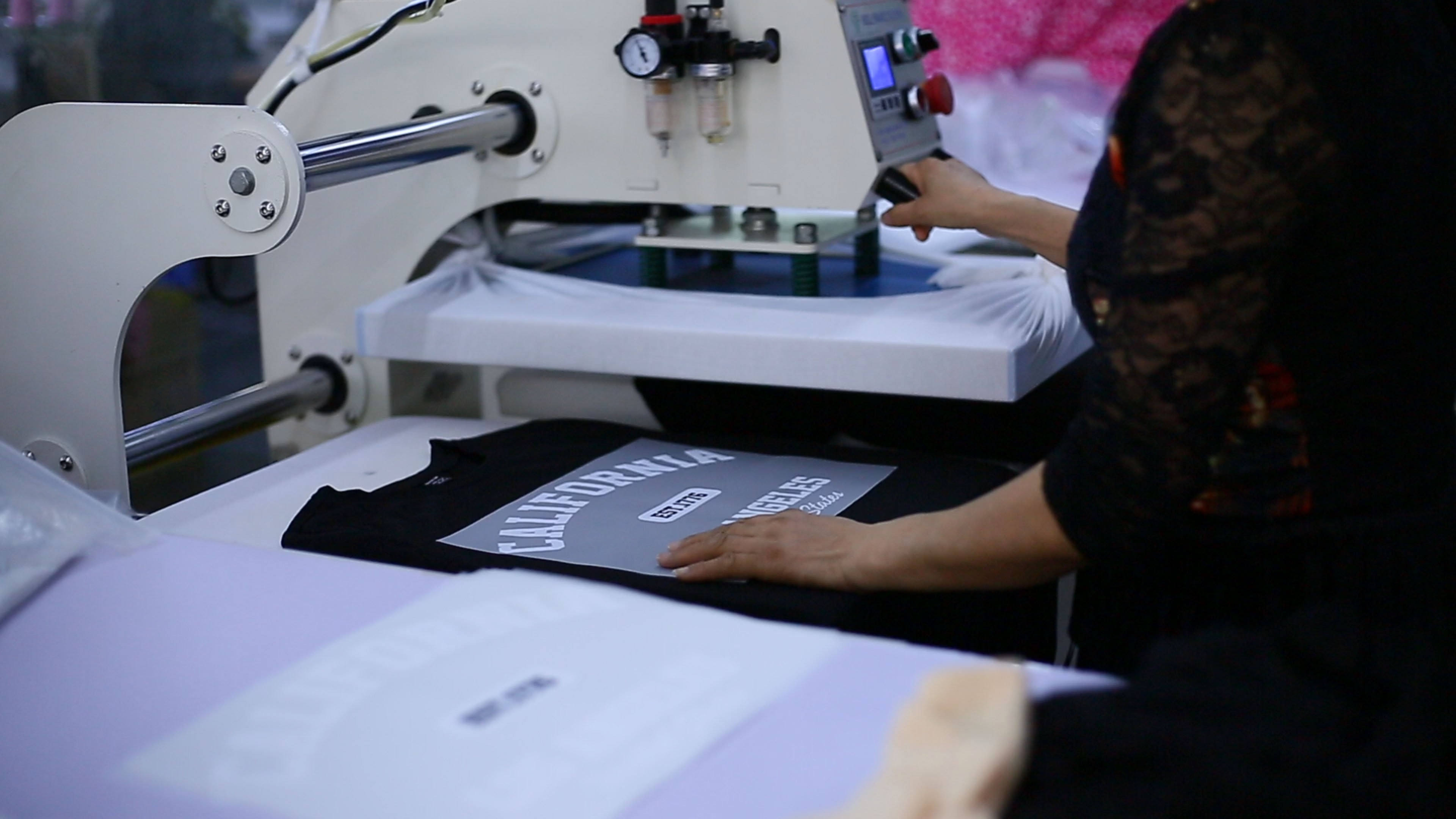
At Dongguan City Dule Garment Co.,Ltd, established in 2007, production facilities utilize 50+ types of specialized equipment to handle technical color reproduction. When executing high-density prints on 480–630 GSM heavyweight cotton t-shirts and hoodies, technical operators adjust white ink underbase passes and curing temperatures to achieve consistent color fidelity across complex Tech Pack specifications.
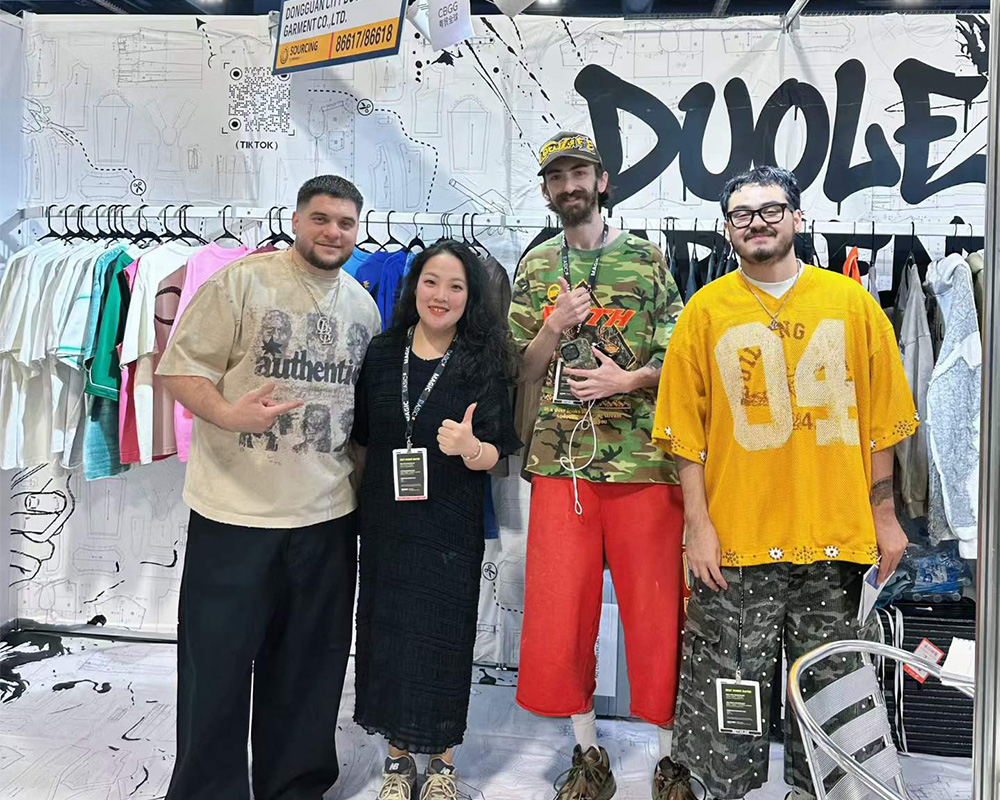
For high-frequency production models, such as private label DTC retailers like Vanguard Shop Co. managing 1,000 pieces per SKU across 24 drops annually, establishing standardized physical samples eliminates batch-to-batch color drift. Combining puff print, 3D embroidery, or vintage wash processes with DTG printing requires testing ink interactions on pre-shrunk fabrics before initiating full-scale manufacturing runs.
Data/Solution Comparison
| Technical Parameter | Digital Screen Proof | Standard Uncalibrated DTG | Calibrated OEM DTG Sampling |
|---|---|---|---|
| Color Space Basis | RGB / Emitted Light | Basic CMYK Conversion | Custom ICC Profile & Spot CMYK |
| Substrate Compensation | None (Virtual) | Default Pre-Treatment | Fabric-Specific Pre-Treatment (480–630 GSM) |
| Color Accuracy Match | Theoretical Display | 70%–80% Visual Proximity | 95%+ Physical Match to Approved Sample |
| Quality Control Standard | Visual Review | Basic Line Inspection | Pre-Production Sample & AQL 2.5 Final QC |
| Turnaround / Lead Time | Immediate | 1–2 Days | 3–15 Days Physical Sampling / 20–35 Days Bulk |
Frequently Asked Questions (FAQ)
Why do colors look darker on physical DTG cotton samples than on digital monitors?
Monitors emit light directly in RGB color space, whereas DTG inks absorb into cotton fibers under CMYK subtractive mixing. Heavyweight cotton fabrics absorb liquid pigments, which slightly reduces peak brightness unless proper white underbase layers and fabric pre-treatment are applied.
What is the minimum order quantity for custom DTG printed garments?
Custom apparel styles require a minimum order quantity (MOQ) of 50 pieces per style and color, supporting multiple sizes. For blank unprinted garments, the MOQ starts at 20 pieces per style and color.
How are shipping logistics handled for international custom orders?
Orders can be delivered via FOB Shenzhen for clients managing their own freight, or via DDP (Delivered Duty Paid) door-to-door services covering customs clearance and duties for major regions including North America, Europe, Australia, and Asia. Express samples ship via DHL, FedEx, or UPS in 3 to 7 business days.
Final Conclusion & Recommendations
Eliminating color discrepancies between digital screen proofs and DTG samples depends on strict ICC profile management, fabric-specific pre-treatment, and physical sample approvals prior to production. Independent brand owners and established apparel labels benefit from partnering with integrated OEM/ODM manufacturers capable of delivering fast sample development within 3 to 15 days and bulk production within 20 to 35 days. For detailed technical solutions or support, please reach out to us via yutianfang88@gmail.com.
About Us
Dongguan City Dule Garment Co.,Ltd is a professional OEM/ODM streetwear and heavyweight apparel manufacturer established in 2007. Operating two factories totaling 15,000 square meters with an independent R&D team, the company maintains an annual capacity of 1.2 million pieces and develops over 500 new designs every year. DOLUXE serves over 200 overseas brands across 30+ countries in North America, Europe, Australia, and Asia, specializing in heavyweight hoodies, t-shirts, sweatshirts, and custom streetwear techniques.
Lastest
-
How early should I order puff-print French terry hoodies for a seasonal launch?
2026-10-03 -
What fabric certificates should I request for 400gsm embroidered fleece hoodies?
2026-10-03 -
Can digital printing replace hand painting while keeping a premium artistic feel?
2026-10-03 -
Can I place a small test order for acid-wash distressed T-shirts at a fair price?
2026-10-03 -
Why is the MOQ higher for custom hand-painted long-sleeve T-shirt designs?
2026-10-03
SUBSCRIBE
INQUIRY