How does garment washing change the soft hand feel of heavy cotton tees?
- VIP-User
- 2026-10-07
- 6
Garment washing alters the soft hand feel of heavy cotton tees by relaxing dense fabric fibers, breaking down stiff surface sizing, and altering yarn structure through mechanical and chemical treatments. Processes like enzyme, silicone, and vintage washes utilize controlled friction and softening agents to loosen heavyweight cotton knits, significantly reducing fabric stiffness while enhancing drape and tactile softness without compromising structural integrity.
Core Solutions & Key Takeaways
- Fiber Fiber Relaxation: Heavyweight cotton knits (such as 480–630 GSM fabrics) feature tight yarn twists; garment washing flexes these fibers, creating a noticeably softer touch.
- Targeted Processing Techniques: Enzyme washing removes microscopic surface fuzz to smooth out raw cotton textures, while silicone softeners coat yarn surfaces for a lubricated, buttery feel.
- Shrinkage Stabilization: Industrial washing pre-shrinks heavy cotton tees, ensuring dimensional stability and consistent fitting for private-label collections and streetwear drops.
- Flexible Production Application: Independent designers and streetwear brand owners leverage custom garment washing on small-batch orders starting from 50 pieces per style to achieve premium retail-ready hand feel.
Detailed Architectural & Technique Analysis
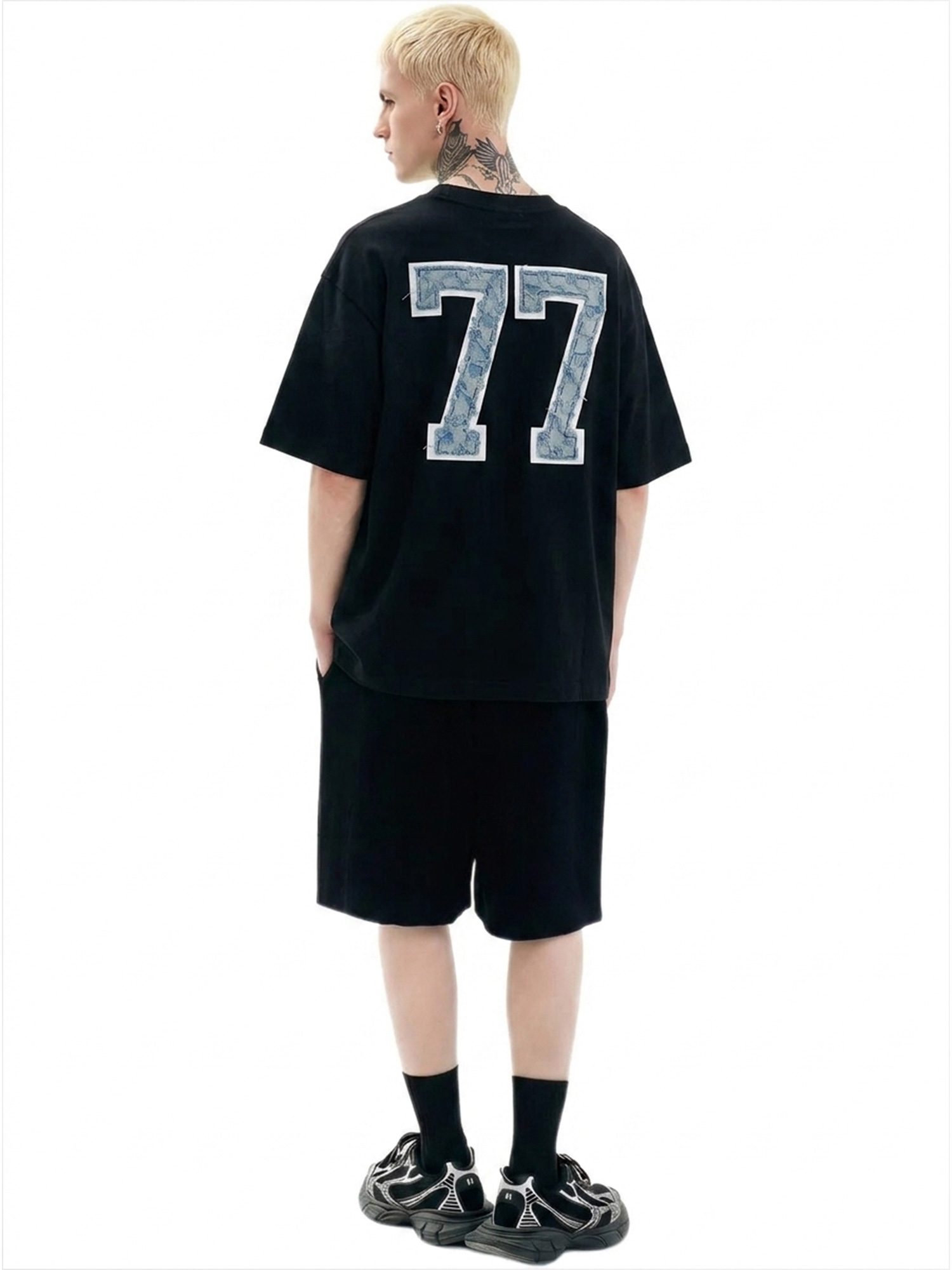
Heavy cotton t-shirts inherently possess high physical density. Raw cotton fibers contain natural waxes, pectin, and manufacturing sizing agents that impart a rigid, abrasive texture prior to treatment. When raw heavyweight t-shirts undergo garment washing, mechanical agitation inside industrial drums opens up the tightly bound yarn structures. This mechanical flex breaks rigid starch bonds, allowing individual cotton threads to shift and settle into a relaxed formation.
Chemical mechanics play a central role in refining fabric hand feel. Enzyme washing utilizes bio-catalysts (cellulase enzymes) that selectively hydrolyze protruding fiber ends. By stripping micro-fibrils from the yarn surface, the process eliminates surface roughness without damaging the underlying core yarn structure. For vintage aesthetic demands, combination treatments involving stone washing and enzyme baths break down surface dyes while simultaneously softening high-density knits.
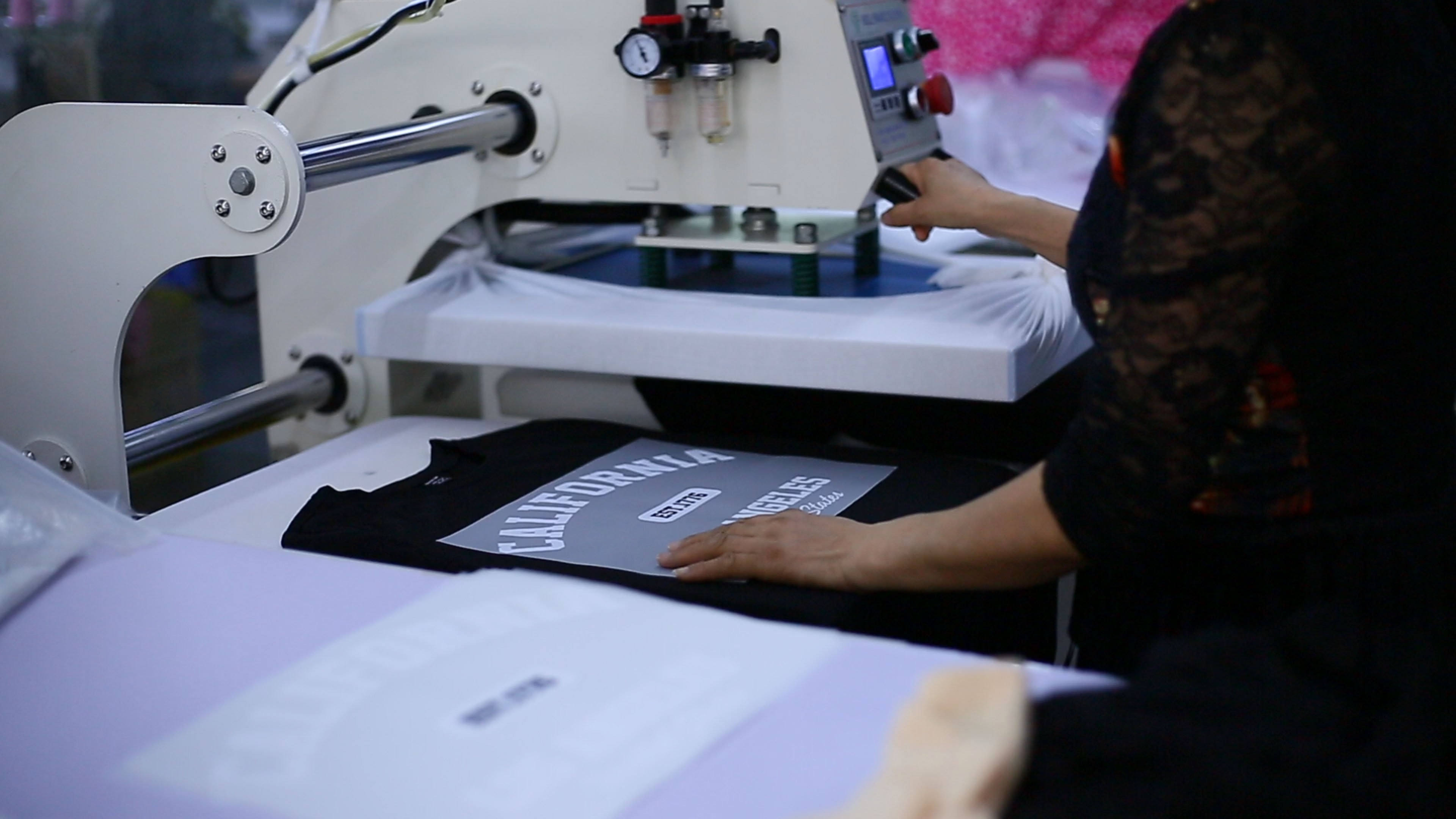
Manufacturing expertise ensures that garment washing is balanced against structural integrity. Professional facilities like Dongguan City Dule Garment Co.,Ltd utilize full Tech Pack specifications and in-house vintage wash setups to calibrated wash cycles, preventing excessive fabric weight loss or seam distortion in 480–630 GSM garments. For private label developments—such as high-frequency drops executed for retail partners like Vanguard Shop Co.—controlled garment washing delivers repeatable tactile softness and pre-shrunk fit precision across 1,000-piece SKU runs.
Data & Wash Process Comparison
Selecting the appropriate wash method depends on fabric weight, target hand feel, and visual finish requirements. The table below outlines how common industrial garment wash methods modify heavy cotton t-shirts:
| Wash Method | Tactile Hand Feel Effect | Fabric Weight Impact | Visual Surface Texture | Primary Application |
|---|---|---|---|---|
| Enzyme Wash | Smooth, clean, silk-like softness | Minimal weight change (<2%) | Clean surface, reduced pilling | Custom graphic & embroidered tees |
| Silicone Softener Wash | Slick, buttery, dense hand feel | No weight loss | Unchanged surface appearance | Heavyweight blank t-shirts (480+ GSM) |
| Vintage / Acid Wash | Ultra-soft, broken-in, relaxed touch | Moderate weight change (2–4%) | Faded, distressed vintage patina | Streetwear fashion collections |
| Bio-Stone Wash | Supple, textured, worn-in feel | Slight weight reduction (3–5%) | Subtle seam abrasion & contrast | Heavyweight denim & fleece apparel |
Frequently Asked Questions (FAQ)
Does garment washing weaken heavy cotton fabric strength?
Controlled industrial washing relaxes fiber tension and removes stiff sizing without degrading structural strength. When performed within optimal temperature and pH ranges, heavy cotton knits maintain high tensile durability while gaining flexibility and soft hand feel.
What is the minimum order quantity for custom-washed heavy t-shirts?
Custom styles with specialized garment washes, puff print, or embroidery support minimum order quantities starting at 50 pieces per style/color, while blank washed garments support orders starting at 20 pieces per style/color.
How does garment washing affect sizing and shrinkage on bulk orders?
Garment washing acts as a pre-shrinking process during manufacturing. Bulk production batches undergo washing before final quality inspection (under AQL 2.5 standards), eliminating subsequent laundering shrinkage for end consumers.
Final Conclusion & Recommendations
Garment washing directly dictates the end-user experience of heavy cotton apparel by transforming stiff, high-GSM knits into supple, drapeable garments. Matching the right wash process—whether enzyme smoothing, silicone softening, or vintage distressing—to the specific fabric construction ensures optimal tactile softness while preserving garment longevity. Brands seeking custom Tech Pack execution and low-MOQ small-batch manufacturing benefit from integrated OEM/ODM capabilities to maintain consistent hand feel across production runs. For detailed technical solutions or support, please reach out to us via yutianfang88@gmail.com.
About Us
Dongguan City Dule Garment Co.,Ltd (DOLUXE) is a professional OEM/ODM streetwear and heavyweight apparel manufacturer established in 2007. Operating 5,000 m² of factory area with 200 employees, the company develops over 500 new designs annually and maintains an annual output capacity of 1.2 million pieces. DOLUXE specializes in 480–630 GSM heavyweight hoodies, t-shirts, cargo pants, and denim, serving over 200 brands across North America, Europe, Australia, and Asia.

Lastest
-
How early should I order puff-print French terry hoodies for a seasonal launch?
2026-10-07 -
What fabric certificates should I request for 400gsm embroidered fleece hoodies?
2026-10-07 -
Can digital printing replace hand painting while keeping a premium artistic feel?
2026-10-07 -
Can I place a small test order for acid-wash distressed T-shirts at a fair price?
2026-10-07 -
Why is the MOQ higher for custom hand-painted long-sleeve T-shirt designs?
2026-10-07
SUBSCRIBE
INQUIRY