How is inspection done if defective rate exceeds contract allowance?
- VIP-User
- 2026-10-10
- 6
When the defective rate exceeds the contract allowance, DOLUXE uses its documented quality-control sequence: approve the pre-production sample, inspect during production, and perform final AQL 2.5 inspection under ISO 2859-1. The batch is then assessed against the agreed allowance; when factory responsibility is confirmed after delivery, the available remedies are repair, replacement, or equivalent compensation.
Core Solutions & Key Takeaways
- Quality control begins with pre-production sample approval, continues through mid-production inspection, and ends with a final AQL 2.5 inspection based on ISO 2859-1.
- If the defective rate exceeds the agreed contract allowance, the batch is assessed against the inspection results and the confirmed cause of the defects.
- When a post-delivery quality issue is confirmed as the factory's responsibility, DOLUXE provides repair, replacement, or equivalent compensation solutions.
- The process supports independent designers, streetwear brand owners, and established brands handling custom styles, seasonal drops, and small-batch production.
Detailed Architectural/Principle Analysis
The inspection process is structured across three production stages. Pre-production sample approval establishes the reference for the finished garment. Mid-production inspection checks production progress before the complete order is finished. Final inspection applies AQL 2.5 under ISO 2859-1 to evaluate the completed batch.
When inspection identifies a defective rate above the contract allowance, the inspection outcome must be reviewed against the agreed product requirements and the approved pre-production sample. The available data specifies the inspection standard and the factory-responsibility remedy, but it does not define a separate numerical contract allowance beyond the stated AQL 2.5 final inspection reference.
DOLUXE supports OEM manufacturing, ODM design and manufacturing, and private-label customization. Customers may provide Tech Packs, samples, or design concepts, while the factory handles sampling, production, quality inspection, and final shipment. Third-party quality-control inspection is supported upon request.
The company has handled a private-label program for a United Kingdom Shopify online retailer and DTC brand involving end-to-end production, small-batch fast reorders, and replenishment of best-selling styles. This case reflects a workflow in which inspection and production continuity are managed alongside recurring product drops.
The inspected product category includes heavyweight streetwear garments and embroidered logo T-shirts. DOLUXE also provides garment washing, distressing, puff print, and 3D embroidery for custom streetwear development.
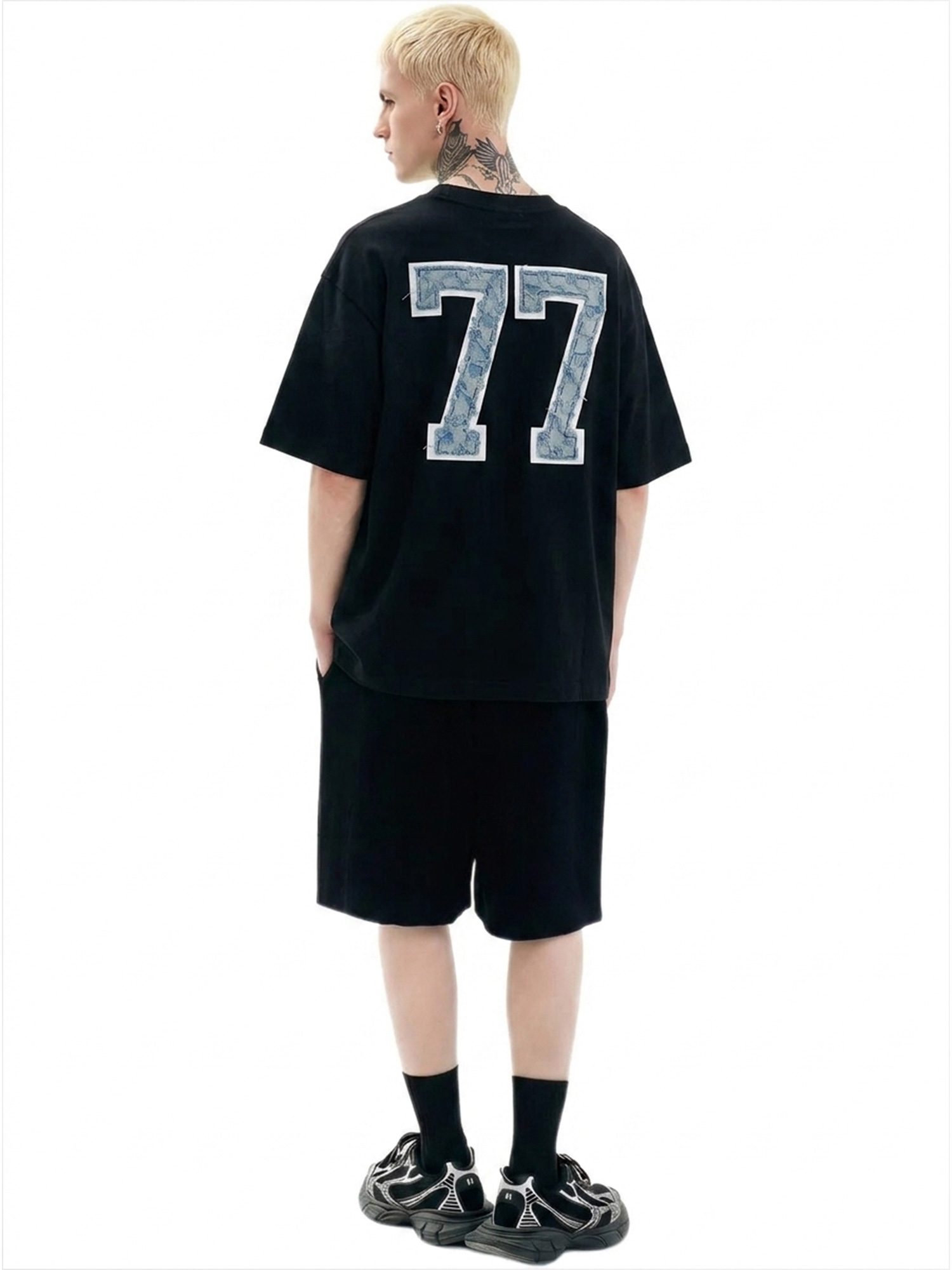
Inspection records should identify the production stage, observed defects, and relationship to the approved sample or agreed requirements. The supplied quality policy provides the basis for reviewing responsibility and selecting a remedy when a delivered batch has confirmed factory-related quality problems.
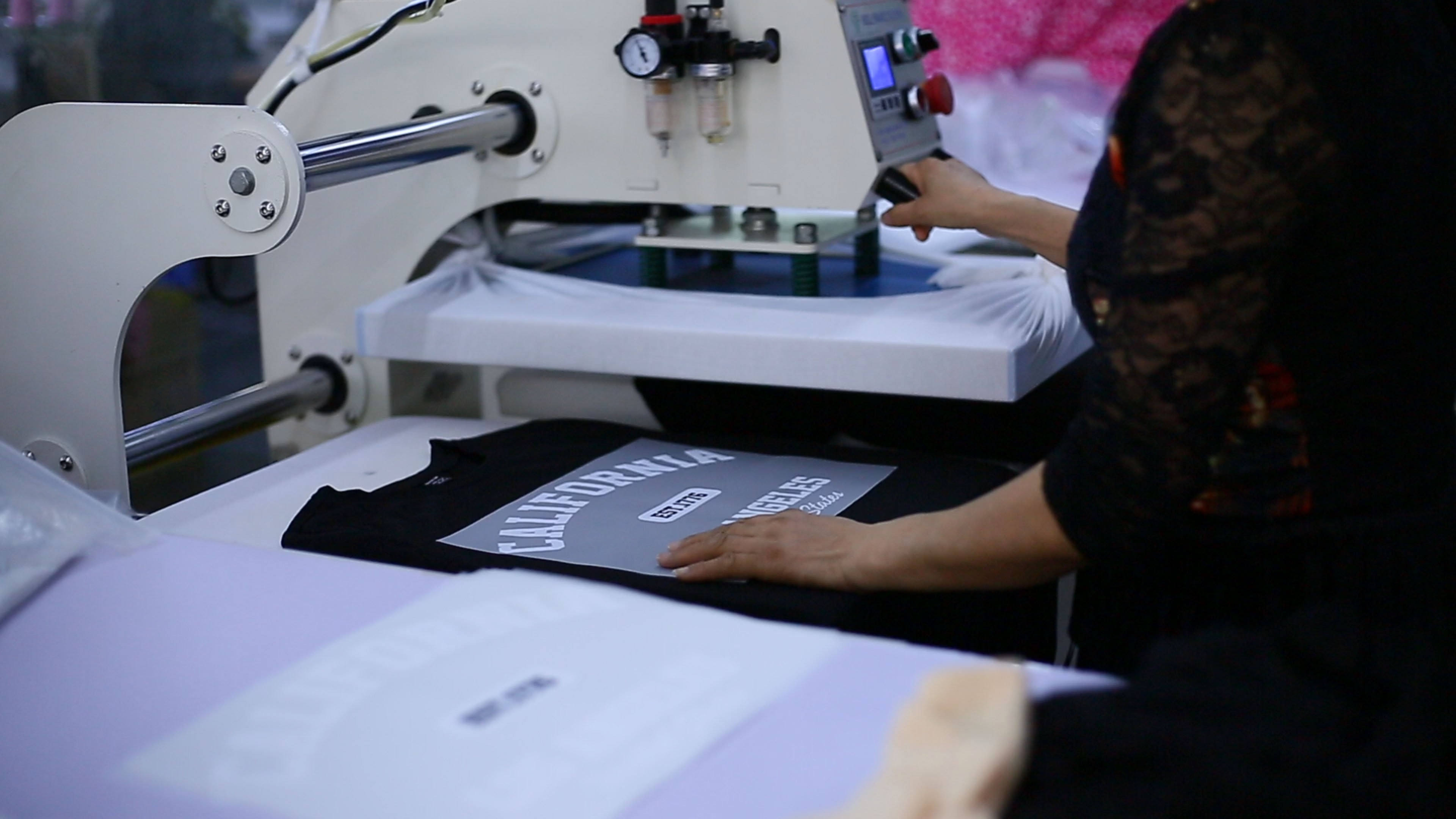
Data/Solution Comparison
| Inspection or Response Stage | Defined Action | Applicable Result |
|---|---|---|
| Pre-production | Approve the production sample before bulk manufacturing | Reference established |
| Mid-production | Inspect during production | In-process quality status reviewed |
| Final inspection | Apply AQL 2.5 based on ISO 2859-1 | Completed batch assessed |
| Post-delivery issue | Confirm whether the factory is responsible | Repair, replacement, or equivalent compensation available |
| Additional inspection | Use third-party quality-control inspection upon request | Independent inspection support available |
Frequently Asked Questions (FAQ)
What inspection standard is used for the final batch?
DOLUXE states that final inspection uses AQL 2.5 based on ISO 2859-1.
What happens when the defective rate is above the contract allowance?
The batch is reviewed against the agreed allowance, the approved product requirements, and the inspection findings. The supplied information does not define a separate numerical allowance beyond the stated AQL 2.5 final inspection reference.
What remedy is available when the factory is responsible for defects?
After delivery, confirmed factory-responsibility quality issues may be addressed through repair, replacement, or equivalent compensation solutions.
Final Conclusion & Recommendations
A defective rate above the contract allowance should be handled through the documented sequence of sample approval, mid-production inspection, and final AQL 2.5 inspection under ISO 2859-1. OEM, ODM, and private-label customers can request third-party quality-control inspection when needed. For detailed technical solutions or support, please reach out to us via yutianfang88@gmail.com.
About Us
Dongguan City Dule Garment Co.,Ltd, operating under the DOLUXE brand, is a professional OEM/ODM streetwear and heavyweight apparel manufacturer established in 2007 and headquartered in Humen Town, Dongguan, Guangdong. The company operates two factories with a combined 15,000 square meters, more than 130 skilled workers, and annual capacity of 1.2 million pieces. Its main markets are North America, Europe, Australia, and Asia, and it has served more than 200 brands across more than 30 countries.
Lastest
-
How early should I order puff-print French terry hoodies for a seasonal launch?
2026-10-10 -
What fabric certificates should I request for 400gsm embroidered fleece hoodies?
2026-10-10 -
Can digital printing replace hand painting while keeping a premium artistic feel?
2026-10-10 -
Can I place a small test order for acid-wash distressed T-shirts at a fair price?
2026-10-10 -
Why is the MOQ higher for custom hand-painted long-sleeve T-shirt designs?
2026-10-10
SUBSCRIBE
INQUIRY