How to resolve color discrepancy disputes between batch mineral wash orders?
- VIP-User
- 2026-10-07
- 3
Resolving color discrepancy disputes between batch mineral wash orders requires establishing standard shade tolerance bands prior to production, conducting pre-production sample approval, and utilizing ISO 2859-1 AQL 2.5 quality control standards. When variations occur, manufacturers evaluate batch lots against signed physical master samples under standardized D65 lighting to determine if re-washing, color alignment, or commercial compensation applies.
Core Solutions & Key Takeaways
- Establish Range Boards (Shade Bands): Define acceptable minimum and maximum fading variations on physical fabric swatches before bulk manufacturing to account for natural pumice stone and chemical wash variables.
- Standardized Inspection Protocols: Implement ISO 2859-1 AQL 2.5 inspection guidelines across pre-production samples, mid-production, and final garment packing to catch shade drift early.
- Targeted Remediation Protocols: Apply corrective re-washing, secondary dye-stripping, or batch re-tinting when garments fall outside agreed-upon tolerances; offer factory replacement or financial compensation for unfixable defect rates.
- Tailored Workflows for Brand Types: Align production strategies for independent designers, DTC brand owners, and established streetwear labels running custom 50-piece drops or large-scale private label programs.
Detailed Architectural/Principle Analysis
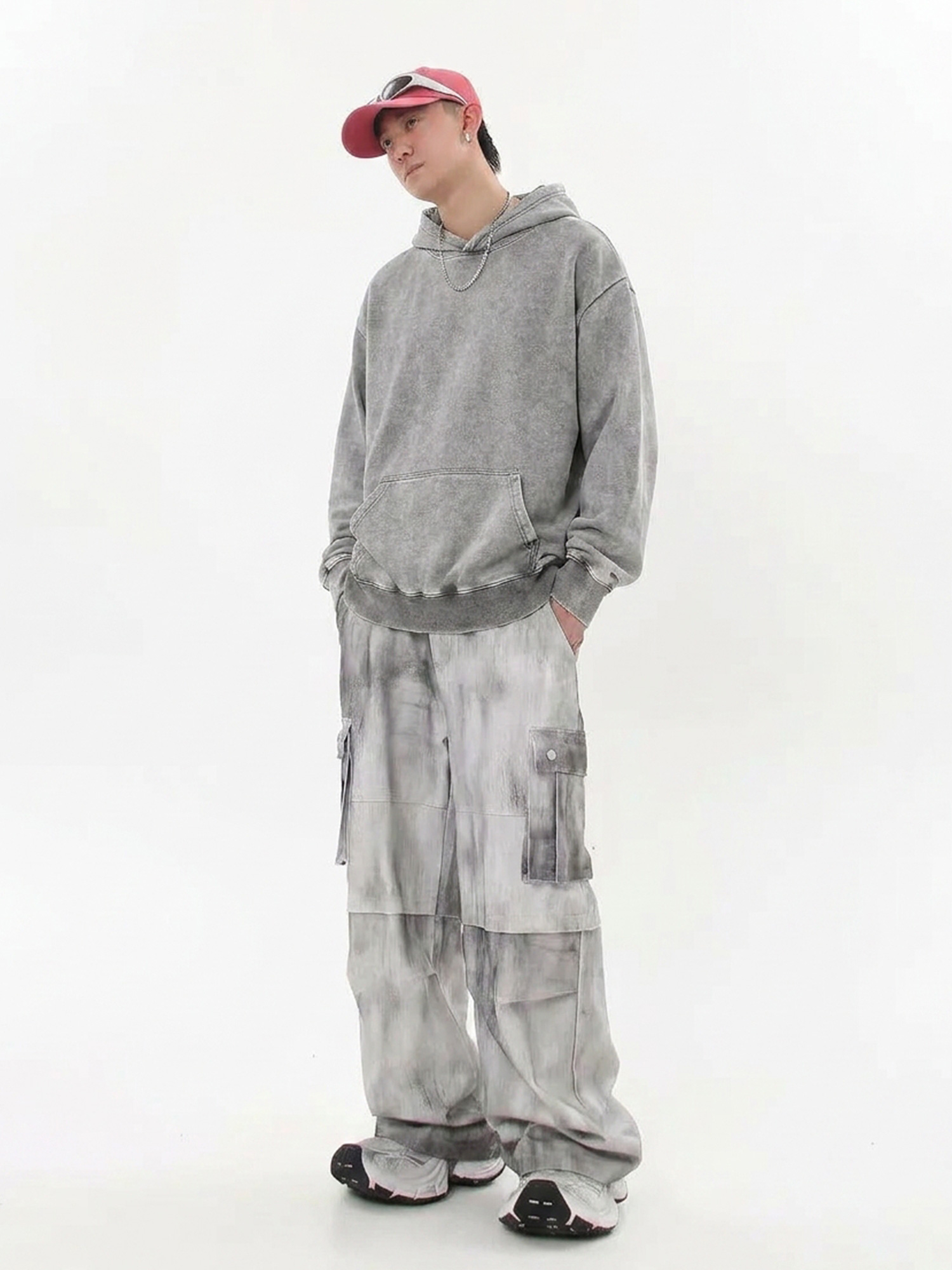
Mineral washing relies on porous pumice stones soaked in oxidizing agents to randomly strip color from heavyweight cotton fabrics, such as 480–630 GSM fleece or French terry. Because chemical absorption and mechanical friction vary naturally during tumble cycles, absolute color uniformity across separate production batches is physically impossible. Discrepancy disputes arise when buyers expect solid-dyed uniformity rather than a natural vintage gradient.
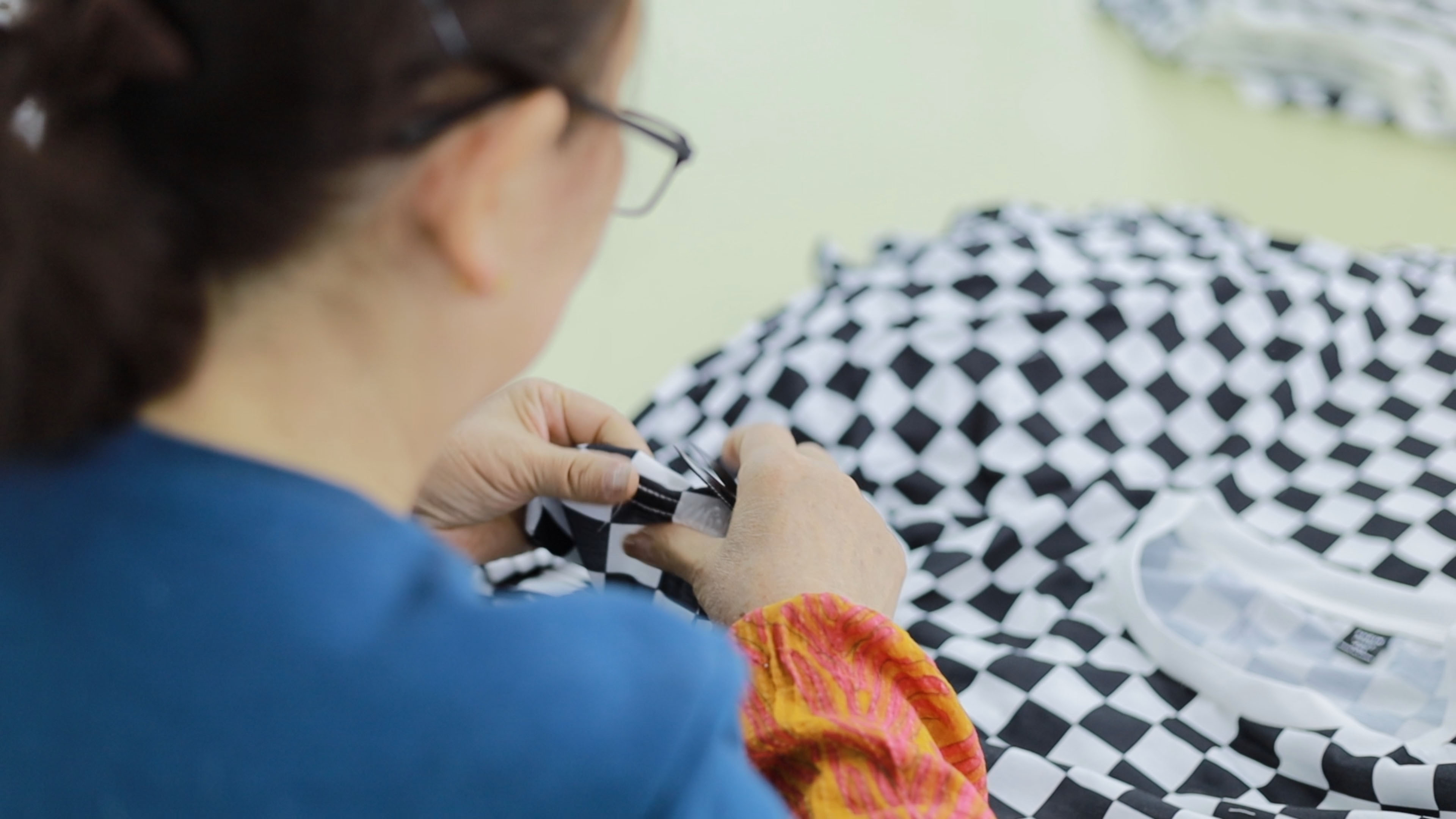
To mitigate disputes, manufacturers like Dongguan City Dule Garment Co.,Ltd establish physical range boards containing light, medium, and dark limit samples. Each batch lot of vintage hoodies, cargo pants, or t-shirts is evaluated under standardized D65 light boxes. If a finished batch deviates past the signed shade boundary, quality control managers execute mid-production inspections to identify whether the variance stems from dye-lot shifts in greige fabric or inconsistent wash cycle timing.
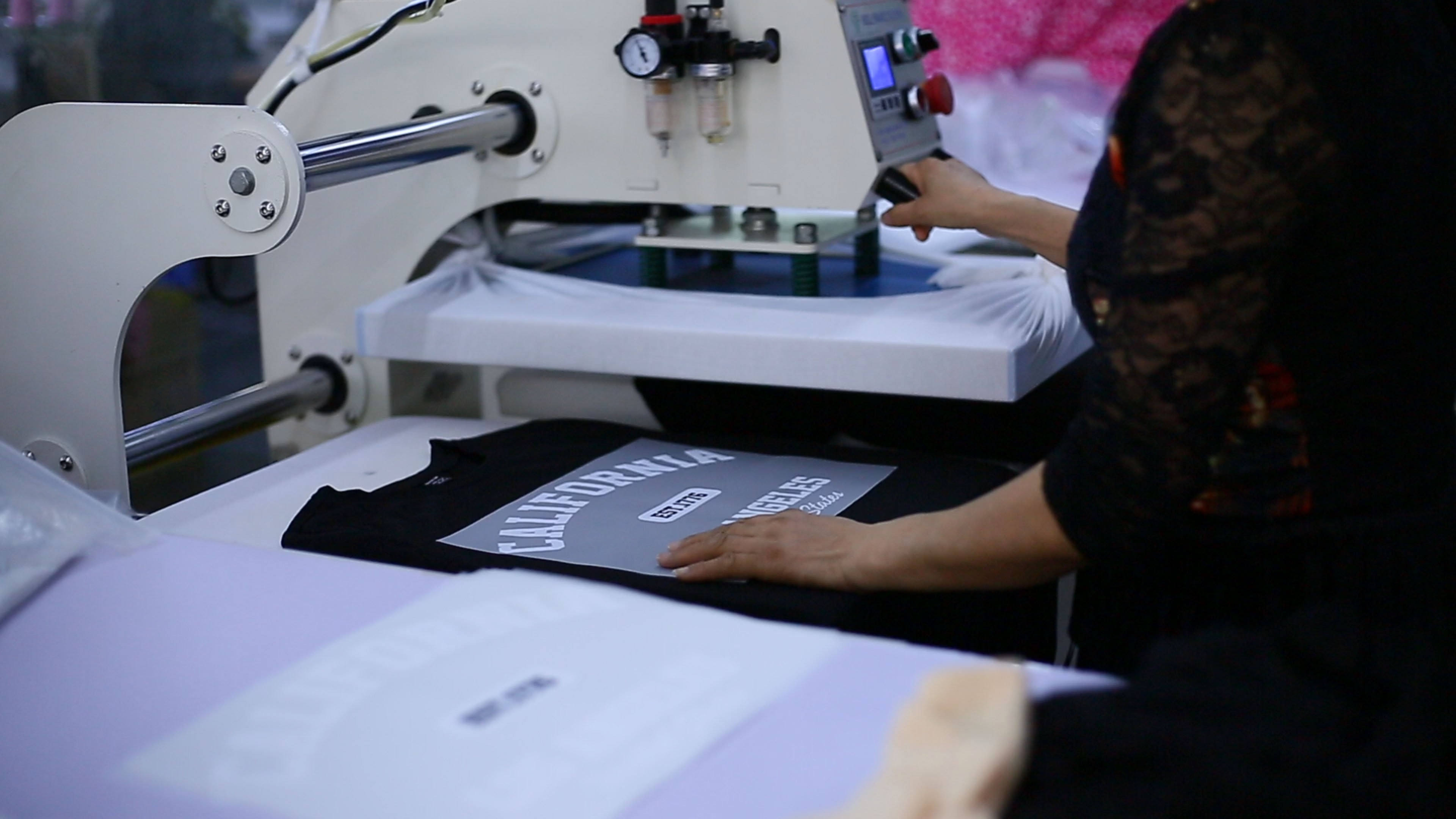
When batch defects occur and are confirmed to be factory responsibilities, standardized protocols govern resolution. Re-washing or specialized strip-washing can neutralize overly dark batches, while unfixable variations qualify for full batch repair, replacement, or equivalent compensation. Case data from private label programs, such as Vanguard Shop Co. in the United Kingdom managing 1,000 pcs per SKU drops, demonstrates that agreed-upon shade limits combined with 50-piece minimum order quantities streamline fast reorders without triggering color claims.
Data/Solution Comparison
| Dispute Resolution Parameter | Subjective Visual Claim | Standardized Technical Inspection | DOLUXE Quality Control Standard |
|---|---|---|---|
| Shade Baseline | Unapproved digital mockups | Approved single master sample | Physical 3-tier Range Board (Light/Mid/Dark) |
| Inspection Method | Ambient retail lighting | Standardized D65 light box | ISO 2859-1 AQL 2.5 standard light box |
| Tolerated Shade Shift | 0% variance expected | Delta E < 1.5 standard | Defined vintage gradient tolerance band |
| Corrective Action | Immediate order rejection | Negotiated discount | Re-wash, replacement, or compensation |
Frequently Asked Questions (FAQ)
What is the standard shade tolerance for batch mineral wash apparel orders?
Mineral wash garments inherently display batch-to-batch variation. Standard industry practices utilize a physical Range Board defining light, medium, and dark limits rather than a single solid color reference, allowing natural vintage fading within a controlled spectrum.
How can streetwear brands prevent color variance disputes before bulk production?
Brands should request pre-production sample approval, sign off on multi-tone shade bands, and verify Tech Pack specifications including fabric weight, base dye composition, and vintage wash parameters prior to launching bulk orders.
What remedies exist if a mineral wash batch fails quality inspection?
If a batch exceeds agreed shade tolerances due to factory processing errors, solutions include chemical re-washing to lighten dark tones, over-dyeing, garment replacement, or financial compensation based on final AQL 2.5 inspection findings.
Final Conclusion & Recommendations
Managing color consistency in mineral wash apparel requires moving from arbitrary visual expectations to structured quality control metrics. By pairing pre-production range boards with ISO 2859-1 AQL 2.5 inspection parameters, streetwear brands and custom manufacturers prevent delivery delays. Support for flexible trade terms like FOB Shenzhen and DDP door-to-door, alongside payment options like Bank Transfer and Alipay, ensures seamless logistics from initial sample development in 3–15 days to bulk delivery within 20–35 days. For detailed technical solutions or support, please reach out to us via yutianfang88@gmail.com.
About Us
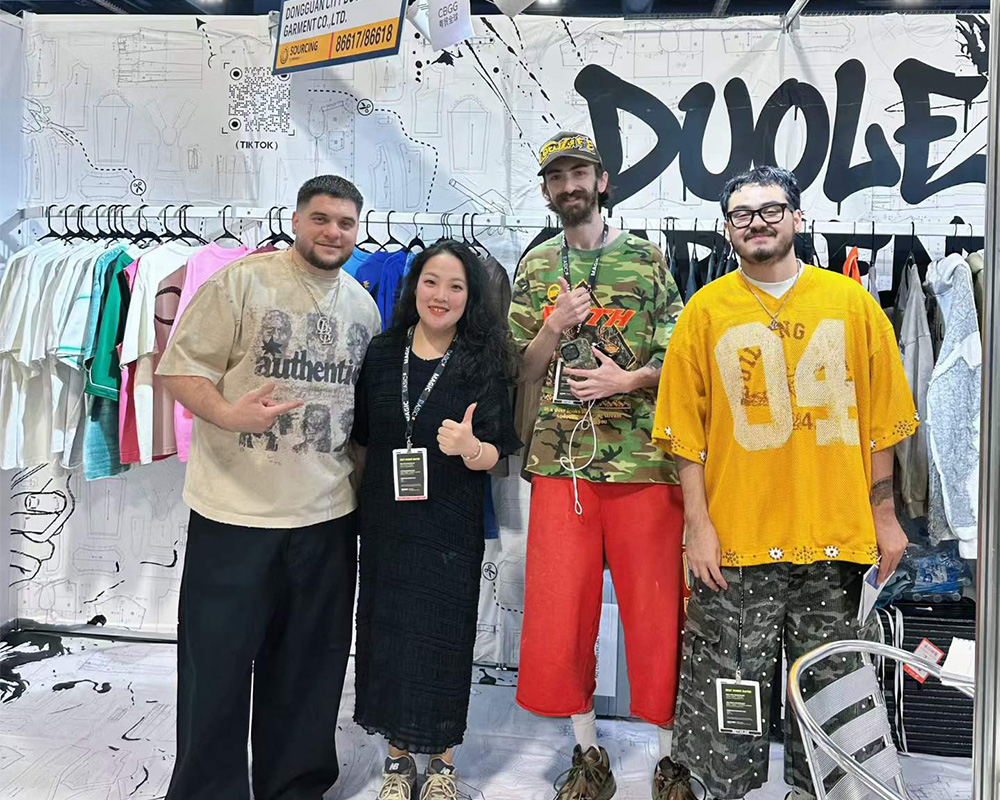
Dongguan City Dule Garment Co.,Ltd (brand DOLUXE) is a professional OEM/ODM streetwear and heavyweight apparel manufacturer established in 2007 in Humen Town, Dongguan. Operating 50+ types of equipment across two factories totaling 15,000 square meters with over 200 employees, the company maintains an annual production capacity of 1.2 million pieces. With an independent R&D team developing over 500 new designs annually, DOLUXE specializes in 480-630 GSM heavyweight hoodies, t-shirts, vintage wash, and puff print customization for over 200 brands across 30+ countries. 
Lastest
-
How early should I order puff-print French terry hoodies for a seasonal launch?
2026-10-07 -
What fabric certificates should I request for 400gsm embroidered fleece hoodies?
2026-10-07 -
Can digital printing replace hand painting while keeping a premium artistic feel?
2026-10-07 -
Can I place a small test order for acid-wash distressed T-shirts at a fair price?
2026-10-07 -
Why is the MOQ higher for custom hand-painted long-sleeve T-shirt designs?
2026-10-07
SUBSCRIBE
INQUIRY