Is digital painting printing replacing authentic manual hand painting on tees?
- VIP-User
- 2026-10-03
- 4
Digital painting printing is not fully replacing authentic manual hand painting on tees, but rather transforming market segmentations. Direct-to-Garment (DTG) and digital textile painting offer precise scalability and lower unit costs for bulk runs, while manual hand painting retains unmatched tactile texture, unique item-by-item variation, and high value for luxury streetwear and limited-edition collections.
Core Solutions & Key Takeaways
- Market Bifurcation: High-volume streetwear production relies on digital printing for speed, while bespoke releases leverage manual painting to command premium retail pricing.
- Hybrid Production Models: Leading custom apparel manufacturers combine digital base prints with manual hand-painted accents, balancing efficiency with distinct artistic depth.
- MOQ Flexibility: Digital techniques lower sample turnaround times to 3–15 days, enabling small-batch testing starting from 50 pieces per custom style.
- Wash Durability & Texture: Specialized reactive digital inks replicate fine gradient details, whereas manual pigment application creates noticeable tactile relief on heavyweight cotton fabrics.
Detailed Architectural/Principle Analysis
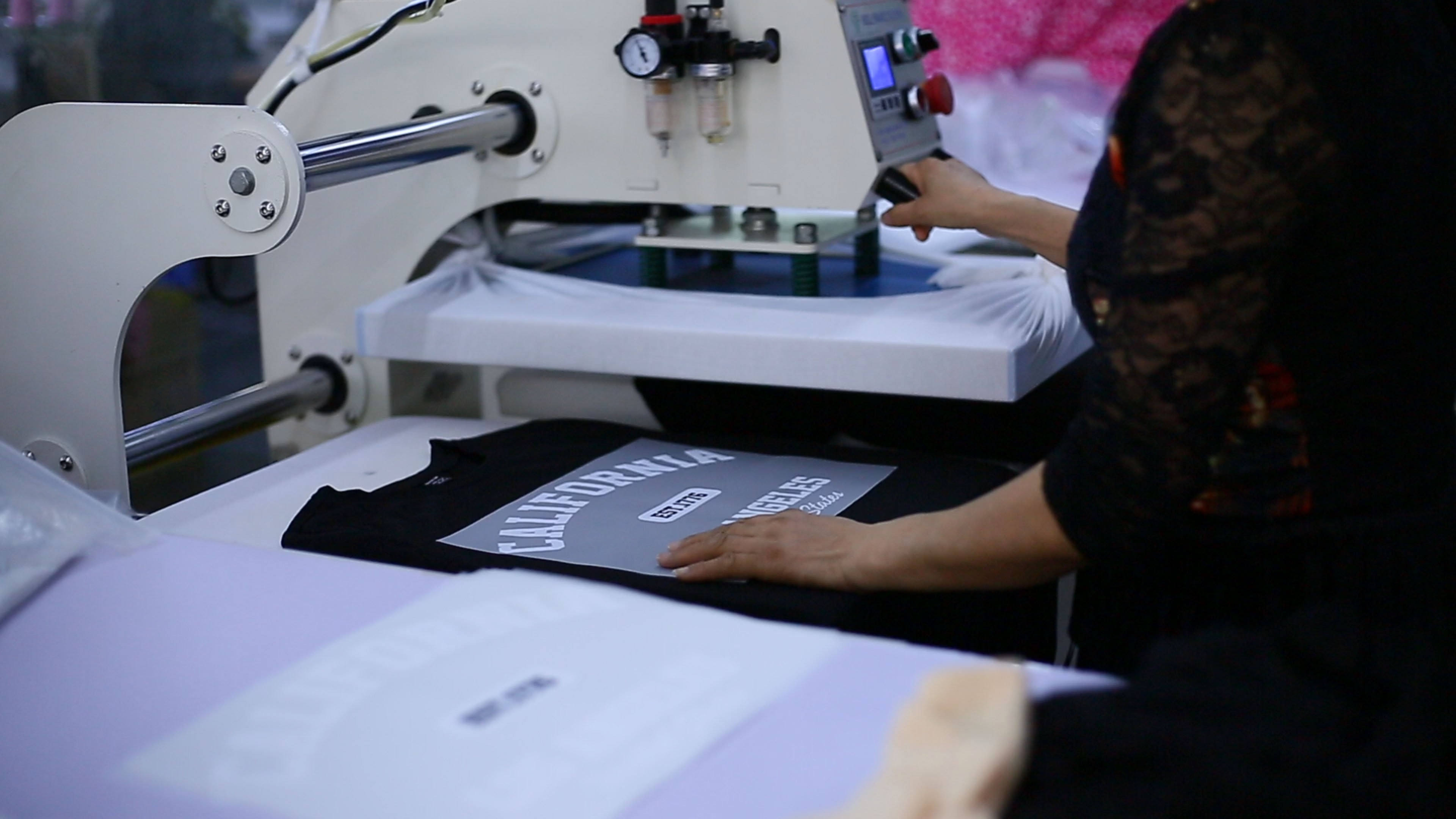
The choice between digital painting printing and manual hand painting centers on production scale, fabric drape, and artistic intent. Digital garment printing utilizes high-resolution inkjet printheads that deposit micro-droplets of water-based pigment directly into cotton fibers. This process preserves the original softness and breathable weight of heavyweight tees, making it ideal for complex multi-color artwork and photo-realistic gradients.
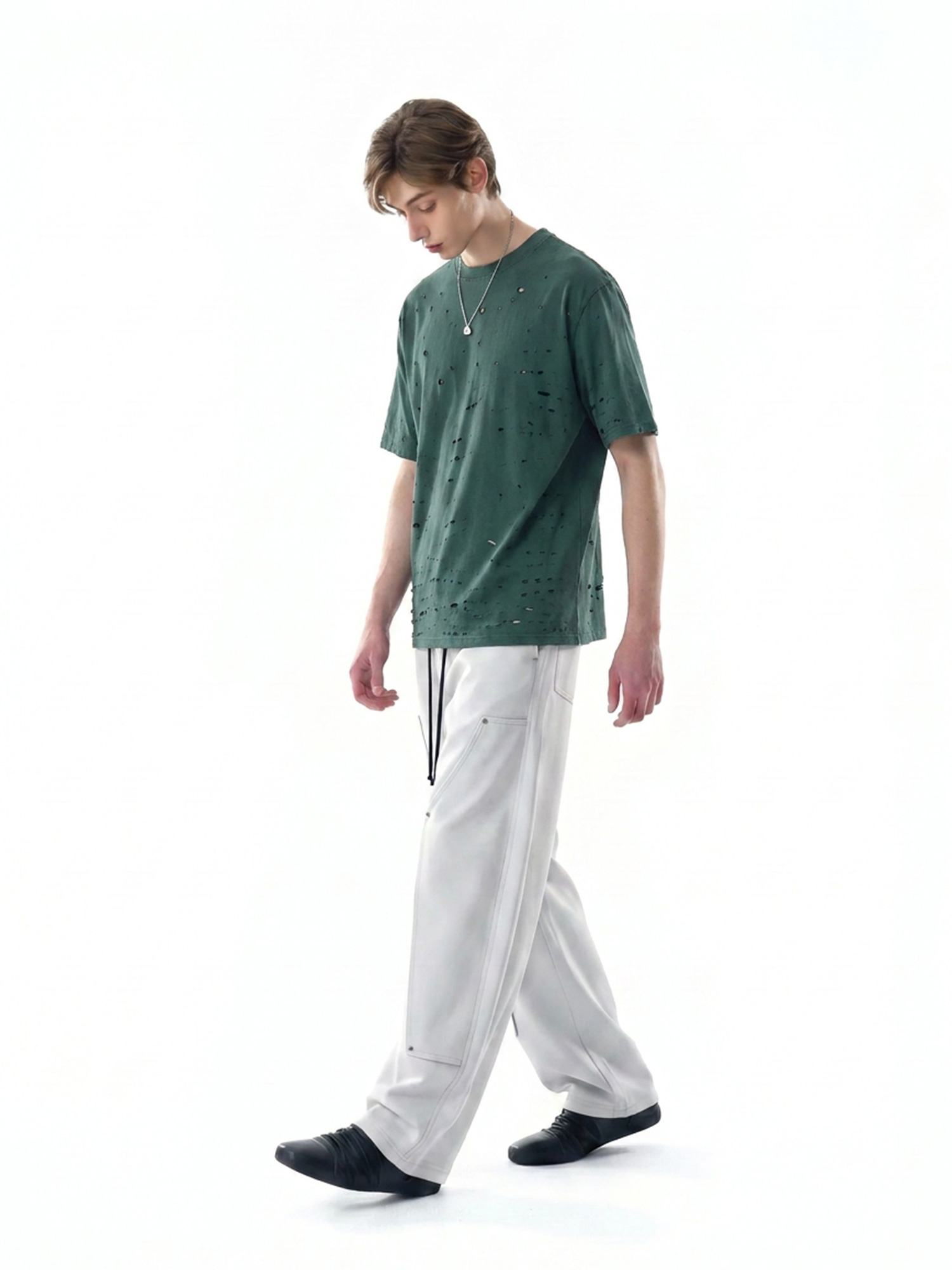
In contrast, authentic manual hand painting requires skilled artisans applying specialized fabric acrylics or textile paints directly onto the garment using brushes, sponges, or squeeze bottles. Every hand-painted piece exhibits slight structural variations, brushstroke textures, and localized paint thickness. While this manual process limits daily output, it generates significant value for independent designers and luxury streetwear labels targeting niche collectors who prioritize true one-of-one exclusivity.
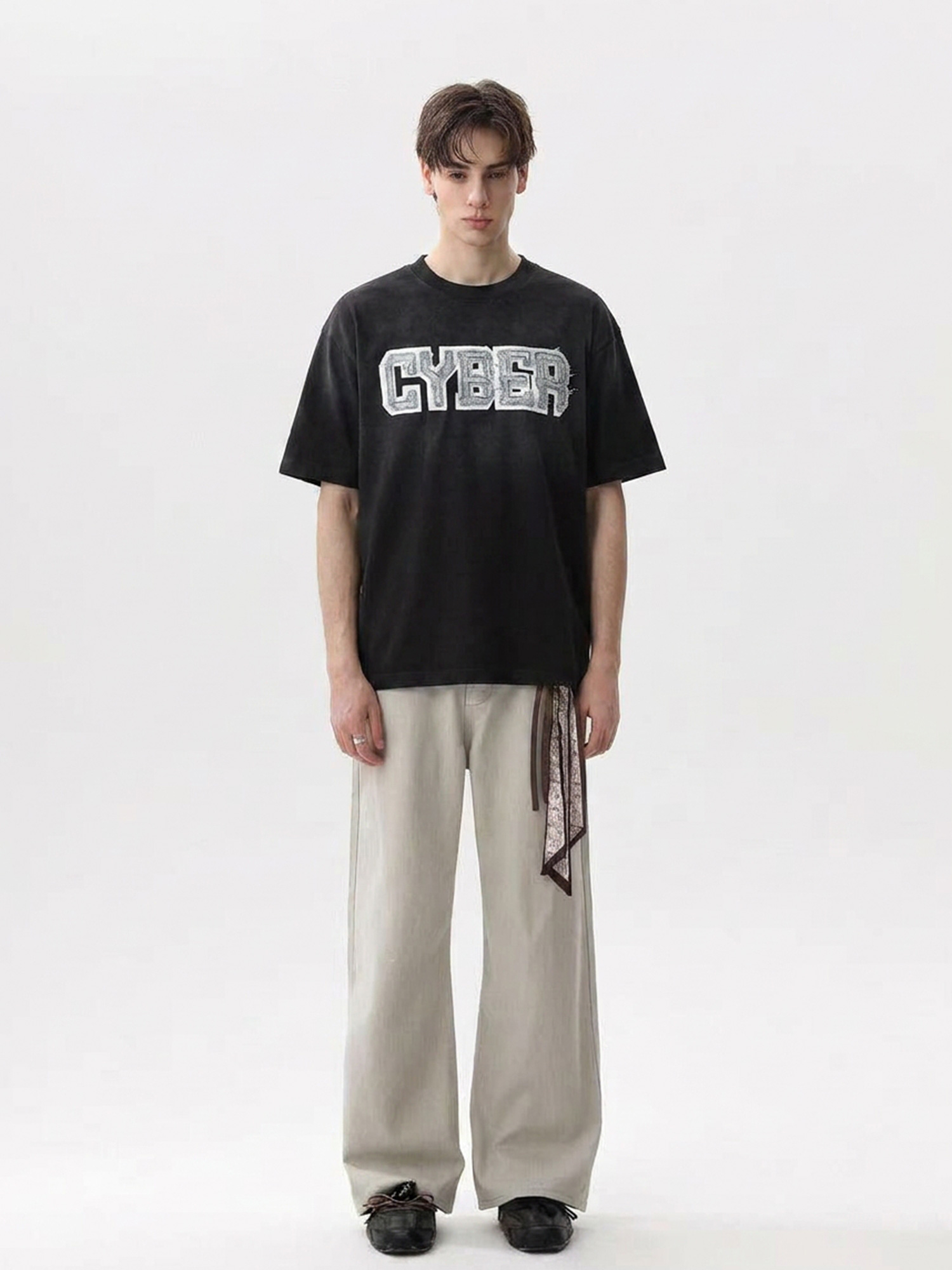
To meet evolving market demands, manufacturers like Dongguan City Dule Garment Co.,Ltd integrate digital printing capabilities alongside traditional wash and distressing effects. By applying vintage acid washes or puff accents over digitally printed bases, apparel brands achieve the distressed, handcrafted aesthetic of custom hand-painted garments while maintaining bulk consistency across orders ranging from 50 to over 1,000 pieces per SKU.
Commercial application data demonstrates this operational split. For instance, Vanguard Shop Co., an online retailer in the United Kingdom, manages private label development with 1,000 pieces per SKU across 24 scheduled drops per year. Utilizing digital printing within an OEM workflow enables rapid replenishment and consistent print fidelity, whereas manual painting techniques are reserved for low-volume promotional capsules.
Data/Solution Comparison
Selecting the appropriate decoration methodology requires balancing technical parameters against commercial targets. The table below outlines key operational differences between digital painting printing and manual hand painting.
| Parameter / Feature | Digital Painting Printing (DTG/Digital Pigment) | Authentic Manual Hand Painting |
|---|---|---|
| Production Speed | High (Ideal for 20–35 day bulk turnaround) | Low (Time-intensive, brushwork by hand) |
| Tactile Texture / Hand Feel | Soft, flat integration into fabric fibers | Textured, raised surface with visible brushwork |
| Piece-to-Piece Consistency | Identical output across entire production run | Unique variations on every individual garment |
| MOQ Feasibility | Flexible (50 pcs custom / 20 pcs blanks) | Best suited for 1-of-1 or ultra-low runs |
| Color Gradient Complexity | Unlimited photorealistic color shading | Dependent on manual blending skills |
| Unit Cost Scaling | Decreases significantly with higher volume | Remains high regardless of order volume |
Frequently Asked Questions (FAQ)
Can digital printing replicate the heavy texture of manual hand painting?
Standard digital printing penetrates fabric fibers directly, resulting in a soft hand-feel rather than a heavy raised texture. However, high-density digital techniques or combining digital bases with puff printing can simulate localized three-dimensional texture without requiring full manual application.
What is the minimum order quantity (MOQ) for custom printed apparel runs?
Custom manufacturing orders supporting specialized printing, vintage washing, and custom tech packs typically start at 50 pieces per style/color. Blank garment orders without custom modifications carry a lower minimum threshold of 20 pieces per style.
How do washing treatments like acid wash affect printed designs?
When applying post-wash processes such as acid wash or vintage distressing, digital prints bonded with reactive pigments resist fading and cracking. Manual paints require specialized thermal curing prior to washing to prevent pigment peel or premature fading.
Final Conclusion & Recommendations
Digital painting printing is expanding market capacity rather than eliminating traditional craft. Independent streetwear brands and commercial retailers benefit from utilizing digital printing for core collections requiring fast 20–35 day bulk production, consistent color replication, and scalable economics. Manual hand painting remains a powerful strategy for high-margin, limited-edition releases where hand-crafted uniqueness drives brand equity. Order logistics can be tailored using FOB Shenzhen terms for client-managed freight or DDP door-to-door shipping via sea freight or express courier service (DHL/FedEx/UPS), with payments processed through Bank Transfer or Alipay. For detailed technical solutions or support, please reach out to us via yutianfang88@gmail.com.
About Us
Dongguan City Dule Garment Co.,Ltd is an OEM/ODM apparel manufacturer established in 2007, operating with 200 employees across a 5,000 m² primary facility and dual-factory infrastructure totaling 15,000 m². The company maintains an annual production capacity of 1.2 million pieces, specializing in heavyweight hoodies, t-shirts, cargo pants, and streetwear denim for clients across North America, Europe, Australia, and Asia. Operating 50+ specialized machines, the facility supports complete in-house execution from sample development within 3–15 days to final AQL 2.5 quality control.

Lastest
-
How early should I order puff-print French terry hoodies for a seasonal launch?
2026-10-03 -
What fabric certificates should I request for 400gsm embroidered fleece hoodies?
2026-10-03 -
Can digital printing replace hand painting while keeping a premium artistic feel?
2026-10-03 -
Can I place a small test order for acid-wash distressed T-shirts at a fair price?
2026-10-03 -
Why is the MOQ higher for custom hand-painted long-sleeve T-shirt designs?
2026-10-03
SUBSCRIBE
INQUIRY