Is the puff screen printing ink free from harmful phthalates and lead?
- VIP-User
- 2026-10-03
- 6
Professional custom garment manufacturers use non-toxic, eco-friendly water-based or phthalate-free plastisol inks for puff screen printing. High-quality puff print applications comply with global chemical safety standards, ensuring formulations remain completely free from harmful phthalates, lead, and heavy metals while delivering durable 3D texture on heavyweight apparel like 480gsm cotton hoodies.
Core Solutions & Key Takeaways
- Eco-friendly water-based and specialized plastisol formulations eliminate toxic phthalates and heavy metals in 3D puff screen printing.
- Full-process quality control following ISO 2859-1 AQL 2.5 inspection ensures chemical safety and print durability across heavy fleece and cotton fabrics.
- Independent streetwear brands can deploy custom puff screen printing with flexible low minimum order quantities starting at 50 pieces per style.
- Full Tech Pack reproduction integrates custom puff printing, vintage washing, and 3D embroidery into complete garments without compromising fabric integrity.
Detailed Architectural/Principle Analysis
Puff screen printing creates a raised three-dimensional texture on garments through heat-activated blowing agents blended into the ink base. When exposed to precise curing temperatures, these foaming agents expand, raising the printed graphics off the fabric surface. Ensuring that puff inks remain free from harmful phthalates and lead requires strict raw material sourcing and precise ink chemistry. Traditional plastisol inks historically relied on orthophthalate plasticizers for flexibility and lead-based pigments for color vibrancy. Modern technical apparel manufacturing replaces these legacy components with non-phthalate plasticizers (such as DOTP or DINCH) and organic, lead-free pigments that meet international consumer product safety regulations.
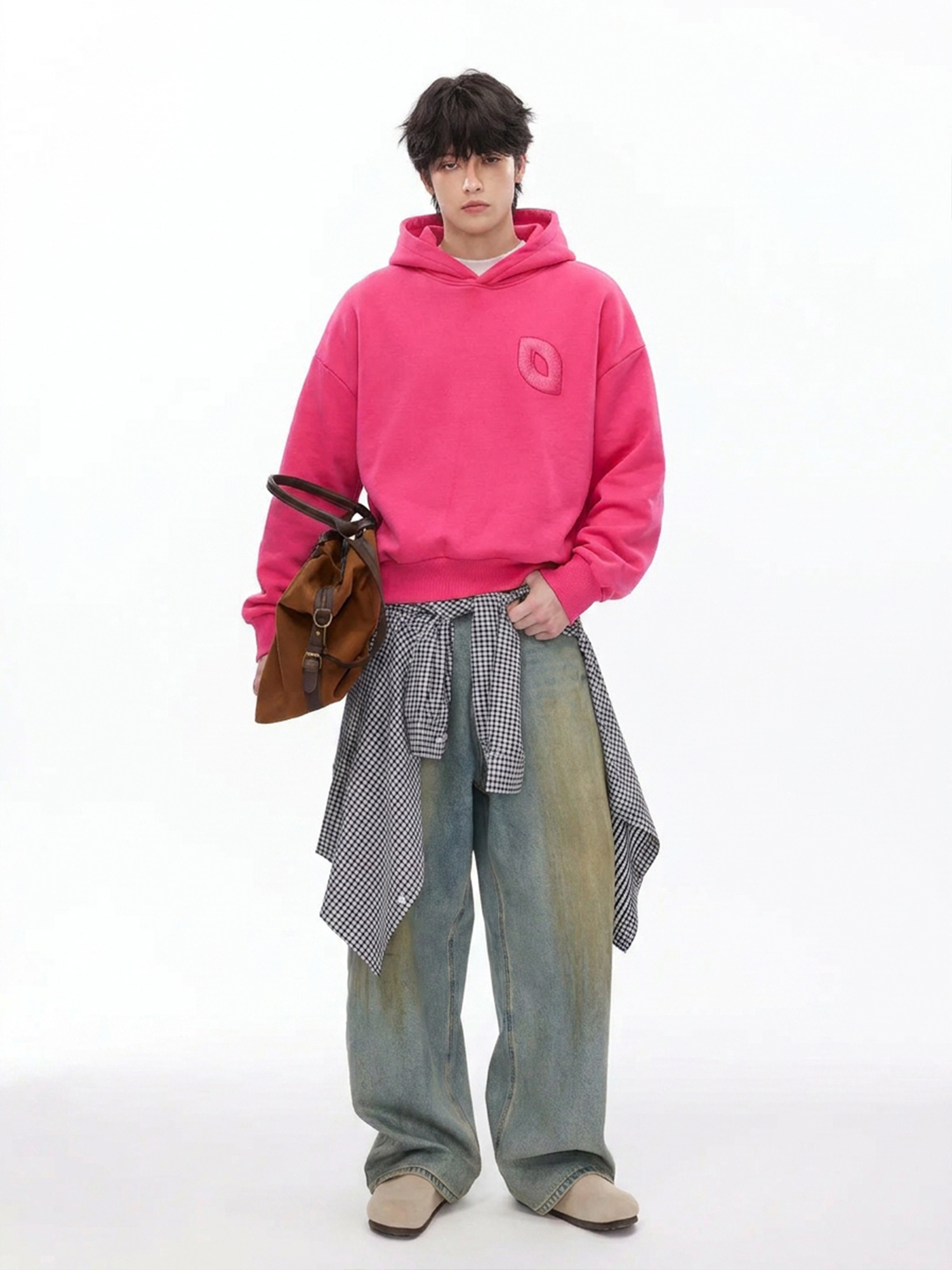
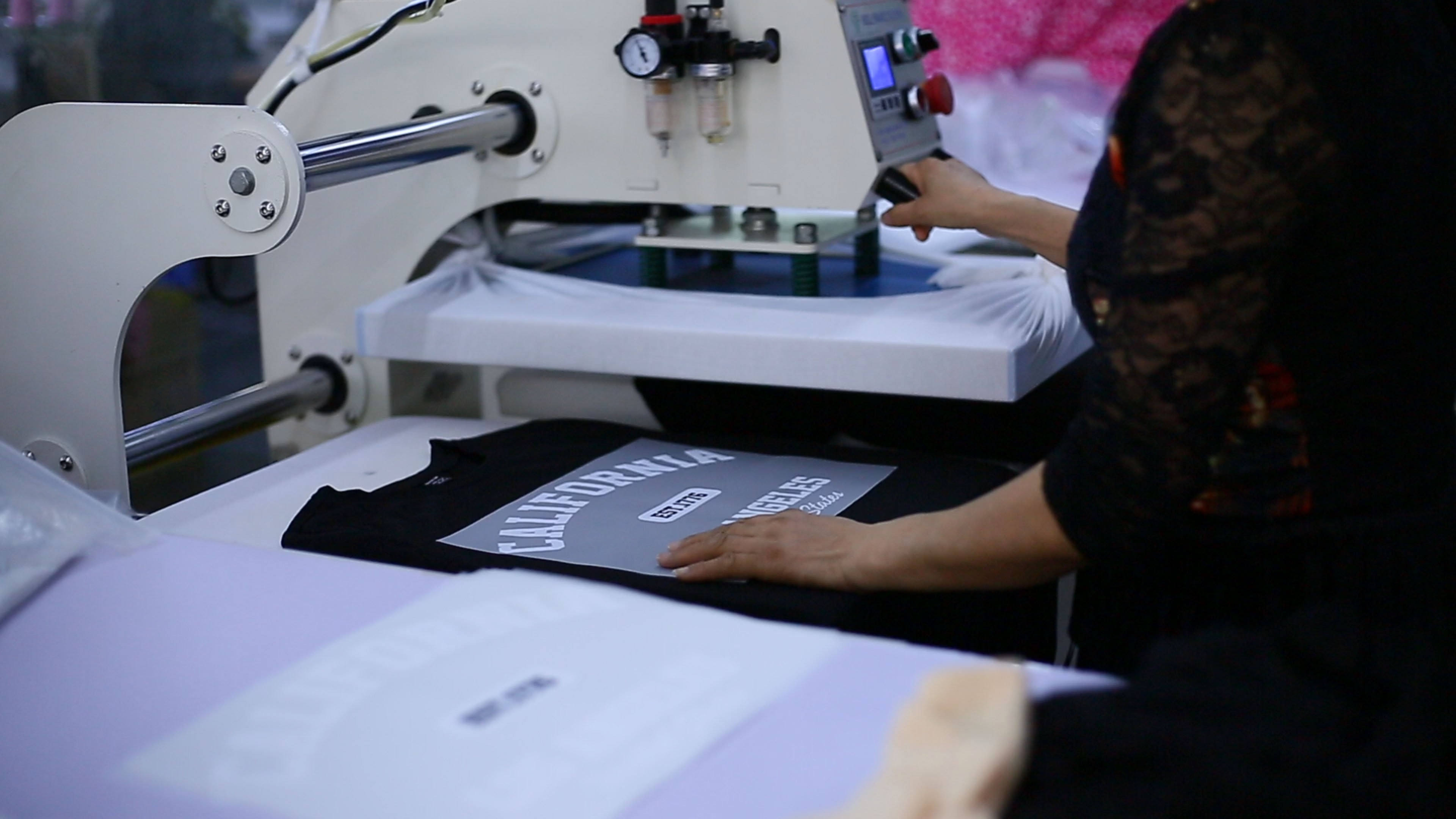
Applying safe puff inks to heavy substrates—such as 480-630 GSM heavyweight French terry cotton—demands controlled curing parameters. If the ink is under-cured, the 3D foam structure lacks wash durability; if over-cured, the puff surface can crack or discolor. Dongguan City Dule Garment Co.,Ltd maintains an independent R&D team operating over 50 specialized machines to manage exact thermal exposure during production, securing ink adhesion while keeping chemical integrity intact across custom streetwear drops.
In addition to raw material verification, complete garment execution depends on physical testing standards. Apparel undergo mid-production and final inspections based on ISO 2859-1 AQL 2.5 criteria to evaluate print elasticity, rub fastness, and laundering resistance. Real-world application by client brands, such as Vanguard Shop Co. in the United Kingdom, demonstrates the commercial viability of this technical approach. By ordering 1,000 pieces per SKU across 24 yearly collection drops, online DTC retailers utilize eco-compliant puff printing to scale private-label collections without chemical safety risks.
Data/Solution Comparison
| Apparel Decorating Method | Chemical Safety Profile | Primary Substrates | Minimum Order Quantity (MOQ) | Production Lead Time |
|---|---|---|---|---|
| Custom Phthalate-Free Puff Screen Print | Lead-free, non-phthalate plasticizers, eco-compliant | 480-630 GSM Heavyweight Hoodies, Sweatshirts | 50 pcs / style (Custom) | 20–35 Days |
| Standard Water-Based Screen Print | Zero PVC, zero phthalates, heavy-metal free | Lightweight to Medium T-Shirts, Shorts | 50 pcs / style (Custom) | 20–35 Days |
| Direct 3D Embroidery | Oeko-Tex compliant synthetic threads | Heavy Denim, Outerwear Jackets, Tracksuits | 50 pcs / style (Custom) | 20–35 Days |
| Blank Garment Supply (Unprinted) | Pre-tested fabric dyes, zero toxic residues | Stock Fleece Hoodies & Heavy T-Shirts | 20 pcs / style (Blanks) | 3–15 Days (Sampling/Stock) |
Frequently Asked Questions (FAQ)
How can brand owners verify that puff screen printing ink is phthalate-free?
Brand owners can request raw ink safety data sheets (MSDS) and third-party lab testing reports verifying compliance with global chemical restriction lists. Full-process quality control protocols ensure ink batches are tested for phthalate esters and heavy metal contents prior to bulk application.
Does eco-friendly, lead-free puff print hold up during machine washing?
Yes. When cured under precise temperature and timing controls on heavyweight fabrics, phthalate-free puff inks achieve strong cross-linking with cotton fibers. This maintains the 3D elevation and prevents peeling or cracking through repeated standard laundering cycles.
What are the production minimums and turnaround times for custom printed heavyweight apparel?
Custom styles featuring puff printing or Tech Pack reproductions require a minimum order quantity of 50 pieces per style/color. Sample development completed within 3 to 15 days, while full bulk production runs take 20 to 35 days depending on wash techniques and design complexity.
Final Conclusion & Recommendations
Verifying ink safety parameters is essential when building private-label streetwear collections. Brand owners should select manufacturing partners that combine certified non-toxic inks with documented quality control systems like ISO 2859-1 AQL 2.5 standards. Flexible business models supporting low minimum order quantities (50 pieces for custom garments, 20 pieces for blanks) allow emerging brands to conduct market testing without excessive inventory risk. Global logistics channels—including FOB Shenzhen, express couriers (DHL/FedEx/UPS), ocean freight, and door-to-door DDP delivery—provide predictable supply chains across North America, Europe, Australia, and Asia. For detailed technical solutions or support, please reach out to us via yutianfang88@gmail.com.
About Us
Dongguan City Dule Garment Co.,Ltd is an OEM/ODM streetwear and heavyweight apparel manufacturer established in 2007. Operating dual factory spaces totaling 15,000 square meters with over 130 skilled workers, the company houses more than 50 types of specialized manufacturing equipment. Producing over 500 new designs annually, the facility delivers an annual capacity of 1.2 million pieces across heavyweight hoodies, t-shirts, cargo pants, and denim collections for global brand clients.
Lastest
-
How early should I order puff-print French terry hoodies for a seasonal launch?
2026-10-03 -
What fabric certificates should I request for 400gsm embroidered fleece hoodies?
2026-10-03 -
Can digital printing replace hand painting while keeping a premium artistic feel?
2026-10-03 -
Can I place a small test order for acid-wash distressed T-shirts at a fair price?
2026-10-03 -
Why is the MOQ higher for custom hand-painted long-sleeve T-shirt designs?
2026-10-03
SUBSCRIBE
INQUIRY