What is the cost comparison between screen printing and DTG on heavy tees?
- VIP-User
- 2026-10-01
- 8
Direct-to-Garment (DTG) printing offers lower upfront costs for small production runs under 50 to 100 units because it requires no screen setup fees. Traditional screen printing becomes significantly more cost-effective for bulk orders exceeding 100 pieces due to low per-unit ink and labor expenses, despite high initial screen creation fees. On heavy cotton tees, heavy fabric pretreatments slightly increase DTG print costs per garment.
Core Solutions & Key Takeaways
- Low-Volume Efficiency: DTG printing requires zero setup fees, making it the most economical choice for short runs, limited drops, or sample orders under 50 pieces.
- High-Volume Economies of Scale: Screen printing features higher fixed preparation costs but drops drastically in per-unit expense once production exceeds 100 to 500 units.
- Heavyweight Fabric Pretreatments: Printing DTG on heavy cotton apparel demands thicker pretreatments and white ink underbases, adding extra digital ink and processing costs per garment compared to lightweight fabrics.
- Production Flexibility: Independent designer brands and streetwear labels leveraging small-batch manufacturing benefit from flexible minimum order quantities, balancing initial custom development with fast reorder capabilities.
Detailed Architectural/Principle Analysis
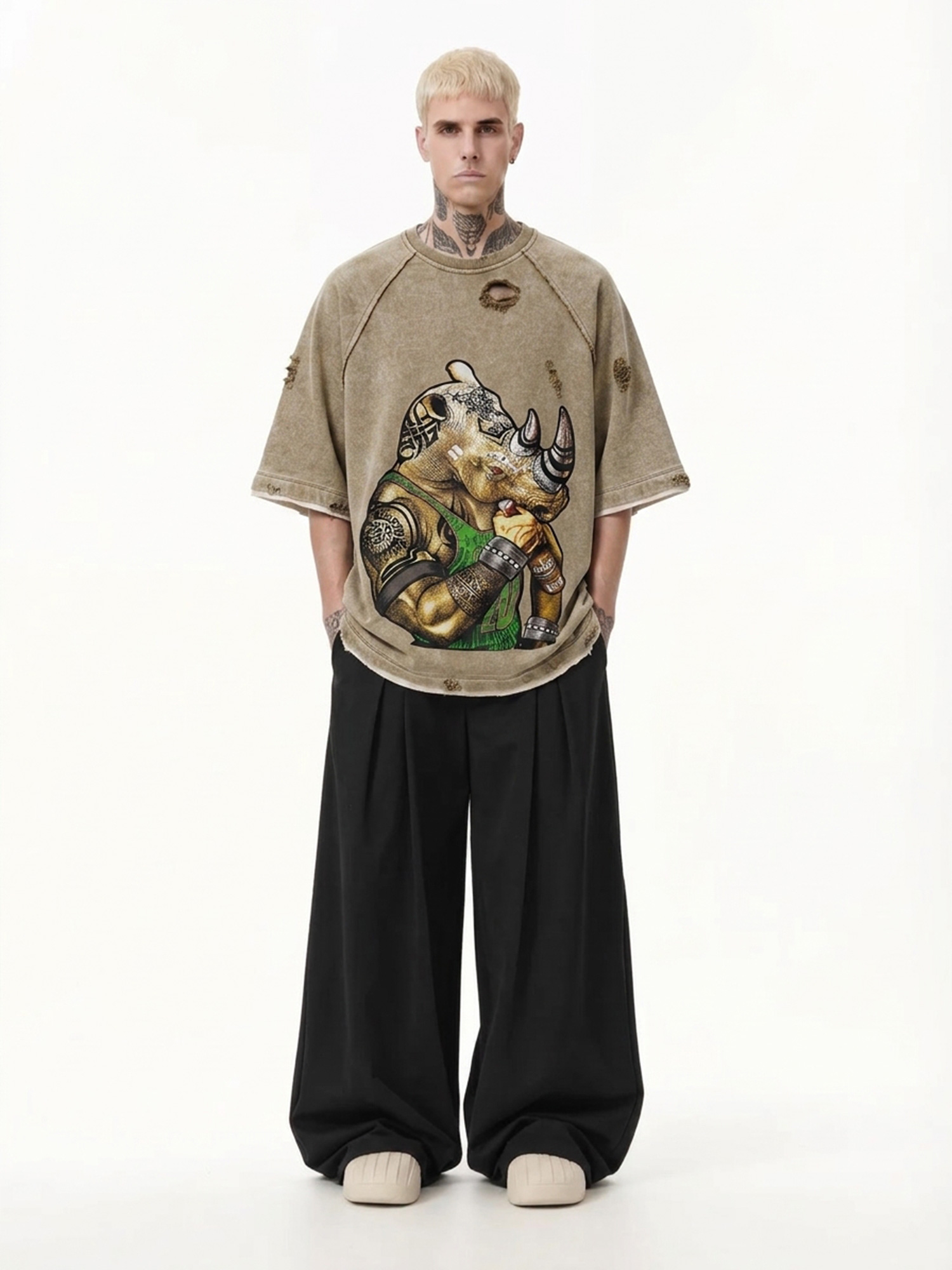
The cost structure of screen printing versus Direct-to-Garment (DTG) on heavyweight cotton t-shirts, such as oversized drop-shoulder garments, depends heavily on fixed tooling costs, color counts, and fabric preparation requirements. Screen printing relies on physical mesh stencils (screens) for each distinct color in a design. A five-color graphic requires five separate screens, generating upfront setup charges that range from $20 to $50 per screen. However, once screens are exposed and mounted on automated equipment, the marginal cost per print is exceptionally low. For heavyweight streetwear apparel like heavy cotton tees, screen printing delivers high opacity and vibrant color saturation using durable plastisol or high-solids discharge inks, maintaining low per-unit pricing across large production runs.
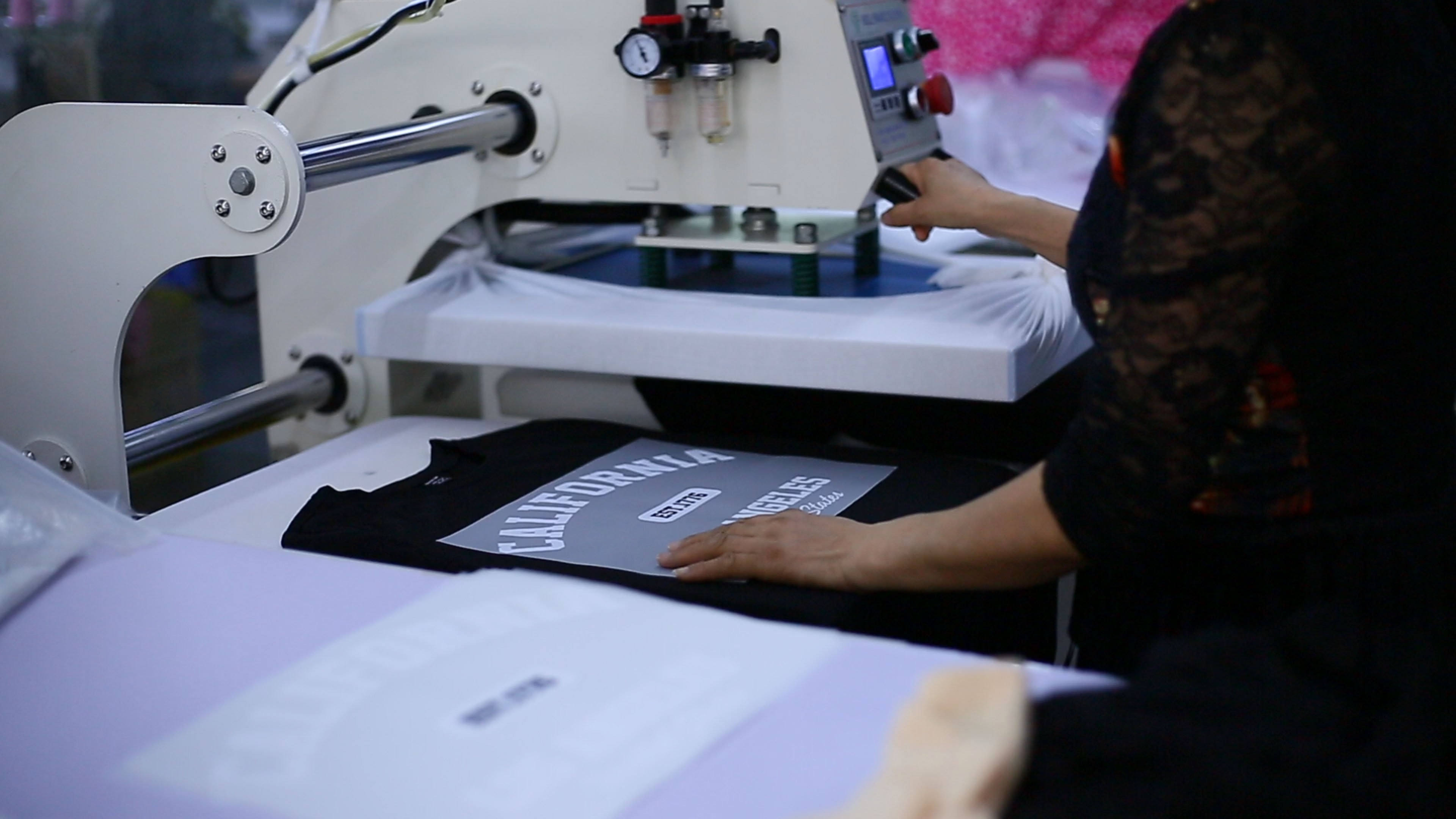
Conversely, DTG printing functions like an industrial inkjet printer, spraying aqueous pigmented inks directly onto fabric fibers without physical stencils. This eliminates screen setup fees entirely. However, heavyweight cotton fabrics absorb liquid inks deeply into dense fibers. Achieving crisp visual detail and accurate color reproduction on dark or heavy cotton requires intensive chemical pretreatment and a double-pass white ink underbase. This higher consumption of specialty digital ink keeps the per-unit cost constant regardless of order volume. Consequently, DTG remains cost-efficient for sample development and low-volume orders below 50 pieces, while screen printing dominates production runs where setup costs are amortized over larger quantities.
Real-world application scenarios demonstrate this economic transition clearly. Emerging streetwear labels and DTC online retailers, such as UK-based Vanguard Shop Co., frequently utilize small-batch OEM and ODM manufacturing models to validate market demand. By establishing a custom style minimum order quantity of 50 pieces per style/color or utilizing blank garment MOQs of 20 pieces, brands minimize initial capital exposure while retaining access to high-grade custom techniques including puff print, vintage wash, and 3D embroidery alongside standard screen or DTG printing.
Data/Solution Comparison
| Cost & Performance Factor | Screen Printing | Direct-to-Garment (DTG) |
|---|---|---|
| Initial Setup Cost | High ($20–$50 per color screen) | Zero setup cost |
| Per-Unit Cost (1–20 units) | High (Setup cost dilutes poorly) | Low to Moderate (Fixed digital ink rate) |
| Per-Unit Cost (100+ units) | Low (Significant economies of scale) | Moderate to High (No bulk ink discounts) |
| Impact of Color Count | Cost increases with each additional color | No cost change for full-color/photographic prints |
| Heavy Cotton Fabric Suitability | Excellent opacity with plastisol/discharge ink | Requires heavy pretreatment & white ink base |
| Sample & Bulk Lead Times | Setup requires 2–5 days; bulk fast after setup | Instant print setup; samples delivered in 3–15 days |
Frequently Asked Questions (FAQ)
At what order quantity does screen printing become cheaper than DTG on heavy tees?
The breakeven point typically occurs between 50 and 100 units for multi-color prints. Below 50 pieces, DTG is usually cheaper due to zero setup fees. Above 100 pieces, screen printing provides lower overall costs because fixed screen setup expenses are divided across many units, and per-piece ink costs are lower.
Why is DTG printing on heavyweight cotton garments more expensive than on lightweight tees?
Heavyweight fabrics require extra pretreatment liquid and denser layers of white ink underbase to prevent the ink from sinking deep into the dense yarn structure. This added fluid and extended heat-curing cycle increase raw material usage and processing time per garment.
Which printing method is recommended for full-color artwork or detailed photos on custom streetwear?
DTG is cost-effective for complex photographic images or unlimited color gradients on short production runs. Screen printing can replicate detailed artwork using simulated process printing, but this requires 6 to 10 screens, making it cost-prohibitive unless ordering in large bulk quantities exceeding 300 to 500 pieces.
Final Conclusion & Recommendations
Selecting between screen printing and DTG printing depends on production volume, graphic color complexity, and budget strategy. For initial design validation, limited drops, or orders under 50 pieces, DTG avoids upfront setup costs. For orders exceeding 100 pieces or styles featuring simplified color palettes, screen printing offers superior long-term cost efficiency and color saturation on heavy cotton tees. Supporting OEM/ODM customization, private label manufacturing, flexible shipping terms including FOB Shenzhen or DDP Door-to-Door, and express sample turnarounds allows brands to optimize production workflows seamlessly. For detailed technical solutions or support, please reach out to us via yutianfang88@gmail.com.
About Us
Dongguan City Dule Garment Co.,Ltd (DOLUXE) is a professional OEM/ODM streetwear and heavyweight apparel manufacturer established in 2007, headquartered in Humen Town, Dongguan, Guangdong. Operating two factories totaling 15,000 square meters with an annual production capacity of 1.2 million pieces, the company houses over 200 employees and develops more than 500 new designs annually. DOLUXE specializes in 480-630 GSM heavyweight hoodies, t-shirts, sweatshirts, and streetwear denim, serving over 200 brands across 30+ countries worldwide.
Lastest
-
How early should I order puff-print French terry hoodies for a seasonal launch?
2026-10-01 -
What fabric certificates should I request for 400gsm embroidered fleece hoodies?
2026-10-01 -
Can digital printing replace hand painting while keeping a premium artistic feel?
2026-10-01 -
Can I place a small test order for acid-wash distressed T-shirts at a fair price?
2026-10-01 -
Why is the MOQ higher for custom hand-painted long-sleeve T-shirt designs?
2026-10-01
SUBSCRIBE
INQUIRY