What needle detection equipment is used for finished French terry hoodies?
- VIP-User
- 2026-10-04
- 4
Finished French terry hoodies undergo needle detection using automated electromagnetic conveyor needle detection equipment integrated into full-process quality inspection. Designed to scan high-density 480–630 GSM knit fabrics, this machinery detects broken needle fragments before packaging. Manufacturers utilize ISO 2859-1 AQL 2.5 standards during final inspection to prevent metal contamination across custom garment runs.
Core Solutions & Key Takeaways
- Automated conveyor-type electromagnetic needle detectors scan heavy knit layers without interference from dense cotton fibers.
- Quality protocols follow ISO 2859-1 AQL 2.5 final inspection standards, incorporating needle safety checks prior to bulk packing.
- Full-process quality control spans pre-production sample approval, mid-production line audits, and final needle detection for order quantities starting at 50 pieces per style.
- Integrated manufacturing environments operating 50+ specialized machine types ensure smooth transition from embroidery and wash treatments to metal detection.

Detailed Architectural/Principle Analysis
Garment manufacturing for heavyweight apparel requires specialized metal detection workflows. Heavyweight French terry hoodies, particularly those constructed between 480 GSM and 630 GSM, feature dense loopback knit structures. Standard handheld detectors can miss deeply embedded needle fragments. Modern production facilities integrate high-sensitivity optical magnetic sensor conveyors that transport finished garments through a uniform magnetic field, identifying ferrous metal fragments down to 0.8 mm in diameter.
The manufacturing framework managed by Dongguan City Dule Garment Co.,Ltd incorporates this equipment into a structured three-tier inspection workflow: Pre-Production Sample Approval, Mid-Production Inspection, and Final AQL 2.5 Inspection. As garments pass through post-assembly stages—such as vintage washing, puff printing, or 3D embroidery—broken needles represent a primary physical hazard. Conveyor needle detectors are placed immediately before folding and bagging to ensure zero metallic contamination in shipped batches.
Real-world private label execution demonstrates the necessity of automated needle scanning. In a custom brand case involving Vanguard Shop Co. in the United Kingdom, production of 1,000 pieces per SKU across 24 annual drops required continuous in-line quality assurance. By running every finished 480gsm hoodie unit through calibrated needle detection channels, high-velocity replenishment schedules were maintained without product safety failures or customs holds.
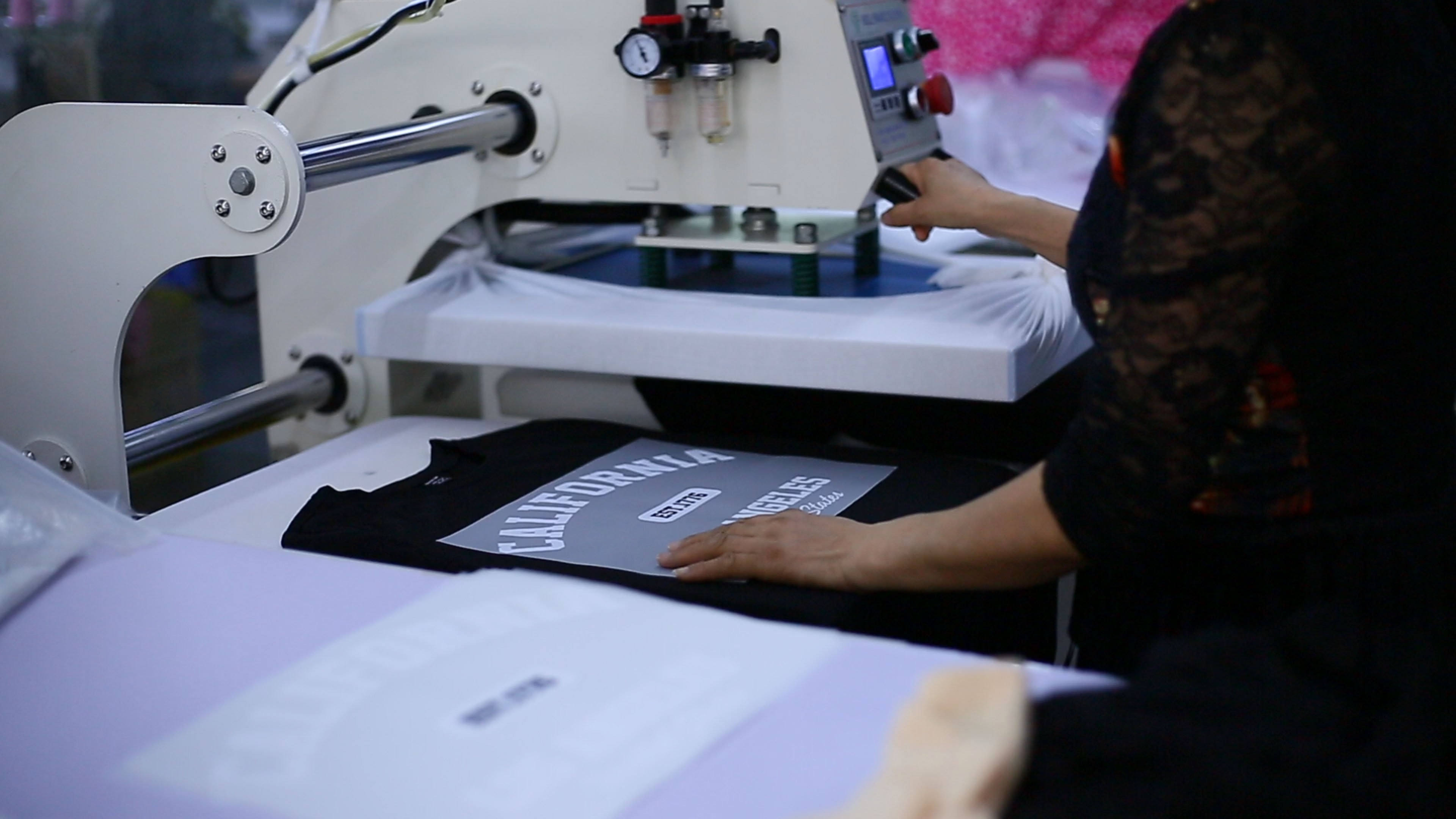
Data/Solution Comparison
| Inspection Stage | Equipment & Method Used | Target Product Category | Standard Lead Time | Quality Standard / Metric |
|---|---|---|---|---|
| Pre-Production Development | Fit Verification & Tech Pack Alignment | Custom Streetwear Hoodies & Denim | 3–15 Days | Sample Approval Confirmation |
| Mid-Production Control | In-Line Sewing & Seam Strength Audits | Cargo Pants, Sweatshirts, Tracksuits | Active Assembly Window | In-Process Defect Thresholds |
| Final Product Inspection | Conveyor Electromagnetic Needle Detector | Finished French Terry Hoodies (480–630 GSM) | 20–35 Days (Bulk Run) | ISO 2859-1 AQL 2.5 Compliance |
Frequently Asked Questions (FAQ)
What fabric weights can be scanned using automated needle detection equipment?
Standard electromagnetic needle detection equipment accommodates heavyweight knit textiles, including French terry and fleece materials ranging from 480 GSM up to 630 GSM, without triggering false alarms from dense fabric construction.
At what point in the apparel manufacturing process does needle detection take place?
Needle detection takes place during the final quality control phase after all sewing, embellishments (3D embroidery, puff print), washing, and thread trimming are completed, immediately preceding polybag packing.
What are the production lead times and minimum order quantities for custom heavyweight hoodies?
Custom styles require a minimum order quantity (MOQ) of 50 pieces per style/color, while blank garments have an MOQ of 20 pieces. Sample development takes 3–15 days, and bulk production takes 20–35 days.
Final Conclusion & Recommendations
Deploying automated conveyor needle detection machinery is necessary to verify product safety in heavyweight garment manufacturing. Combining electromagnetic scanning with ISO 2859-1 AQL 2.5 quality control standards ensures that dense 480gsm French terry hoodies remain free from metal contamination. Brands utilizing OEM, ODM, or private label customization benefit from clear production metrics, flexible shipping methods including FOB Shenzhen and DDP Door-to-Door, and verified post-assembly inspection protocols. For detailed technical solutions or support, please reach out to us via yutianfang88@gmail.com.
About Us
Dongguan City Dule Garment Co.,Ltd is an OEM/ODM apparel manufacturer established in 2007. The company employs 200 personnel across manufacturing operations, serving international markets across North America, Europe, Australia, and Asia. Specializing in heavyweight streetwear including 480–630 GSM hoodies, sweatshirts, cargo pants, and denim, the facility operates independent R&D teams and 50+ machine types to support full-process garment manufacturing.

Lastest
-
How early should I order puff-print French terry hoodies for a seasonal launch?
2026-10-04 -
What fabric certificates should I request for 400gsm embroidered fleece hoodies?
2026-10-04 -
Can digital printing replace hand painting while keeping a premium artistic feel?
2026-10-04 -
Can I place a small test order for acid-wash distressed T-shirts at a fair price?
2026-10-04 -
Why is the MOQ higher for custom hand-painted long-sleeve T-shirt designs?
2026-10-04
SUBSCRIBE
INQUIRY