What temperature is used for applying rubber transfer patches on hoodies?
- VIP-User
- 2026-10-05
- 6
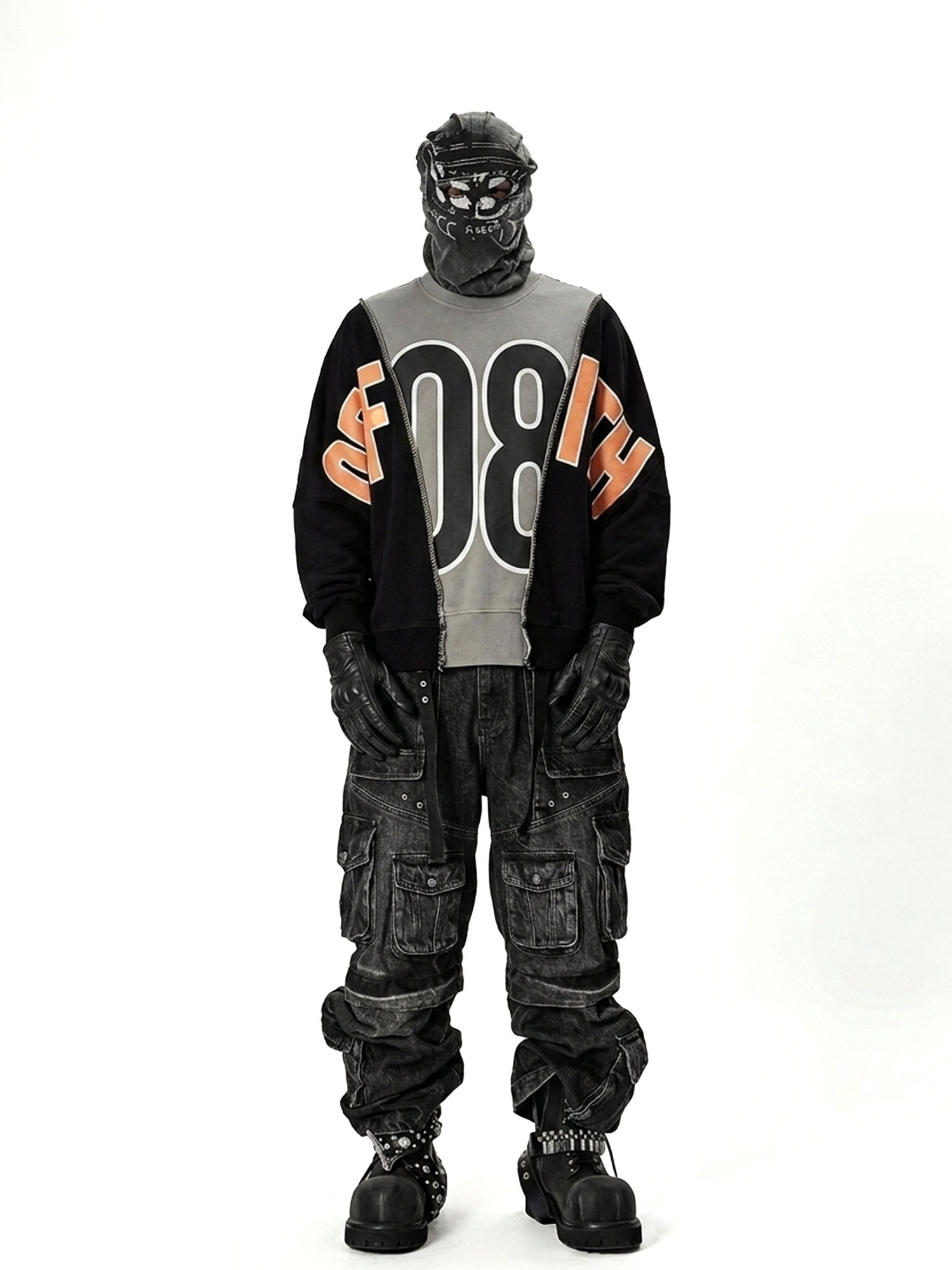
Applying rubber transfer patches on hoodies requires a heat press temperature range of 150°C to 165°C (302°F to 330°F). The application process demands medium to heavy pressure (4 to 5 bar) for 12 to 15 seconds to ensure complete adhesive melting into heavyweight cotton fleece fibers without scorch marks or rubber distortion.
Core Solutions & Key Takeaways
- Optimal Temperature Window: Maintaining 150°C–165°C prevents premature silicone or TPU rubber degradation while activating the hot-melt adhesive backing layer.
- Pressure Calibration: High-density heavyweight hoodies (480–630 GSM) require 4.0 to 5.0 bar of pneumatic pressure to push the molten adhesive deep into dense fleece knits.
- Dwell Time Precision: A standard press cycle of 12 to 15 seconds ensures complete heat penetration through 3D rubber transfer patches without thermal shrinking.
- Target Application Scenarios: Ideal for independent designers, DTC streetwear brand owners, and private label drops requiring durable logo branding on heavy apparel.
Detailed Architectural/Principle Analysis
Achieving structural adhesion when pressing thick rubber transfer patches onto heavy streetwear garments depends on thermocompression mechanics. Thermal transfer rubber patches—often composed of soft PVC, silicone, or molded TPU—exhibit higher thermal mass than thin vinyl films. Consequently, heating elements must deliver uniform thermal transfer through both the silicone carrier substrate and the rubber body down to the polyurethanic adhesive layer.
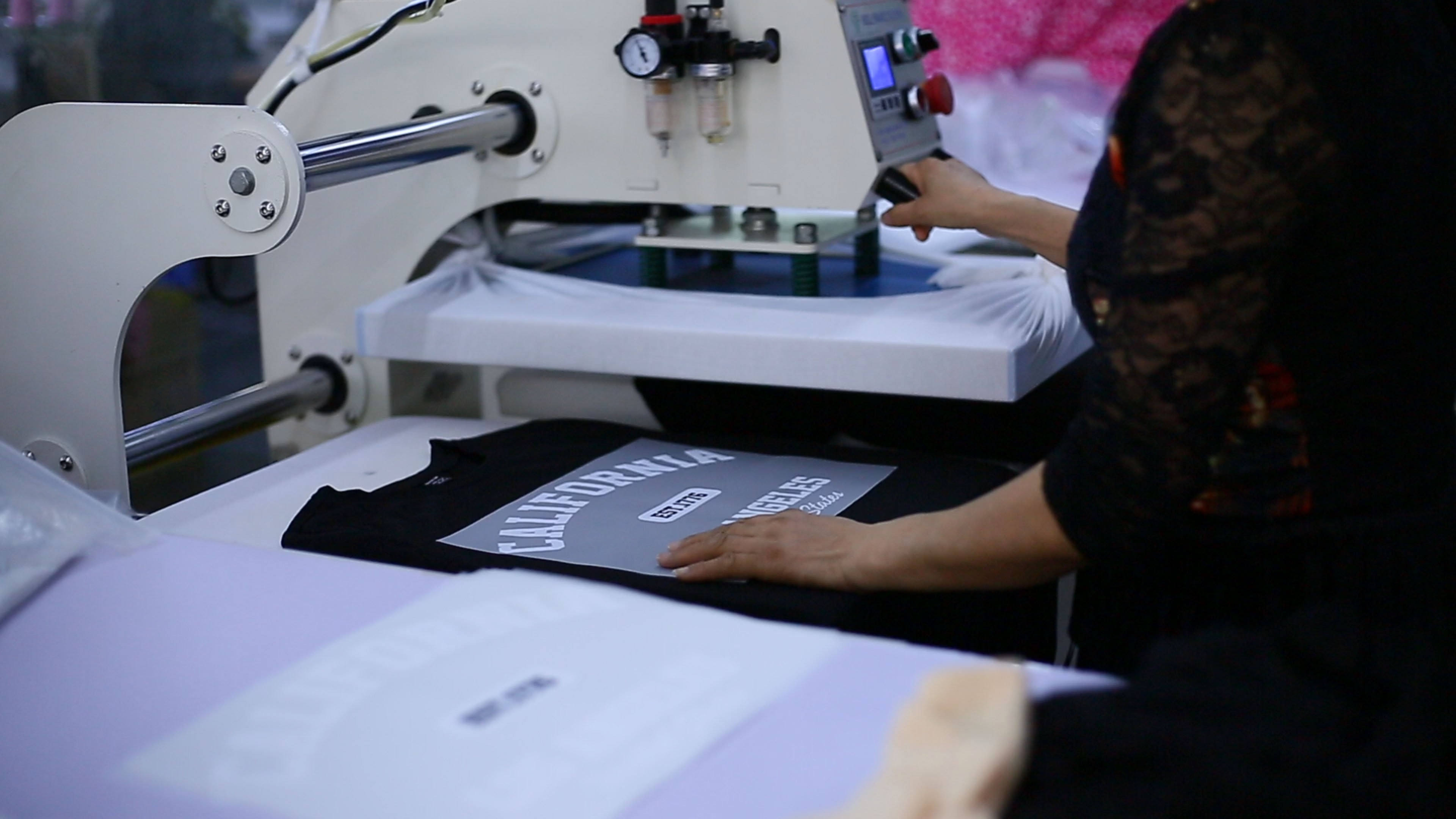
During garment manufacturing at Dongguan City Dule Garment Co.,Ltd, operating across 15,000 square meters of production space with 50+ specialized machines, thermal transfer execution follows strict heat and pressure curves. Heavyweight cotton fleece fabric ranging from 480 to 630 GSM contains dense yarns that require pre-pressing for 3 to 5 seconds to eliminate residual moisture and surface wrinkles before patch placement.

Excessive temperature above 170°C damages the elasticity of rubber transfer patches, leading to gloss shifts, surface bubbling, or perimeter adhesive bleed. Conversely, temperatures below 145°C cause insufficient cross-linking of the adhesive layer, resulting in edge peeling after wash cycles. In practical private label production runs, such as the ongoing 1,000 pcs per SKU program for Vanguard Shop Co., precise heat transfer settings ensure wash fastness standard compliance through repeated industrial wash tests.
Data/Solution Comparison
Different heat transfer patch types require customized temperature, pressure, and time parameters when applied to heavy cotton apparel.
| Patch Material Type | Temperature Range | Pressing Time | Required Pressure | Peel Method |
|---|---|---|---|---|
| Molded Rubber / TPU Patch | 150°C – 165°C (302°F – 330°F) | 12 – 15 seconds | Medium-High (4.0 – 5.0 bar) | Cold Peel |
| Puff Print Transfer | 155°C – 165°C (311°F – 330°F) | 10 – 12 seconds | Medium (3.0 – 4.0 bar) | Warm Peel |
| Standard Flat Vinyl (HTV) | 140°C – 150°C (284°F – 302°F) | 8 – 10 seconds | Low-Medium (2.5 – 3.5 bar) | Hot / Warm Peel |
| High-Density 3D Silicone | 155°C – 170°C (311°F – 338°F) | 15 – 18 seconds | High (4.5 – 5.5 bar) | Cold Peel |
Frequently Asked Questions (FAQ)
Why is cold peel required for rubber transfer patches on hoodies?
Cold peeling allows the hot-melt polyurethane adhesive and the rubber substrate to cool and solidify completely, locking the bond into the cotton fleece fibers without tearing the patch edges during film removal.
How do fabric weight and thickness alter heat press settings?
Heavyweight fabrics (480–630 GSM) absorb more heat during contact. Higher platen pressure (4 to 5 bar) is necessary to flatten the heavy fleece fibers so heat transfers directly to the adhesive without extending exposure time, which could burn the fabric.
Should a protective Teflon sheet be placed over rubber transfer patches?
Yes, placing a Teflon sheet or greaseproof parchment paper between the heating platen and the rubber transfer patch prevents direct platen scorch and protects the carrier film from melting.
Final Conclusion & Recommendations
Standardizing heat press operations at 150°C to 165°C with 4 to 5 bar pressure ensures durable, retail-ready rubber transfer patch applications on custom streetwear hoodies. For custom styles starting from a 50-piece minimum order quantity, establishing strict pre-press moisture removal and cold-peel protocols protects both garment integrity and graphic crispness. Bulk production orders shipped via FOB Shenzhen or DDP Door-to-Door benefit from full-process quality control under ISO 2859-1 AQL 2.5 standards to guarantee wash fastness across international markets. For detailed technical solutions or support, please reach out to us via yutianfang88@gmail.com.
About Us
Dongguan City Dule Garment Co.,Ltd (DOLUXE) is a professional OEM/ODM streetwear apparel manufacturer established in 2007, operating two factories totaling 15,000 square meters with 200 employees. The company develops over 500 new designs annually and operates 50+ types of specialized equipment to achieve full-process garment manufacturing in-house with an annual capacity of 1.2 million pieces. Serving over 200 brands across 30+ countries, DOLUXE has executed custom private label projects across overseas retail and DTC channels.

Lastest
-
How early should I order puff-print French terry hoodies for a seasonal launch?
2026-10-05 -
What fabric certificates should I request for 400gsm embroidered fleece hoodies?
2026-10-05 -
Can digital printing replace hand painting while keeping a premium artistic feel?
2026-10-05 -
Can I place a small test order for acid-wash distressed T-shirts at a fair price?
2026-10-05 -
Why is the MOQ higher for custom hand-painted long-sleeve T-shirt designs?
2026-10-05
SUBSCRIBE
INQUIRY